Linen vs wool is one of the most useful comparisons for anyone choosing between cool breathability and natural warmth. If the decision is about summer comfort, winter insulation, bedding, everyday clothing, or easier care, the differences matter more than the labels.
In simple terms, linen usually suits heat, airflow, and that lighter dry feel many people want in warm weather. Wool usually suits colder conditions, better insulation, and a softer, more protective feel when warmth is the priority.
This guide compares the two in real-life situations first, then goes deeper into comfort, care, bedding, clothing, and fabric behavior so the choice feels practical rather than abstract.
For readers who want to understand where linen comes from before comparing finished fabrics, this page connects naturally with our guides on flax, linen, and textile fiber use.
Linen vs Wool at a Glance
Most people do not need a long explanation first. They want to know which fabric makes more sense for the way they live, sleep, and dress. This quick view gives the clearest starting point.
Choose Linen If You Want
- a cooler fabric for spring and summer
- more airflow and less trapped heat
- bedding that feels drier and lighter
- a naturally relaxed and airy texture
- a fabric closely tied to flax-based textiles
Choose Wool If You Want
- better warmth in cold weather
- more insulation in sweaters and outer layers
- a fuller and often softer feel
- better structure and fewer wrinkles
- more winter-focused bedding and blankets
The Main Differences Between Linen and Wool
The real difference between linen and wool comes down to comfort, climate, appearance, and how the fabric behaves over time. Both are natural fibers, but they solve different problems.
Breathability
Linen is usually the more breathable option. It releases heat faster and tends to feel fresher when the weather is warm or the room runs hot.
Warmth
Wool is usually better at trapping warmth close to the body. That makes it the stronger option for colder climates, winter clothing, and insulating layers.
Feel and Texture
Linen often feels drier, crisper, and more open. Wool usually feels fuller, softer, and more padded, especially in finer varieties.
Wrinkling and Shape
Linen wrinkles more easily and carries a more relaxed look. Wool usually keeps its structure better and tends to look tidier for longer.
Seasonal Comfort
Linen is often preferred for hot weather. Wool is often preferred for cooler weather and spaces where warmth matters more than airflow.
Typical Use
Linen suits warm-weather shirts, dresses, bedding, and relaxed tailoring. Wool suits sweaters, coats, scarves, suiting, blankets, and cold-weather layers.
Linen vs Wool for Clothing and Weather
Clothing is where this comparison becomes easiest to feel in real life. If the fabric is touching your skin all day, weather matters immediately.
Linen for Warm Days
If you are comparing linen vs wool for summer, linen is usually the easier answer. It feels lighter, cooler, and more breathable in shirts, dresses, relaxed tailoring, and everyday warm-weather clothing.
Wool for Colder Days
If the question is linen vs wool for winter, wool usually makes more sense. It is better suited to knitwear, coats, scarves, and clothing that needs to hold warmth rather than release it.
Linen or Wool for Suits
Linen gives a summer suit a cooler, more relaxed finish. Wool usually gives a suit a neater, more structured appearance and works better when the temperature drops.
Everyday Wear
If the question is simply linen or wool, climate usually gives the answer. Warm conditions lean toward linen. Colder conditions and stronger layering needs usually lean toward wool.
Linen vs Wool for Bedding
This is one of the most practical questions on the page. Linen vs wool for bedding depends mainly on whether you sleep warm or cold.
Linen Bedding
Linen bedding is usually the better fit for warm sleepers, humid climates, and anyone who prefers a cooler, drier, more breathable feel on the bed.
Wool Layers
Wool usually makes more sense in blankets, duvets, toppers, or colder-bedroom layering where insulation matters more than a cool-touch feel.
How Linen and Wool Are Made
Both fabrics are natural, but they come from very different sources and go through very different production paths.
How Linen Is Made
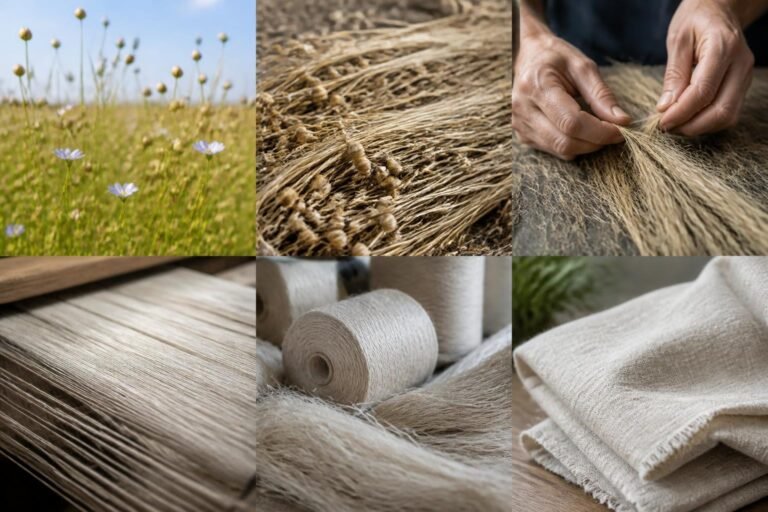
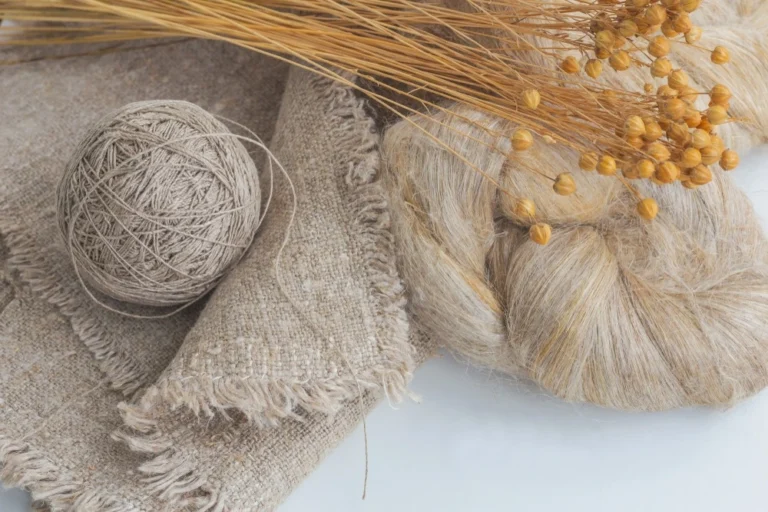
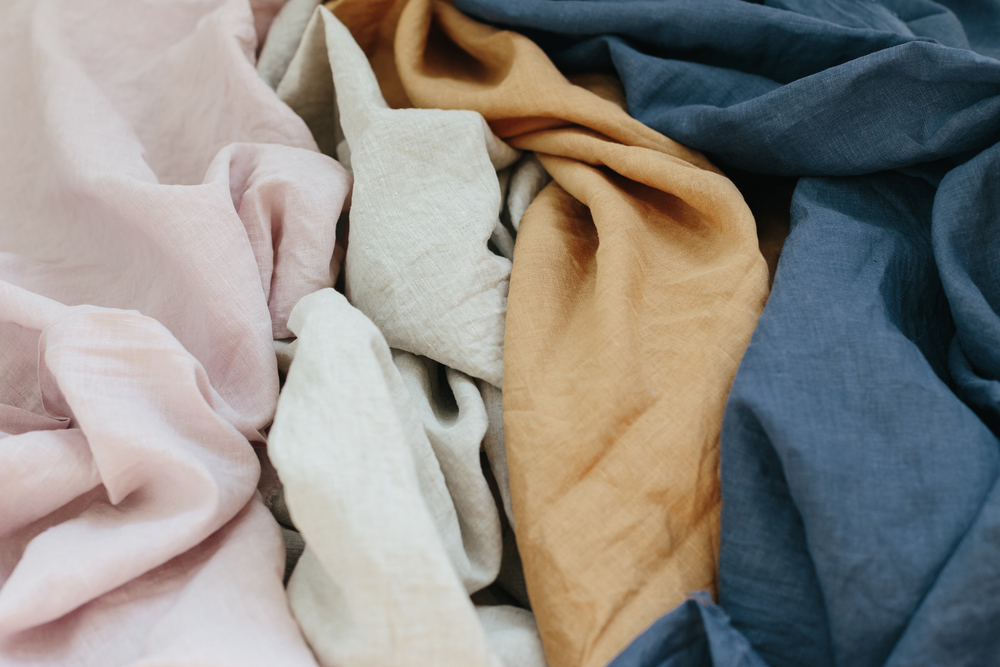
Linen comes from the flax plant. The process usually moves through harvesting, retting, cleaning, combing, spinning, and weaving. For more depth on the fiber side, see flax fiber for textile and flax fiber raw material.
How Wool Is Made
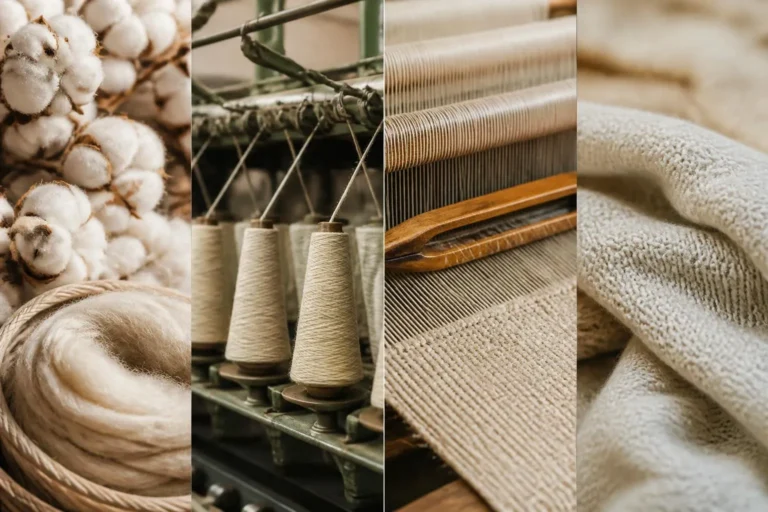
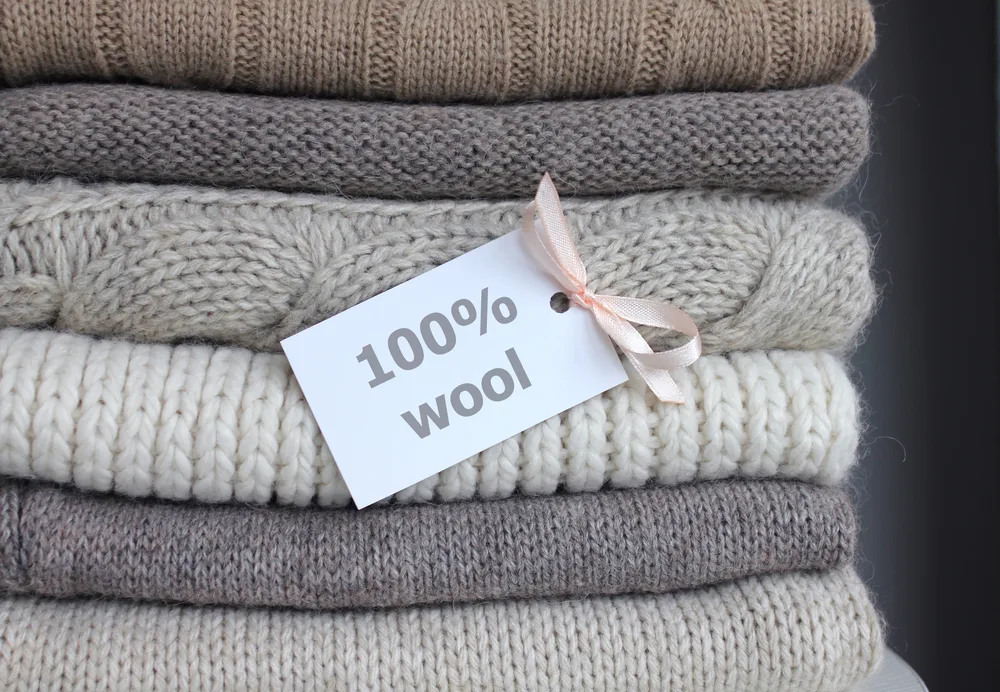
Wool comes from animal fleece and usually passes through shearing, cleaning, carding, spinning, and weaving or knitting. Finer varieties such as merino can change the softness and feel of the final fabric.
Pros and Cons of Linen vs Wool
No useful comparison works without the trade-offs. The better fabric depends on the job, the climate, and the feel you want.
Pros of Linen
- very breathable in warm weather
- naturally airy and relaxed in appearance
- often excellent for warm-climate bedding and clothing
- closely connected to flax-based natural textiles
Cons of Linen
- wrinkles more easily
- can feel crisp at first
- does not provide the same winter warmth as wool
Pros of Wool
- better natural insulation
- often softer in many premium grades
- usually keeps shape better
- stronger for winter and cooler-climate comfort
Cons of Wool
- can feel too warm in hot weather
- often needs gentler care
- some wool types can irritate sensitive skin
Care and Maintenance
Good care changes the long-term experience of both fabrics. For many people, this ends up being part of the final decision.
Linen Care
- usually easier to wash on a gentle cycle
- benefits from mild detergent and lower heat
- often gets softer with wear and washing
Wool Care
- usually needs colder, gentler washing
- should not be handled roughly when wet
- often benefits from flat drying and extra caution
Linen vs Merino Wool
This deserves its own space because it is not the same comparison as linen versus standard wool. Merino usually feels finer and softer than coarser wool.
Merino Wool
Merino is usually softer against the skin and can feel more forgiving for people who dislike the rougher feel sometimes associated with wool.
Linen
Linen still tends to win when the goal is cooling comfort, a drier feel, and fabric that works better in hot weather rather than cold-weather layering.
Frequently Asked Questions
Which is better for summer, linen or wool?
Which is better for winter, linen or wool?
Does linen wrinkle more than wool?
Is merino wool softer than linen?
Is linen better than wool for bedding?
Does wool attract more moth-related damage than linen?
What should I read next?
Need Help Choosing the Right Linen-Based Path?
If your reading is moving from fabric comparison to actual product direction, fiber sourcing, or a more specific question about flax-based materials, the next step is simple. Tell us what you are comparing or trying to make, and we can point you in the right direction.
Further Reading
For readers who want a broader background on both materials, these two references are a useful place to continue.