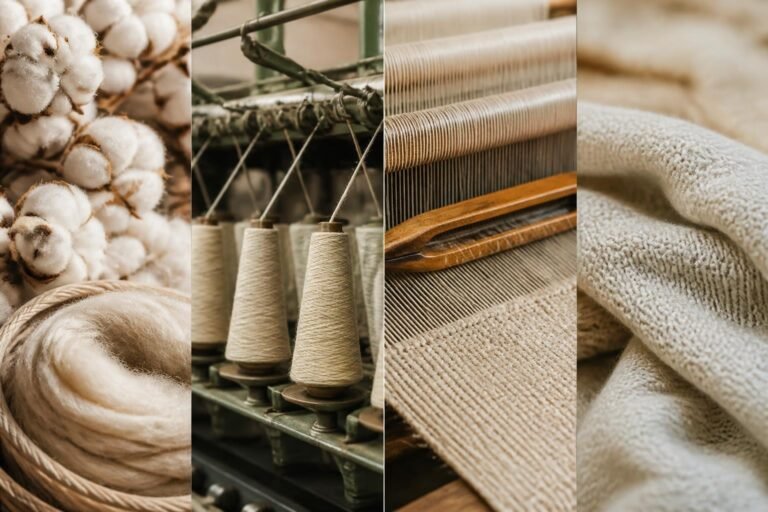
Yarns and fabrics are not separate buying decisions. The yarn count, twist, fiber blend, spinning method, and fabric construction work together to define strength, handle, breathability, stability, and long-term product value.
This guide helps textile mills, importers, workshops, sourcing teams, and product developers understand how fiber becomes yarn, how yarn becomes fabric, how yarns and fabrics behave together, and how to specify the right material before ordering samples or bulk production.
Why yarn decisions control fabric results
Yarns and fabrics are linked by mechanics. A fabric is only as consistent as the yarns used to build it. In yarns and fabrics sourcing, fiber length, spinning quality, ply structure, twist direction, moisture behavior, finishing, and packing all influence how the final textile performs in weaving, knitting, sewing, washing, packaging, and industrial handling.
For buyers, this means the right question is not only “What is the price per kilogram?” A better question is: what yarn structure, fiber content, count range, finishing option, and delivery format will produce the fabric behavior required by the application?
How yarn structure changes strength, feel, and use
The structure of yarns and fabrics begins before weaving or knitting. In yarns and fabrics development, single yarn, ply yarn, cord yarn, and novelty yarn each answer a different technical need, from soft textile surfaces to durable industrial tying and heavy-duty fabric reinforcement.
Single yarns
Single yarns are formed from fibers or filaments held together as one strand. They are useful when the target fabric needs softness, lightness, flexibility, or a simple economical construction.
Ply yarns
Ply yarns combine two or more single yarns. This structure improves balance, roundness, tensile behavior, and repeatability for fabrics that need stronger construction.
Cord yarns
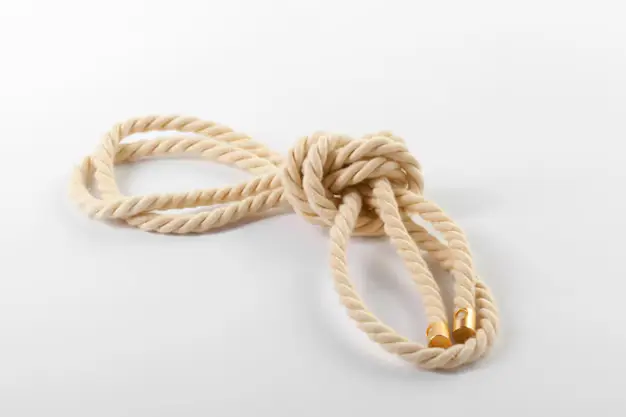
Cord yarns are made by twisting plied yarns together. They suit twine, rope, upholstery, packaging, and technical uses where higher strength and controlled elongation matter.
Novelty yarns
Novelty yarns introduce texture, irregularity, or special appearance. They are more relevant for decorative fabric effects than for stable industrial specification work.
Natural fiber yarns
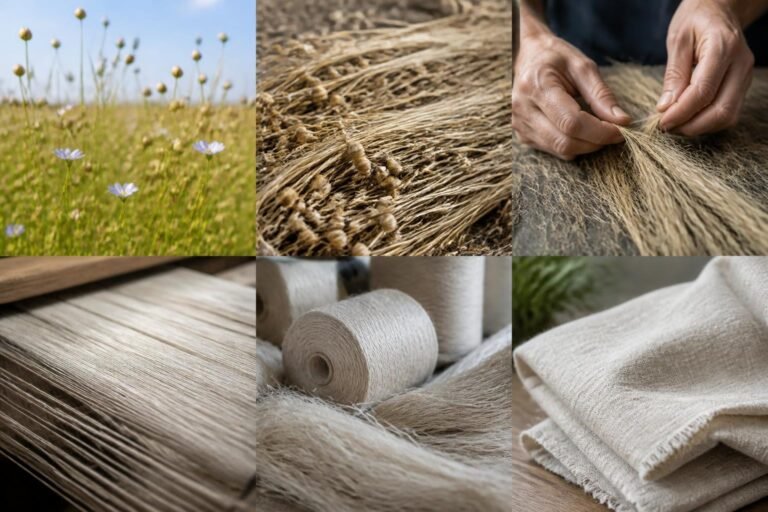
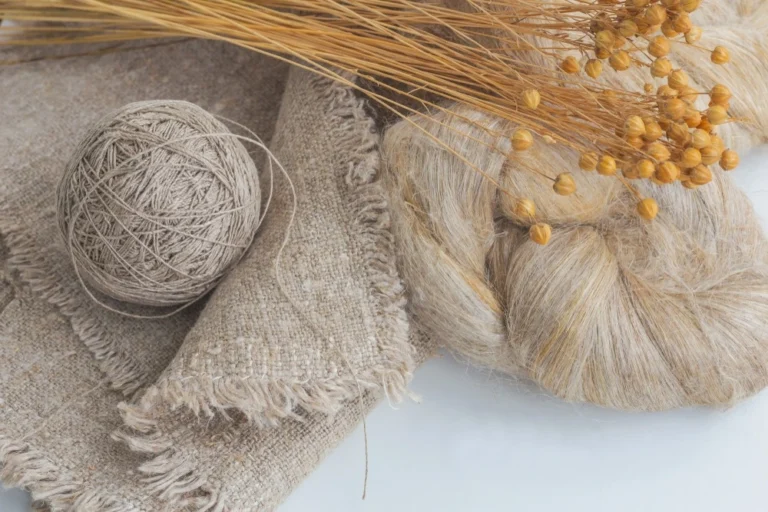
Linen, flax, hemp, cotton, and blends can support breathable, sustainable, premium, and application-specific textile projects when the count and finishing are selected carefully.
Synthetic yarns
Polypropylene and other synthetic yarns are selected when moisture resistance, outdoor durability, lightweight strength, and cost efficiency are more important than natural hand feel.
From yarn to fabric: weaving, knitting, and performance
When yarns and fabrics are planned together, the buyer can predict how yarns and fabrics will work together and whether a textile will feel soft, remain stable, resist abrasion, hold tension, accept finishing, or perform under industrial handling.
Woven fabrics
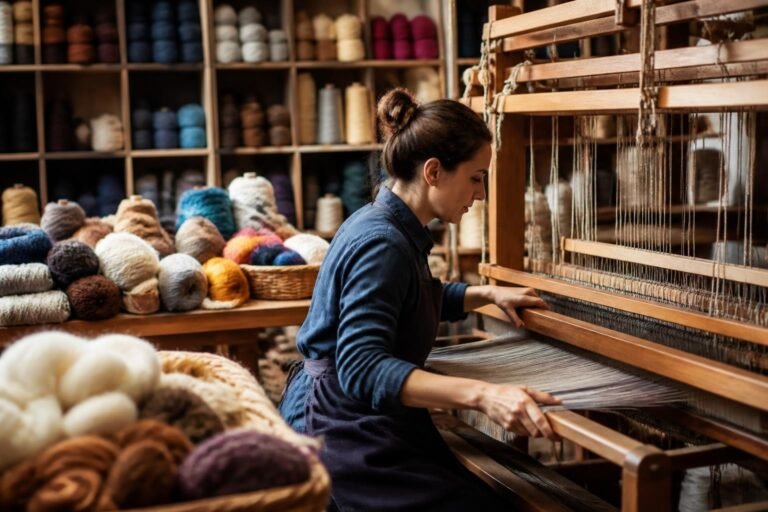
Woven fabrics are built by interlacing warp and weft yarns. Plain, twill, and satin structures change surface, drape, tightness, and durability. Warp yarns often need stronger twist and stability because they run under tension during weaving.
Knitted fabrics
Knitted fabrics are formed by interlocking loops. They provide stretch, flexibility, and comfort, but they demand careful yarn selection to control pilling, dimensional change, elasticity, and surface consistency.
Technical fabrics
Technical textiles require targeted specifications such as tensile strength, elongation, UV resistance, biological stability, chemical compatibility, and consistent lot-to-lot performance.
Decorative fabrics
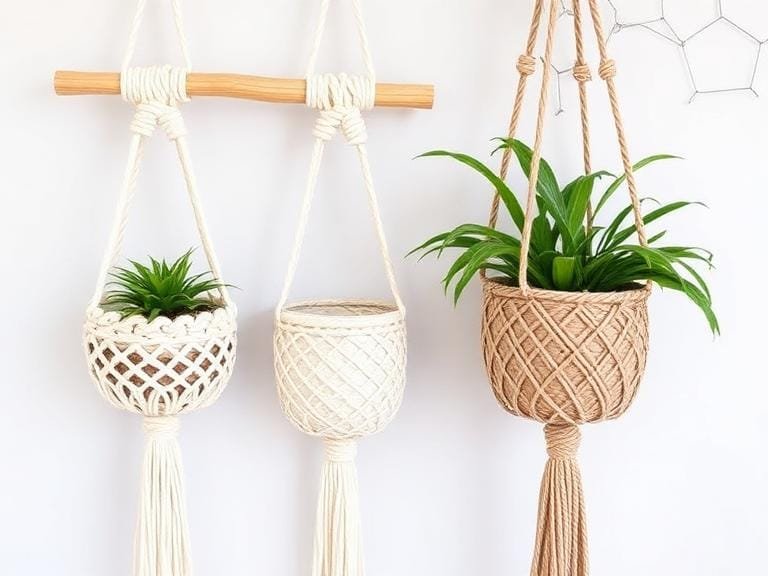
Decorative textiles may prioritize color, texture, luster, and hand feel. The yarn can be natural, blended, polished, dyed, or twisted to create a clear visual identity.
What buyers should specify before ordering yarns and fabrics
A clear specification for yarns and fabrics protects both the buyer and the manufacturer. It reduces misunderstandings, avoids unsuitable samples, and creates a reliable reference for repeat orders.
Choosing the right material for the right application
Yarns and fabrics for apparel, upholstery, food-safe tying, agriculture, packaging, craft, and plumbing do not share the same technical priorities. The fastest way to reduce sourcing risk is to match the material to the use case before discussing price.
El Nawawy supplies natural fiber yarns, twines, flax fiber, plumbing sliver, butcher twine, and polypropylene raffia products through dedicated product pages.
- Wet spun linen yarn for weaving, knitting, upholstery, home textiles, and premium textile projects.
- Flax fiber raw material for textile spinning, specialty paper, composites, and bio-based applications.
- Premium butcher’s twine for food-safe tying, roasting, curing, smoking, and professional kitchens.
- Polypropylene raffia strings for agriculture, baling, packaging, produce tying, and industrial bundling.
- Plumbers’ hemp sliver for threaded pipe sealing when used with suitable jointing compound.
A practical sourcing checklist for textile professionals
Use this checklist before sending an inquiry about yarns and fabrics or any yarns and fabrics sample project. It helps our team guide you toward the right product family, sample route, and shipment option.
Define the end use
Tell us whether the material is for weaving, knitting, tying, packaging, food use, agriculture, craft, upholstery, plumbing, or resale.
Share the target specification
Send count, ply, color, weight, package form, tensile target, sample reference, or photos of the current material.
Select a shipment path
Air shipments can start from one 20 kg carton. LCL is practical from 100 kg to 2 tons. FCL is more suitable for bulk and wholesale buyers.
External and internal resources for deeper checking
Questions buyers ask about yarns and fabrics
What is the relationship between yarns and fabrics?
Yarns are the continuous strands used to create fabrics. Their fiber content, count, twist, ply structure, and finishing influence fabric strength, texture, drape, stability, and performance.
Which yarn structure is best for strong industrial fabric?
Ply yarns and cord yarns are usually stronger and more stable than basic single yarns. The right choice depends on the target fabric construction, tensile requirement, elongation limit, and operating conditions.
Can one supplier support both yarn and fabric-related development?
A yarn manufacturer can support fabric development by helping define yarn count, twist, ply, material choice, package form, and finishing. Final fabric testing should still be done under the buyer’s actual weaving, knitting, or application conditions.
How should I request a sample from El Nawawy?
Send the target use, yarn count or sample photo, required fiber, color, package format, quantity, and delivery destination to info@elnawawycompany.com or WhatsApp +20 101 666 3424.
Need help choosing the right yarn before fabric production?
Send your application, sample photo, target count, color, packaging preference, and destination. Our team will guide you toward the most suitable El Nawawy product page and shipment route.