Natural textile guide
Flax fabrics: properties, uses and sourcing clarity
Flax fabrics are valued because they combine breathable comfort, natural strength and a calm, premium texture. This guide explains how flax becomes linen fabric, where it performs best, and what professional buyers should check before choosing a supplier or production route.
Material behavior
What makes flax fabrics different?
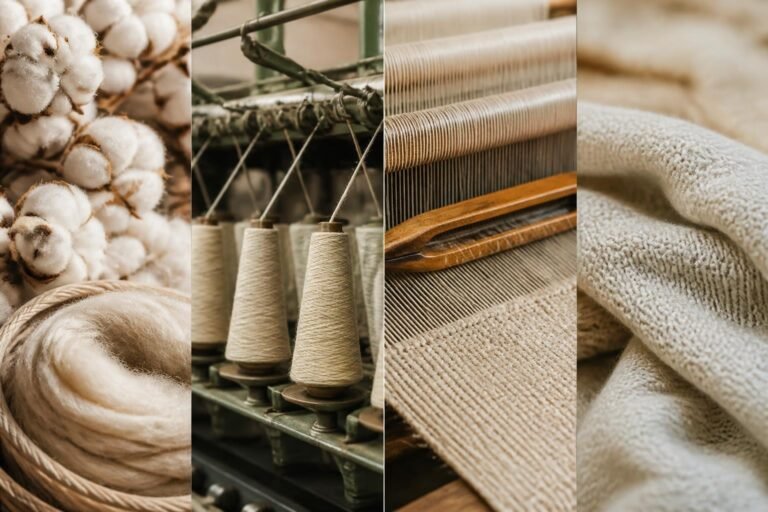
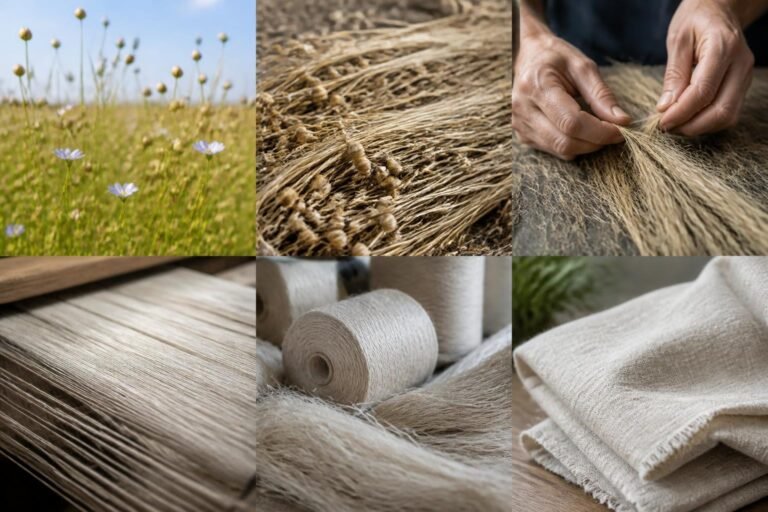
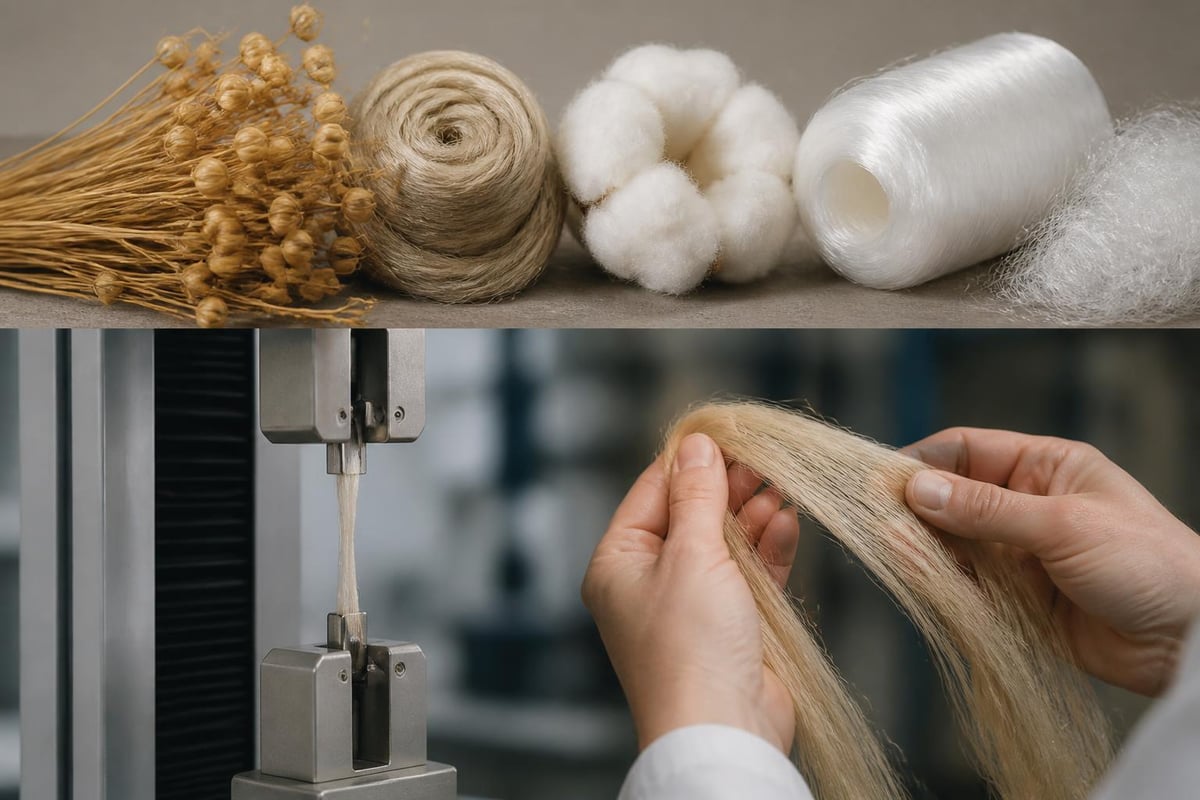
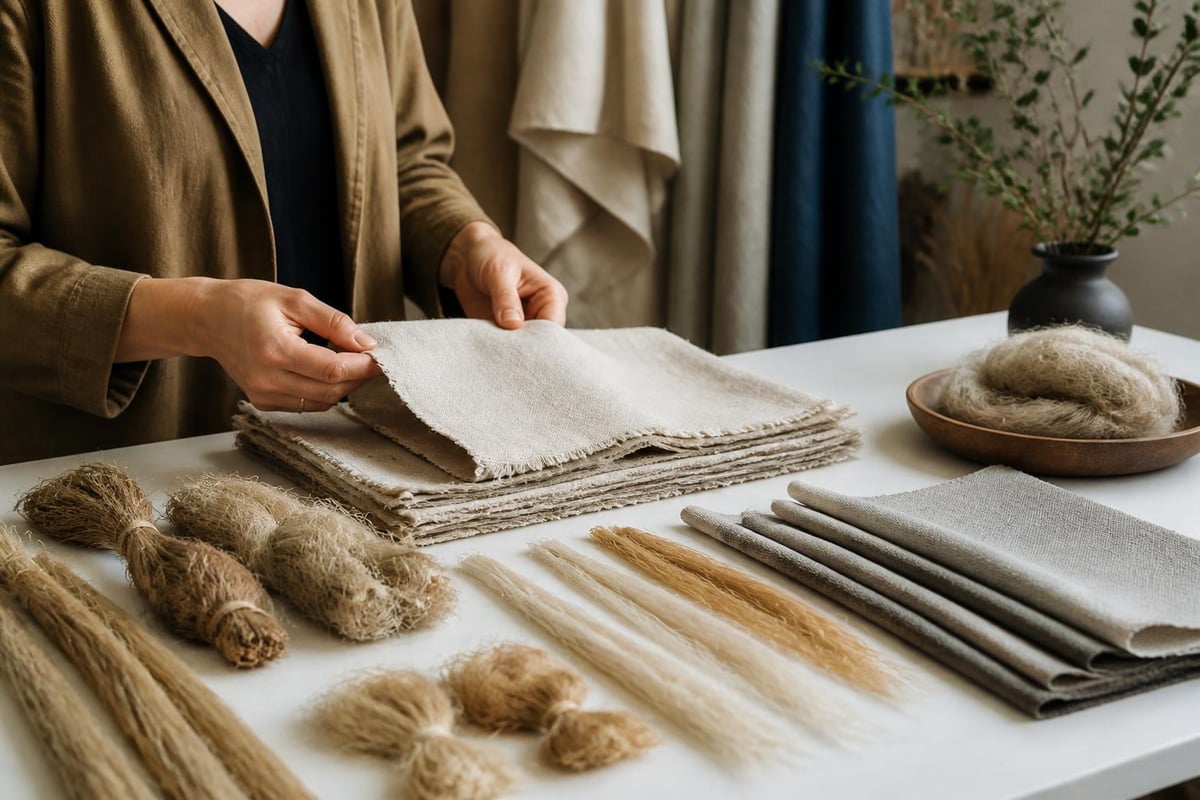
The practical value of flax starts inside the plant stem. Flax is a bast fiber, and after careful retting, scutching, combing and spinning, it becomes the yarn used to weave linen fabric.
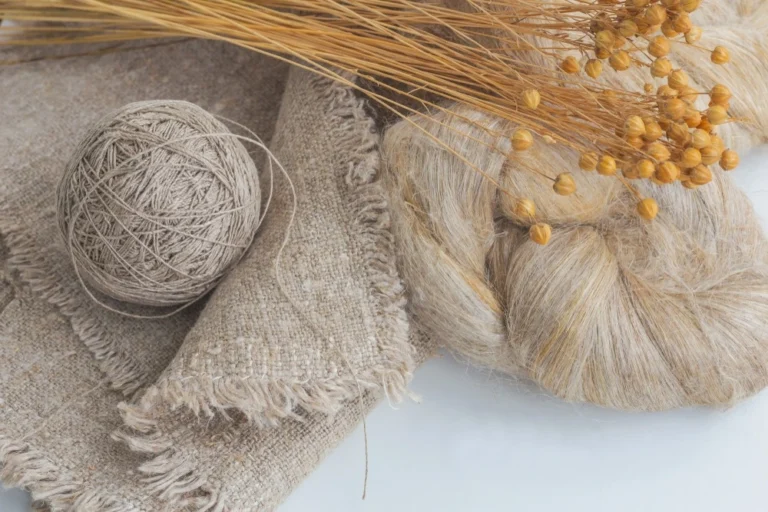
This is why people sometimes use the words “flax” and “linen” together. Flax is the plant and fiber source; linen is the textile made from prepared flax fibers. For a deeper explanation of the terminology, see our guide to the difference between linen and flax.
For buyers, the important point is simple: the quality of the fabric depends on fiber length, cleanliness, spinning consistency and finishing control. A beautiful fabric begins long before weaving.
Comfort in use
Flax-based linen fabric supports airflow and moisture release, which makes it useful for clothing, bedding and summer textiles where comfort is part of the product value.
Strength over time
A good flax fabric should feel firm without feeling harsh. Longer, cleaner fibers usually support smoother yarns, better appearance and more reliable performance after repeated use.
Natural character
Linen fabric made from flax rarely looks flat or synthetic. Its subtle slub, matte-lustrous surface and relaxed wrinkle pattern are part of its premium identity.
The strongest sourcing decisions do not start with price alone. They start by matching fiber quality, yarn construction and fabric behavior to the end use.
From plant to fabric
How flax becomes linen fabric
Flax fabric production is a chain of controlled steps. Each stage changes the final feel, appearance and performance of the textile.
Retting the stems
Retting separates the valuable bast fibers from the woody stem. Under-retting can leave hard particles, while over-retting can weaken the fiber.
Cleaning and aligning
Scutching removes woody material, and hackling combs fibers into cleaner alignment. This supports smoother yarns and more consistent fabric.
Spinning into yarn
When a smoother, finer yarn is required, wet spinning is often used because moisture helps bind flax fibers into a more compact thread.
Weaving and finishing
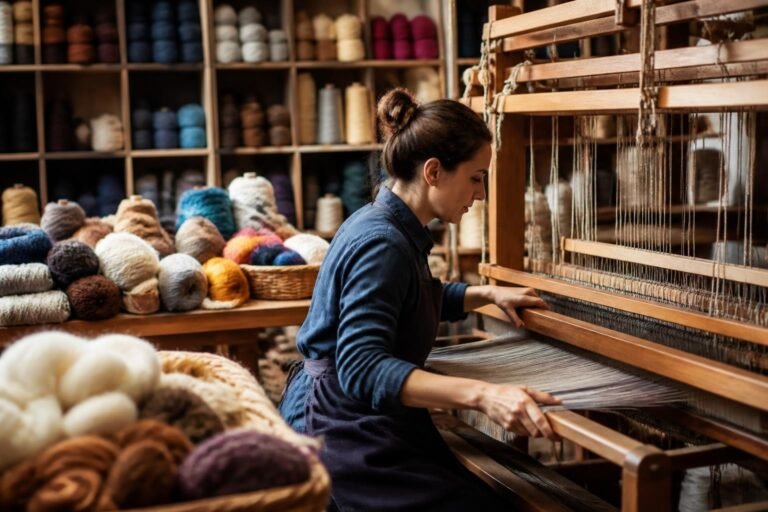
Yarn becomes fabric through weaving or knitting, then finishing controls drape, shrinkage, softness and final appearance.
Why production experience matters
Small differences in fiber preparation can become visible later as uneven yarn, rough fabric feel, poor dye response or inconsistent shrinkage. That is why experienced flax processors remain valuable in the textile supply chain.
You can explore the wider production sequence in our article on the spinning process.
Application fit
Where flax fabrics perform best
The same natural fiber can serve very different markets. The correct choice depends on yarn count, weave structure, finishing and the buyer’s end-use standards.
Apparel and fashion
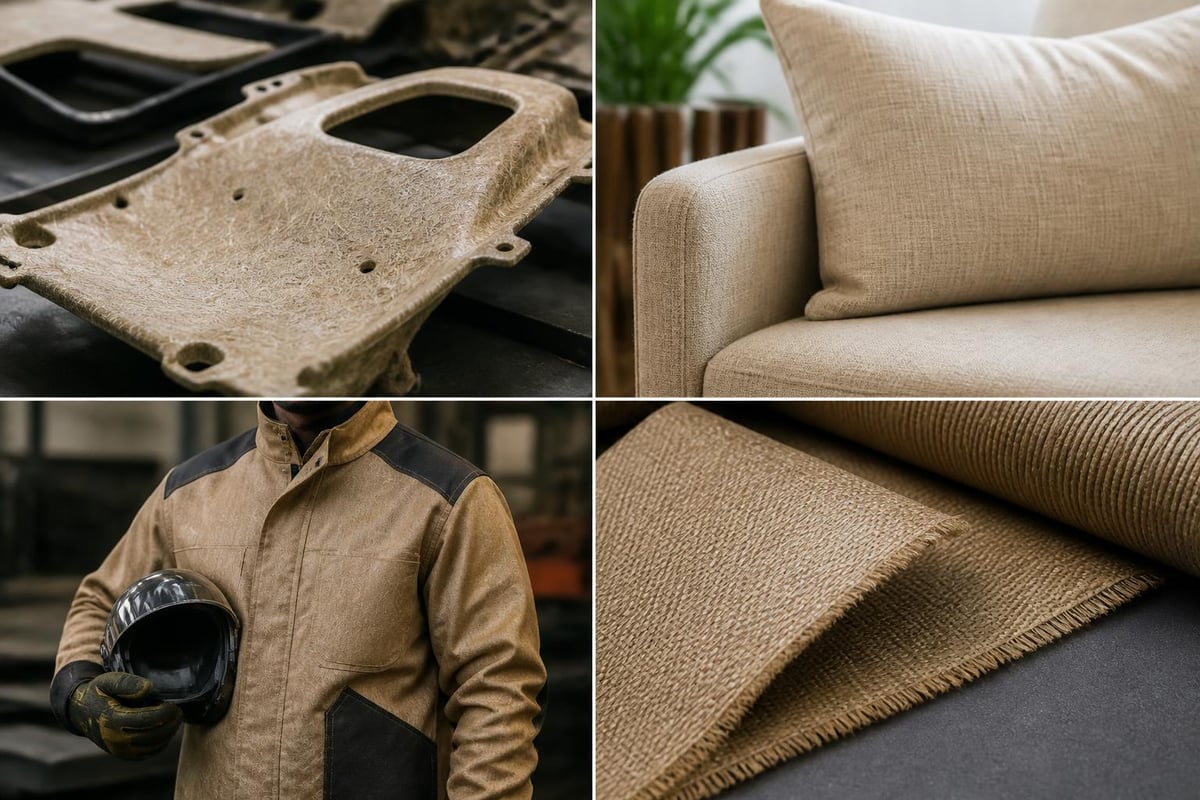
Lightweight flax fabrics are used for shirts, dresses, jackets, trousers and summer collections. Buyers usually look for breathable comfort, controlled shrinkage and a pleasant texture that still feels natural.
Home textiles
Bedding, table linen, curtains and decorative fabrics benefit from linen’s relaxed elegance. The best results come from matching weave density and finishing to the product’s washing expectations.
Craft and technical uses
Flax can support canvas, embroidery bases, book cloth, composite reinforcement and specialty textile projects. For these uses, dimensional stability and fiber consistency become especially important.
When you need linen yarn
Some buyers arrive looking for flax fabrics but actually need yarn for weaving, knitting, sewing, craft or manufacturing.
Path twoWhen you need flax yarn guidance
Use this route if you are still comparing yarn types, counts, texture, application and sourcing direction.
Path threeWhen you need wet-spun linen yarn
Use this product route when you need yarn specifications for weaving, knitting or industrial supply.
Path fourWhen you need raw flax fiber
Mills and textile producers may need staple length, cleanliness, bale consistency and spinning-route details before ordering.
Responsible material choice
Sustainability value without overclaiming
Flax is plant-based, durable and biodegradable when untreated. Still, the final environmental profile depends on the full chain: cultivation, retting method, spinning, dyeing, finishing, transport and end-of-life treatment.
What responsible buyers should ask for
- Clear material route: raw fiber, yarn, fabric, blend or finished textile.
- Real specification details: count, weave, weight, width, shrinkage and finish.
- Production and packing consistency for repeat commercial orders.
- Relevant documentation when the buyer’s market requires traceability or certification support.
For external reference, the Alliance for European Flax-Linen & Hemp provides useful information on flax-linen comfort and performance properties, while the Canadian Conservation Institute explains natural fibers, including flax as a stem fiber that becomes linen after processing.
Buyer checklist
How to judge flax fabric before sourcing
A supplier conversation should move quickly from general promises to measurable details. These checks help prevent confusion between raw fiber, yarn and finished textile requirements.
Fiber and yarn route
Ask whether the material comes from long fiber, tow, wet-spun yarn, dry-spun yarn or a blend. This tells you more about likely smoothness and performance than a simple “linen” label.
Fabric construction
Review weave, weight, width, shrinkage, finishing and color requirements. Apparel fabric, upholstery fabric and craft fabric should not be judged with the same checklist.
Supplier reliability
Check production history, repeatability, packing quality, export experience and certificates where relevant. You can review El Nawawy’s company certifications and quality philosophy as part of this evaluation.
Do I need fabric, yarn or raw fiber?
This clarifies the supply stage and prevents wrong quotations. Start with the product families page if you are still choosing the correct route.
Is the end use apparel, home textile or technical?
This guides the right fiber, yarn and finishing expectations. If weaving structure matters, compare the best types of weaving.
Is repeat supply important?
This shows whether supplier stability matters more than a one-time sample. Learn more about El Nawawy’s company background.
Do I need export packing or documentation?
This separates hobby buying from commercial sourcing. For export requests, use the contact page.
Related reading
Continue with the right next page
Choose the next step based on what you actually need to source or understand.
Common questions
Flax fabrics FAQ
Are flax fabrics the same as linen fabrics?
In everyday textile language, people often use the terms together. More precisely, flax is the plant and fiber source, while linen is the yarn, fabric or finished textile made from prepared flax fibers.
Why do flax fabrics feel cool in warm weather?
Flax-based linen fabrics are breathable, absorb moisture and release it efficiently. This helps the textile feel dry and comfortable, especially in warm or humid conditions.
What are the best uses for flax fabric?
Flax fabric is well suited for apparel, bedding, table linen, curtains, upholstery, craft bases and some technical applications. The best use depends on yarn quality, fabric weight, weave and finishing.
What should buyers check before sourcing flax textiles?
Buyers should check fiber route, yarn count, fabric construction, shrinkage, finishing, color requirements, packing, documentation and supplier consistency. For commercial buying, samples and clear specifications are essential.
Can El Nawawy help if I need flax yarn or raw flax fiber instead of finished fabric?
Yes. El Nawawy focuses on flax and linen-related materials, including raw flax fiber and wet-spun linen yarn. If your project needs yarn or fiber rather than fabric, the team can guide you toward the correct product route.
Need flax fiber or linen yarn for a real project?
Share your target use, quantity, packing needs and destination. Our team can help you choose the correct material route before you move from sample discussion to bulk supply.
Air shipments can start from 1 carton of 20 kg door to door, LCL is feasible from 100 kg up to 2 tons, and FCL is suitable for bulk wholesale buyers.