Controlled Inputs
Fiber quality starts before production. We review raw material condition, cleanliness, fiber behavior, and suitability for the required yarn, twine, cord, or industrial application.
El Nawawy’s quality philosophy is built around repeatable production control: raw material selection, humidity management, yarn lab testing, process inspection, packing review, and buyer documentation for yarn, flax, twine, and natural-fiber products.
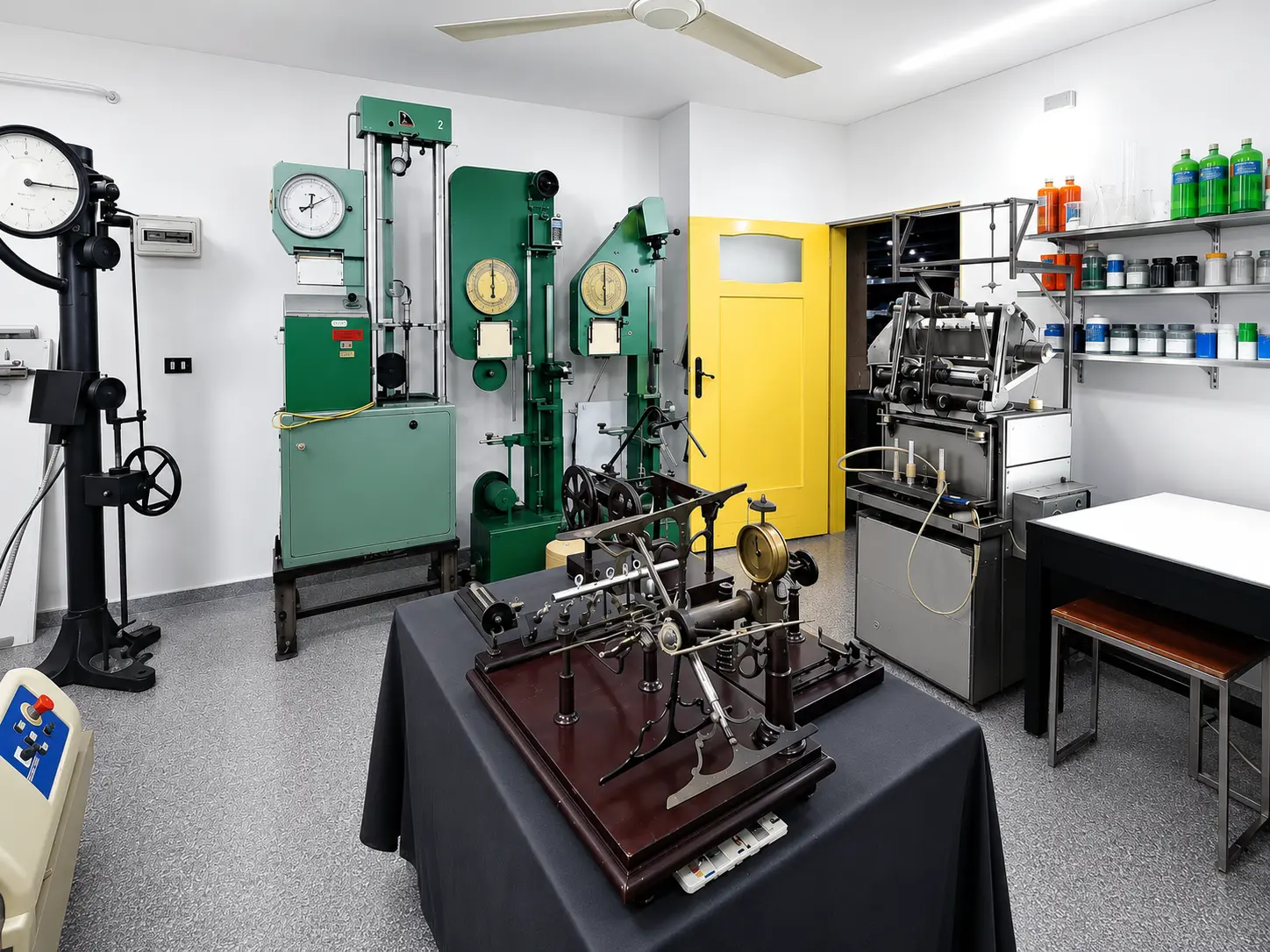
Quality is not treated as a final inspection only. It is built into every stage of production, from raw flax and fiber preparation to spinning, finishing, packing, and export documentation.
Fiber quality starts before production. We review raw material condition, cleanliness, fiber behavior, and suitability for the required yarn, twine, cord, or industrial application.
Production quality depends on stable processing conditions, trained teams, machine discipline, humidity control, and regular checks during preparation, spinning, finishing, and packing.
Finished products are reviewed against buyer requirements such as count, twist, strength, color, packing format, export labels, and order-specific documentation.
A reliable yarn or twine cannot be created from uncontrolled raw material. Our quality philosophy starts with selecting the correct fiber grade for the final use: textile yarn, flax fiber supply, butcher’s twine, plumbing flax, raffia twine, or other natural-fiber and industrial applications.
Importers and manufacturers need repeatable specifications, not only a good first sample. Starting with controlled material selection helps reduce variation between sample approval, trial order, and repeat production.
Linen and flax fibers are sensitive to factory conditions. Controlled humidity helps maintain better fiber behavior during preparation and spinning, supports smoother processing, and reduces the risk of avoidable yarn inconsistency.
Our mill uses humidity monitoring and control as part of the production environment. This helps the team maintain more stable fiber conditions during natural-fiber yarn manufacturing.
Lab and production checks help verify that yarn and natural-fiber products match practical buyer requirements before shipment.
Checks yarn or twine strength against the expected application and buyer requirement.
Reviews yarn appearance and visible consistency across the produced sample.
Measures twist level to support performance, handling, and product stability.
Reviews count accuracy so buyers receive material aligned with their specification.
Used where dyeing or color requirements are part of the buyer’s product specification.
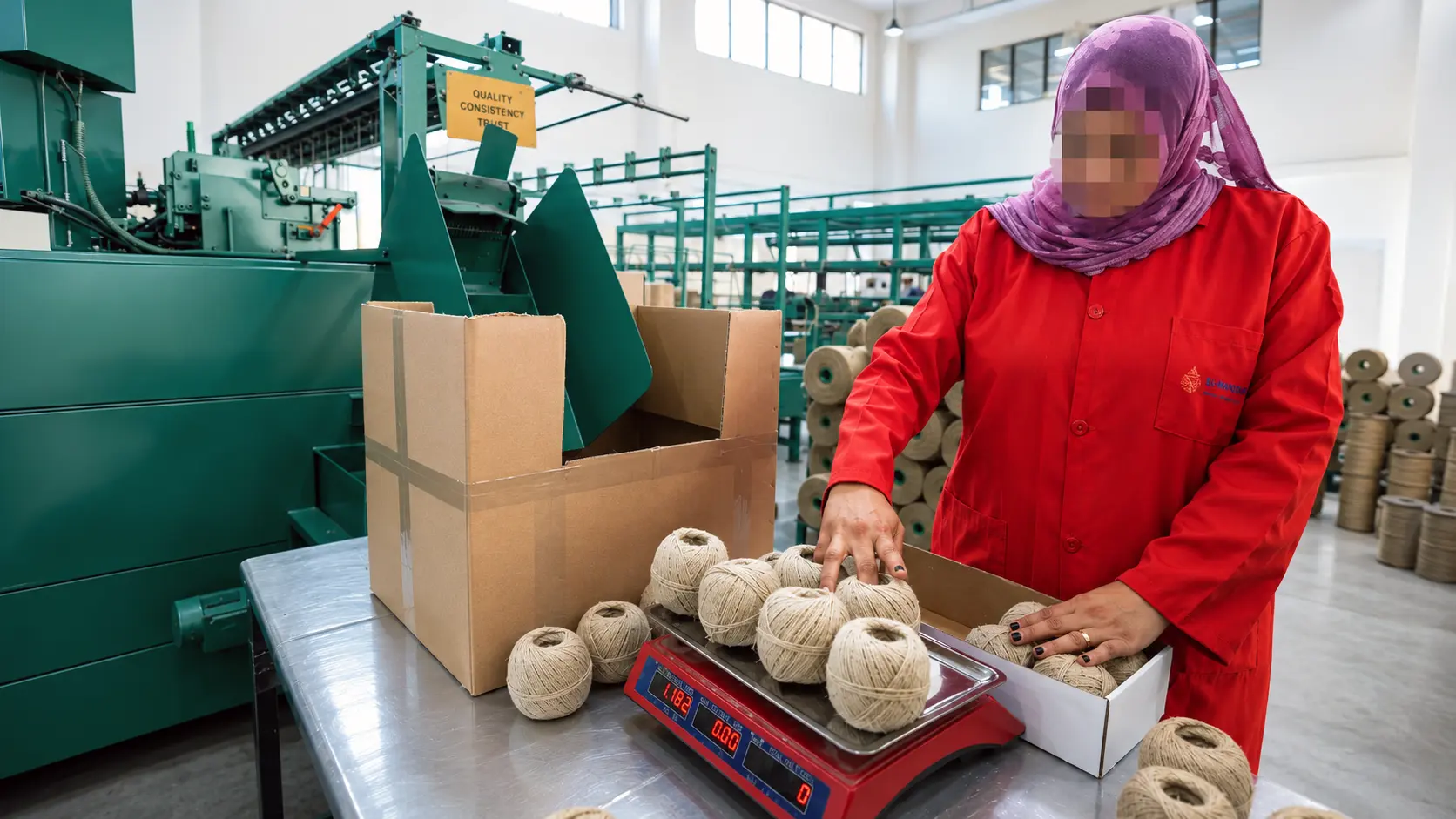
Finished yarn balls are weighed, checked, organized, and packed according to buyer requirements. This practical quality-control step helps support consistent order preparation, clean packing, and reliable export readiness.
The goal is to reduce uncertainty for export buyers by connecting product specifications, process control, inspection, packing, and documentation.
ISO 9001 supports the management system behind preparation, manufacturing, and exporting of linen yarn and flax. For procurement teams, this is most useful when combined with product specifications, order requirements, lab checks, and certificate verification.
These pages help buyers move from quality review to product selection, certificate verification, and quotation request.
Answers for procurement teams, distributors, textile buyers, and product managers reviewing El Nawawy as a supplier.
El Nawawy’s quality philosophy is based on controlled raw material selection, production discipline, humidity control, lab testing, packing review, and buyer documentation to support consistent yarn, flax, twine, and natural-fiber manufacturing.
Common checks include tensile strength testing, black board yarn pattern review, twist per meter analysis, yarn count analysis, dyeing color fastness checks, and production-stage inspection.
Humidity control helps natural fibers remain more stable during preparation and spinning. For linen and flax yarn production, controlled humidity supports smoother processing and more consistent yarn behavior.
ISO 9001 supports the quality management system behind production and export processes. It is not the same as a product certificate. Buyers who need product-specific documents should request the required certificate, test record, or conformity document.
Buyers can contact El Nawawy with the product name, target specification, destination market, order quantity, and required document type. The team can then confirm available ISO records, specifications, or order-related documents.
Send your product name, destination market, required specification, and expected quantity. Our export team will help match your inquiry with the right product family and documentation path.