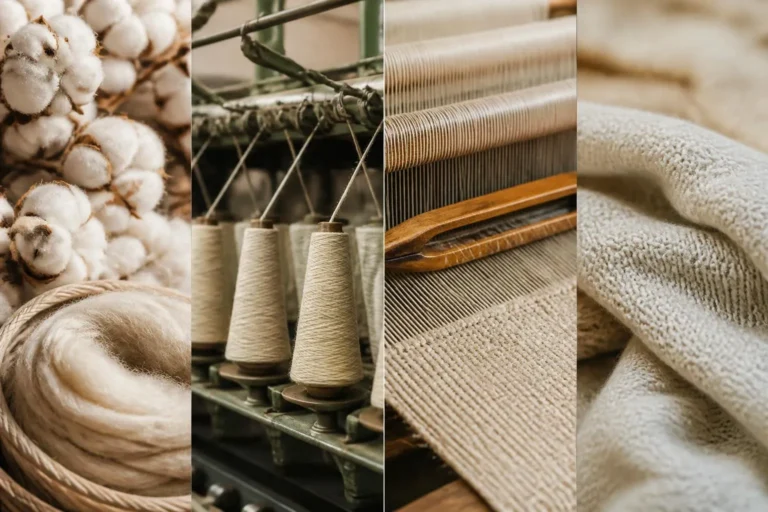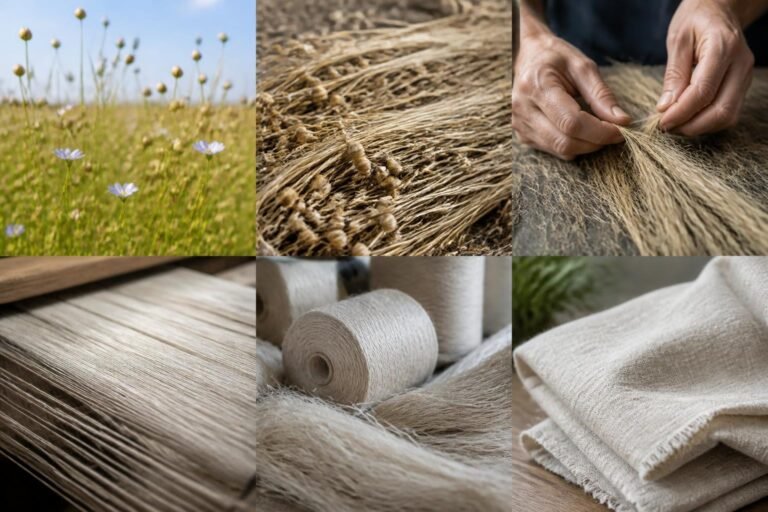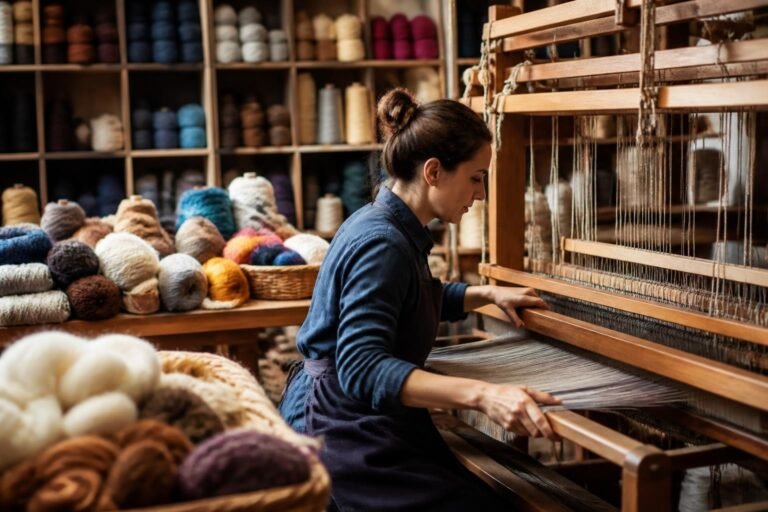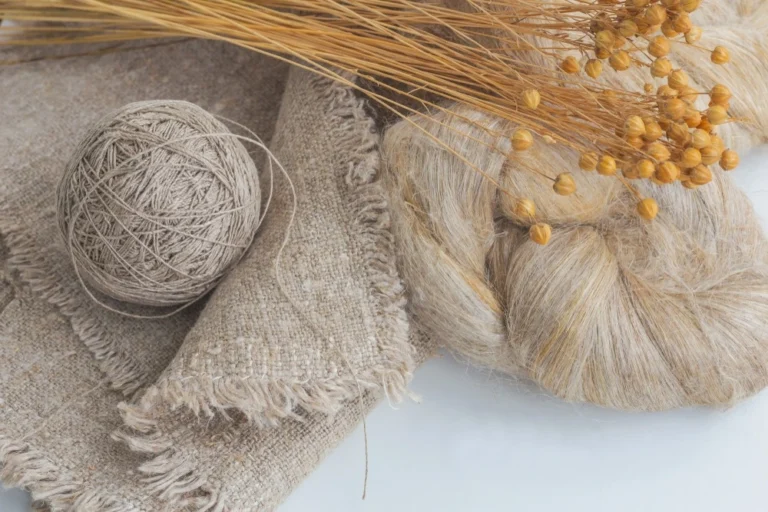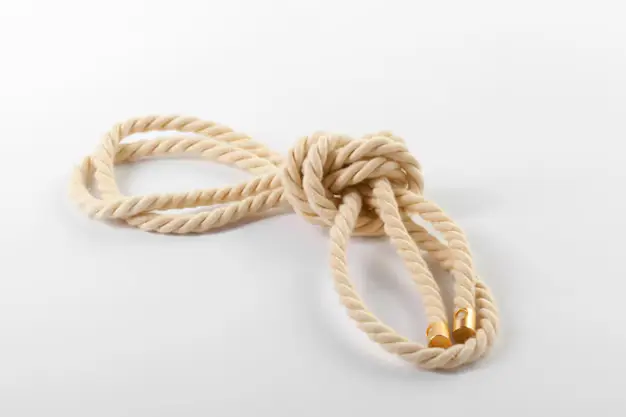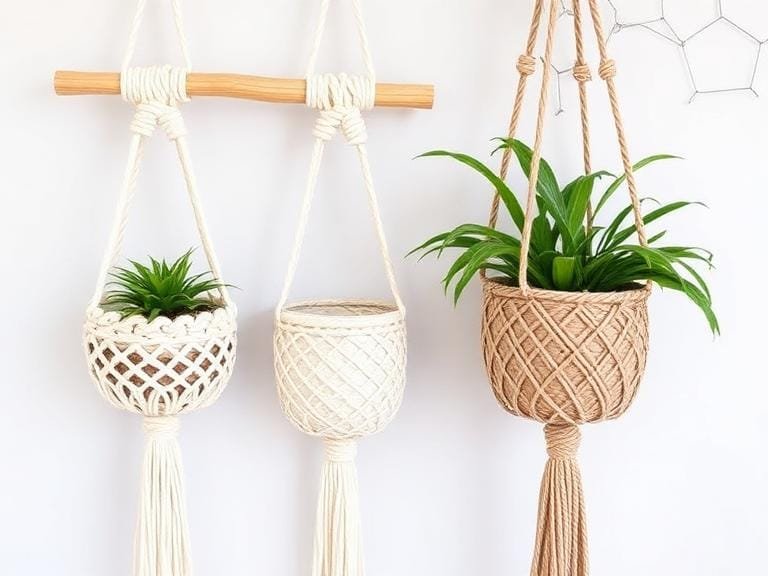
Flax twine uses are broader than most people expect. It can work well for gift wrapping, garden tying, craft work, visible product bundling, and simple kitchen presentation where a natural finish matters more than a glossy, synthetic look.
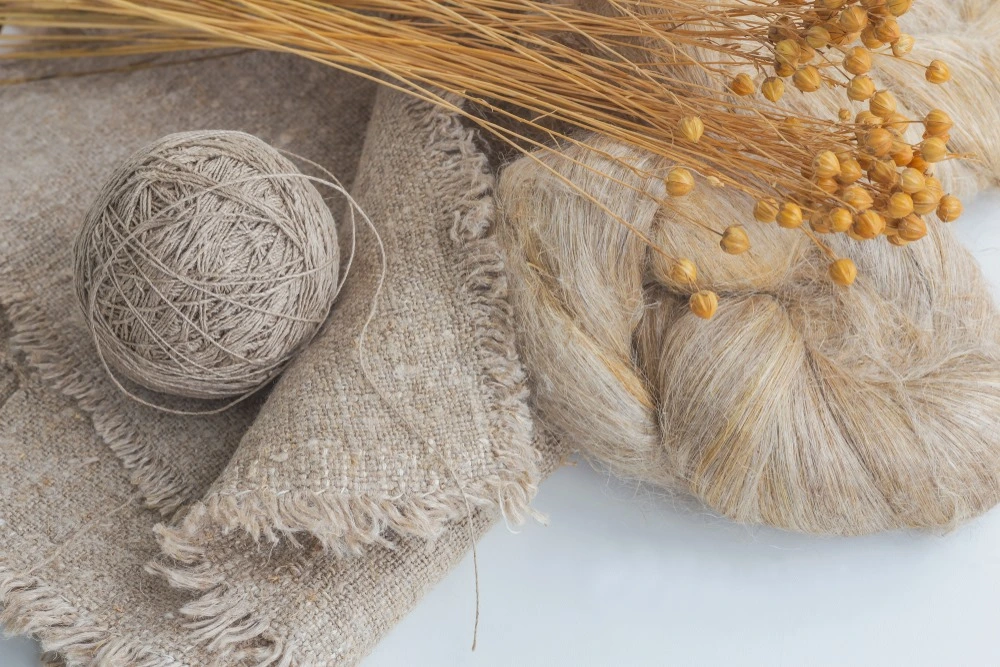
What makes it appealing is not only function. It is the combination of texture, appearance, and feel in the hand. Flax twine comes from flax fiber, the same plant source behind linen, so understanding the material helps before choosing a spool for real work. If you want that background first, see our guide on the difference between linen and flax and our page about flax fiber raw material.
At El Nawawy, flax-based materials sit inside a wider product family that includes yarns, twines, and fiber-based lines. In practice, the right choice usually comes down to a few simple things: thickness, finish, handling feel, and what the twine actually needs to do.
This guide reflects practical material knowledge from El Nawawy’s flax-related product work and is supported by carefully selected reference sources.
What flax twine is and why it stays useful
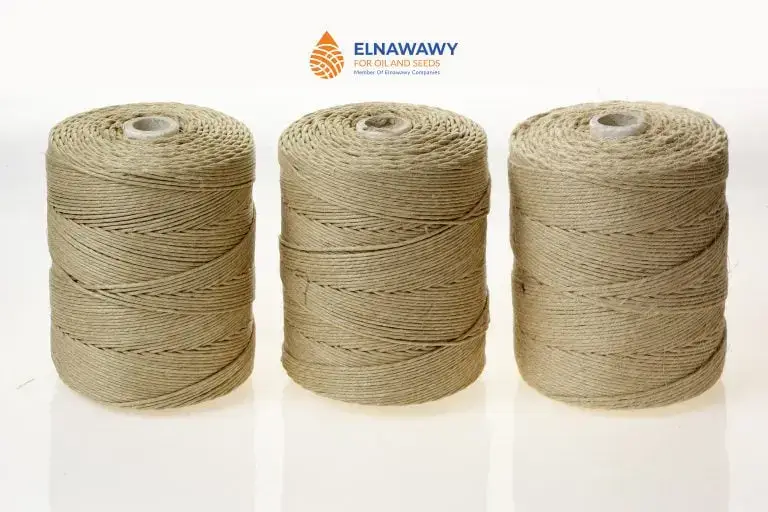
Flax twine is a natural cord made from flax fiber. That gives it a different character from synthetic string. It feels more organic, looks softer, and suits projects where the cord remains visible instead of disappearing into the background.
In real use, that means it often makes sense for wrapping, decorative tying, artisanal packaging, craft work, and light garden tasks. It is less about pretending one spool can do everything and more about knowing where the material feels right.
If your main interest is the raw material itself, visit our flax fiber raw material page. If you are comparing broader twine and yarn options, go to yarn products.
Flax Twine Uses in Everyday Work
Flax twine uses are easiest to understand in real situations. It works best where the cord needs to look good, tie cleanly, and feel natural in the hand. These are the situations where flax twine usually makes the most sense.
Kitchen presentation
Flax twine can work nicely for wrapping herb bunches, dressing jars, tying small handmade food packs, or adding a rustic finishing touch to kitchen presentation. For more specialized reading, compare it with kitchen twine for food packaging and linen butcher’s kitchen twine.
Gardening and plant support
This is one of the simplest ways to use it. Flax twine can help with tying stems, guiding light plant growth, and making simple trellis lines where a softer, less artificial look is preferred.
Arts, wrapping, and handmade projects
In craft work, flax twine is often used for tags, gift wrapping, scrapbook details, product bundles, candles, boxes, and small decorative finishing touches. If you are comparing fibers for creative work, see how to choose the best yarn for crafts.
DIY home décor
It also fits napkin ties, bottle wraps, table styling, wedding details, rustic centerpieces, and other home décor uses where texture matters just as much as function.
Light organization and bundling
For studios, workshops, shops, and storage spaces, flax twine can be a tidy option for lightweight grouping and neat presentation, especially when the bundle itself will be seen by a customer.
Natural-looking packaging
Small brands and handmade businesses often prefer flax twine because it supports a quieter, more authentic visual style. It feels at home with natural goods, heritage products, and artisan packaging.
How to choose the right twine or flax cord for your project
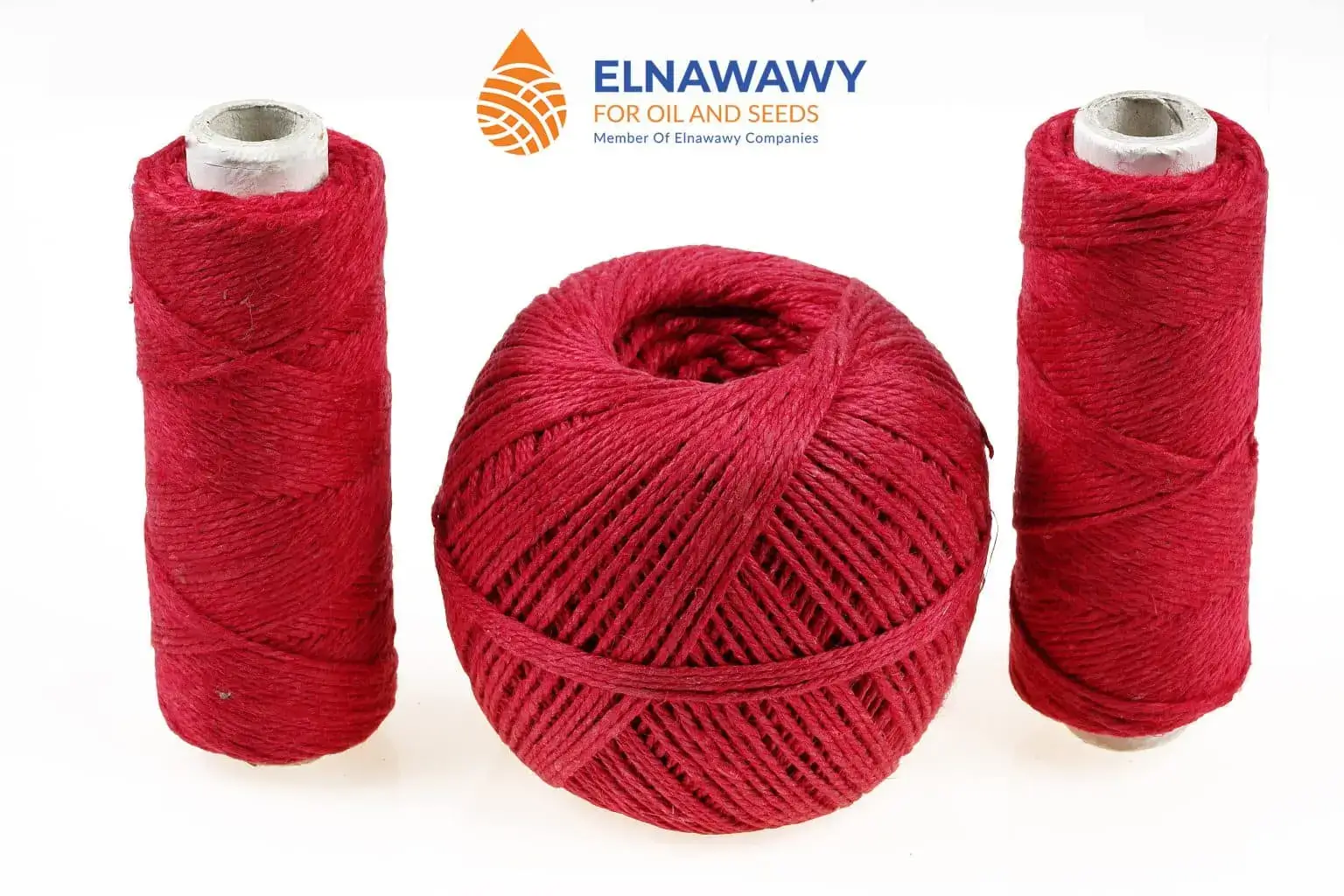
A spool can look good and still be wrong for the job. The better approach is to match the twine to the actual task: how strong it needs to feel, how visible it will be, and whether consistency matters from one order to the next.
Think about thickness first
Finer twine is easier for tags, smaller wrapping jobs, and neat finishing details. Thicker cord usually makes more sense when the tying point will stay visible or needs more hand feel.
Pay attention to surface and finish
Some uses benefit from a rustic, natural appearance. Others need a cleaner and more even finish, especially when the cord becomes part of retail presentation.
Be clear about the end use
Garden tying, decorative packaging, food presentation, and craft work may all use twine, but they do not always need the same type. A little clarity at the start prevents the wrong purchase later.
Know when to move from reading to sourcing
If your question is now about repeat orders, stable specification, or product fit, it is better to move to contact us and quality philosophy than to stay in article mode.
Why people still prefer flax twine
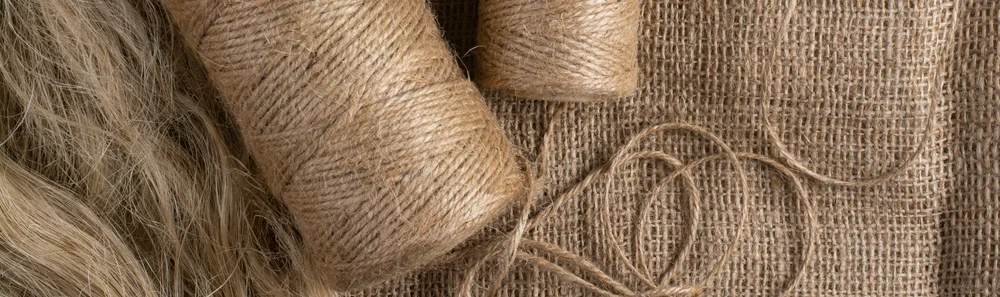
There are faster, cheaper, and more industrial-looking alternatives on the market, yet flax twine still keeps its place. The reason is not complicated. It offers something many synthetic options do not: a natural feel that looks believable and does not fight with the product it is tied around.
It looks natural without trying too hard
That matters in handmade goods, artisan packaging, home décor, and anywhere the cord stays visible.
It feels better in the hand
For many light tasks, flax twine is simply more pleasant to handle than glossy plastic alternatives.
It fits the story of natural products
If the item itself is natural, rustic, traditional, or fiber-based, flax twine usually feels visually consistent.
It connects naturally with flax and linen materials
People already working with flax fiber, linen, or natural yarns often prefer that continuity across the full presentation.
When flax is not the best fit
A useful page should say this clearly: flax twine is not the right answer for everything. It works well in many practical situations, but a better choice exists when the project becomes more specialized.
Strict butcher or heat-related use
If the real requirement is professional butcher twine or a more specific food-use product, go directly to premium butcher’s twine.
Bakery-first cotton preference
Some users are not really looking for flax at all. If the job is more cotton-oriented, compare with best cotton baker’s twine.
Knitting or yarn-focused intent
If the goal is fiber art yarn rather than twine, the better path may be best linen yarn for knitting.
Larger product-supply discussions
If you have moved beyond general reading and now need product direction, order discussion, or specification help, go to yarn products and contact us.
Frequently Asked Questions
Is flax twine biodegradable?
Can flax twine be used outdoors?
Is flax twine suitable for cooking tasks?
How do I choose the right thickness?
What should I read next on your site?
Need the right flax-based product for your project?
If you are still comparing options, that is normal. Some visitors need general background first. Others already know they need a certain spool, finish, or product direction. Either way, the next step is simple: tell us what you are trying to do, and we can help point you toward the most suitable product path.
Authoritative reading
These two references are useful for readers who want a stronger material background around flax and fiber processing: