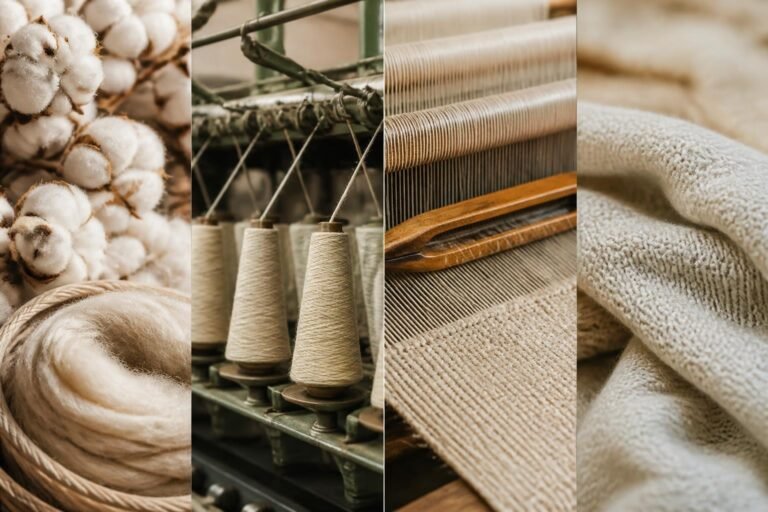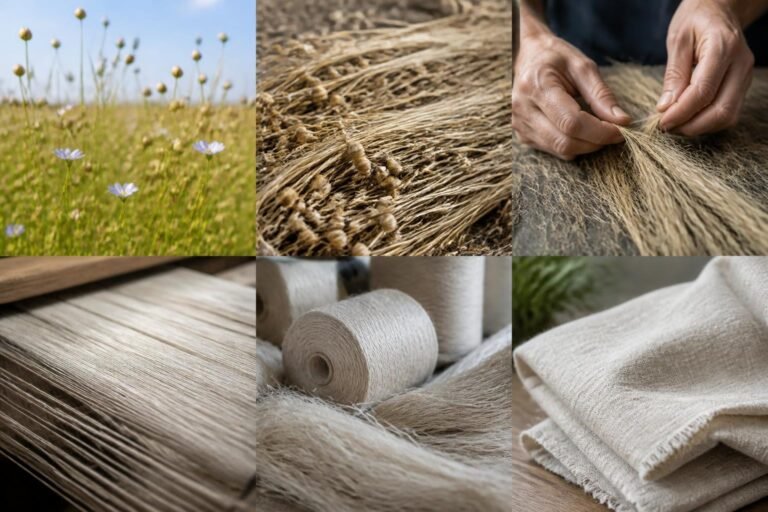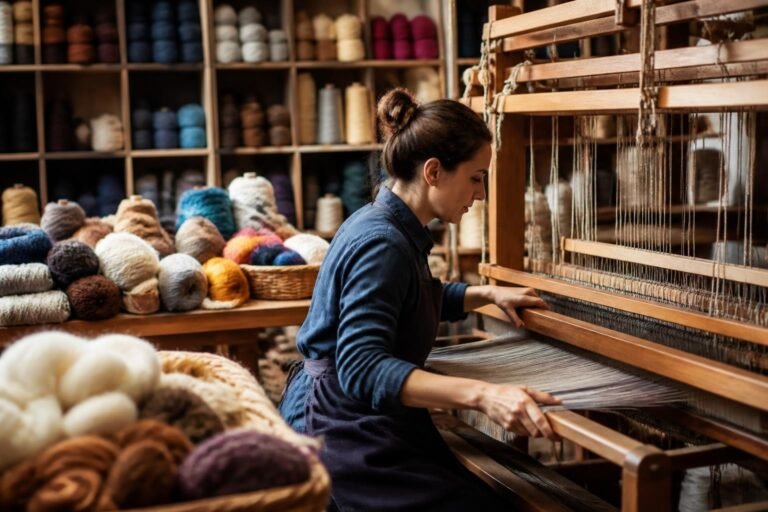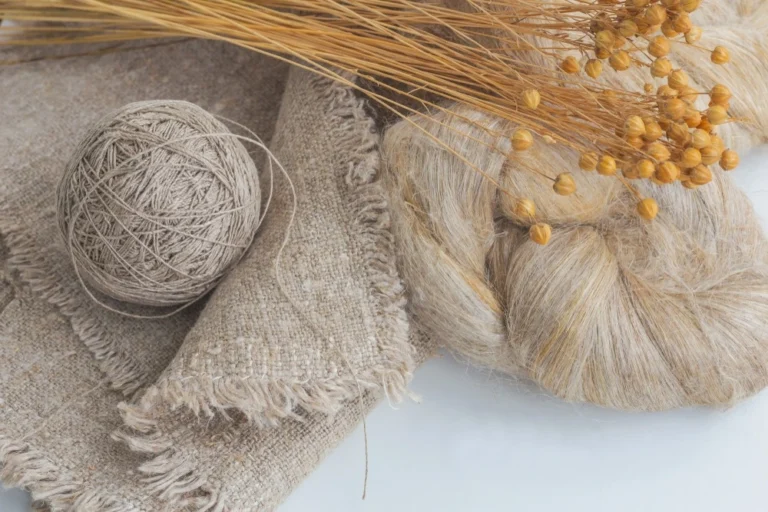
Understanding types of weaving is essential for manufacturers, textile buyers and craft producers evaluating materials for durability, appearance and performance. The structure of a fabric weave determines how fibres interlock – influencing strength, flexibility, texture and overall product quality.
In both textile manufacturing and natural-fibre crafts such as raffia production, selecting the right weave allows businesses to produce materials suited for apparel, home décor, packaging and handmade goods.
Nearly all fabrics are built on three foundational weaves – plain, twill and satin – extended by advanced patterns like herringbone, basket, jacquard and dobby. Buyers who understand weave patterns can better assess fabric functionality and choose structures that match their production or retail needs.
What are the types of weaving in textile production?
In textile manufacturing, types of weaving refer to the structured method of interlacing warp and weft threads to create fabric. The arrangement of these threads forms a fabric weave that defines the surface texture, strength and elasticity of the final textile.
Most industrial fabrics are created using three foundational weaves, but modern production introduces numerous different patterns based on these base structures. These structures also influence breathability, durability and appearance – making weave selection a critical factor for manufacturers and designers.
The three fundamental fabric weave structures
Textile production typically begins with three classic weaves that form the foundation of nearly all fabrics used worldwide:
Advanced weave patterns used in modern fabrics
Beyond basic structures, manufacturers use advanced weave patterns to achieve specialised fabric characteristics:
- Herringbone weave – known for its distinctive V-shaped texture.
- Basket weave – resembles a checkerboard structure.
- Jacquard weave – capable of producing complex patterns directly within the fabric.
- Dobby weave – used to create geometric patterns and textured surfaces.
Each of these patterns modifies the interlacing structure to produce unique visual and functional qualities – knowledge that lets manufacturers and buyers choose the most appropriate weave for their intended product.
Fabric weave performance and material behaviour
The selection of a fabric weave significantly affects how a textile performs in use. Certain weaves provide high durability, while others emphasise softness or drape. Plain-weave fabrics offer exceptional strength due to frequent thread interlocking, making them reliable for high-wear products.
Twill structures provide flexibility and wrinkle resistance – which is why they dominate clothing and upholstery – while satin structures prioritise surface smoothness and aesthetic appeal.
Because weave structure influences airflow, weight and stretch, textile engineers carefully evaluate it before production begins. This technical decision directly impacts fabric performance and product lifespan.
Types of weaving with raffia in craft production
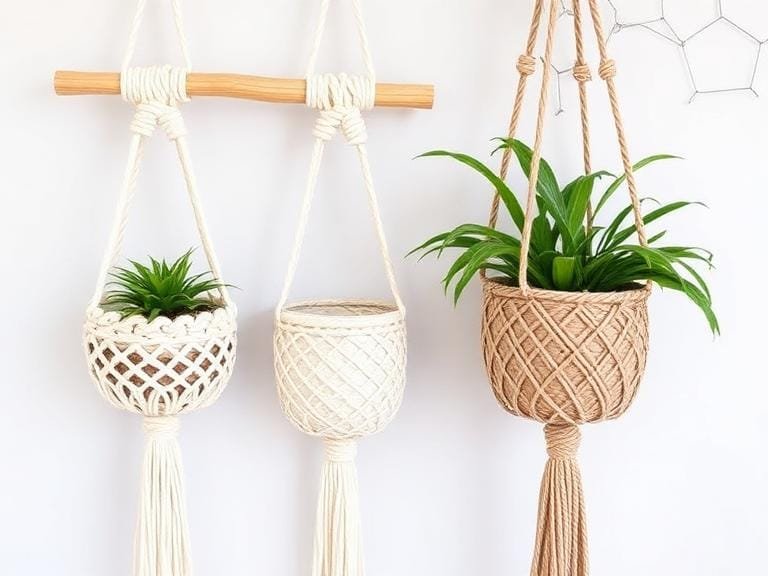
Natural-fibre crafts increasingly rely on raffia weaving to produce baskets, décor items, fashion accessories and packaging materials. Raffia fibres are valued for their flexibility, strength and natural appearance – ideal for artisanal techniques.
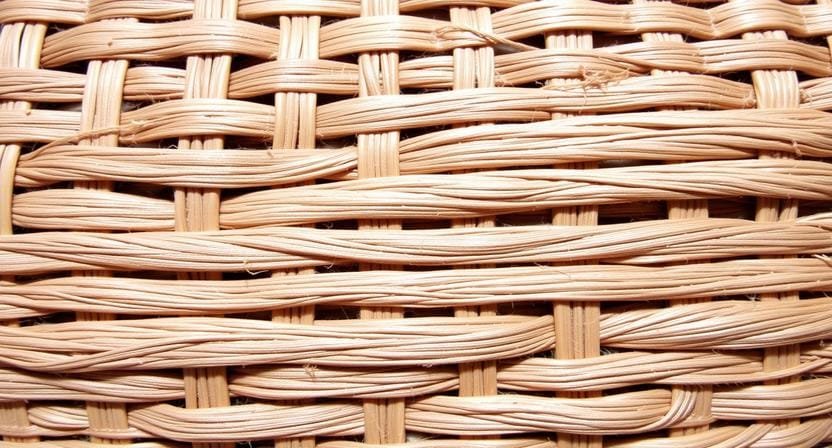
Traditional raffia weaving often mirrors textile principles but is adapted for thicker natural fibres. Popular techniques include spiral weaving, coiling and open lattice structures, which let artisans create durable items while preserving the organic texture of the fibre.
Practical uses of raffia weaving techniques
Businesses in eco-friendly products frequently adopt raffia weaving for handmade goods that appeal to sustainability-focused markets:
- Decorative storage baskets
- Handmade handbags and accessories
- Table mats and home décor items
- Gift packaging and presentation
See also our polypropylene raffia twine for high-volume applications.
How different weave patterns affect design and texture
The choice among weave patterns directly influences the aesthetic and tactile qualities of both fabric and natural-fibre products. Subtle adjustments in the weave can produce textures ranging from smooth, glossy surfaces to rugged, heavily textured materials.
Designers select patterns aligned with the product’s purpose: upholstery fabrics benefit from dense, durable structures, while fashion textiles may prioritise softness and fluid drape. Likewise, in raffia craft production the weave determines whether a product appears rustic, decorative or refined.
Selecting the right types of weaving for production
Manufacturers and designers must evaluate several factors before choosing a weave: the final material must balance aesthetics, durability and production efficiency.
Key considerations include fibre type, product purpose and manufacturing capabilities. A strong fabric weave may be required for heavy-duty textiles, while decorative items may rely on more intricate patterns. When working with natural fibres, raffia weaving should also account for fibre thickness and flexibility to prevent breakage during the process.
Businesses that understand how weaving influences performance and appearance make better decisions when sourcing fabrics or developing new woven products.
Buyer questions about types of weaving
?What are the main types of weaving used in textiles?
?Why are different weave patterns important in fabric design?
?How does a fabric weave affect fabric performance?
?What are types of weaving with raffia used for?
?Are types of weaving with raffia similar to textile weaving?
Send us fibre type, count, quantity and destination – we’ll recommend the right yarn or twine for your weave structure and production line.
The information on fibre length, retting and processing is based on El Nawawy’s own practice in cultivation and spinning since 1974. The textile testing standards mentioned are GOTS (Global Organic Textile Standard) and OEKO-TEX® – both are independent and can be verified with the respective certificate holder.
Price, quantity and delivery details are valid as of publication and are confirmed on request.