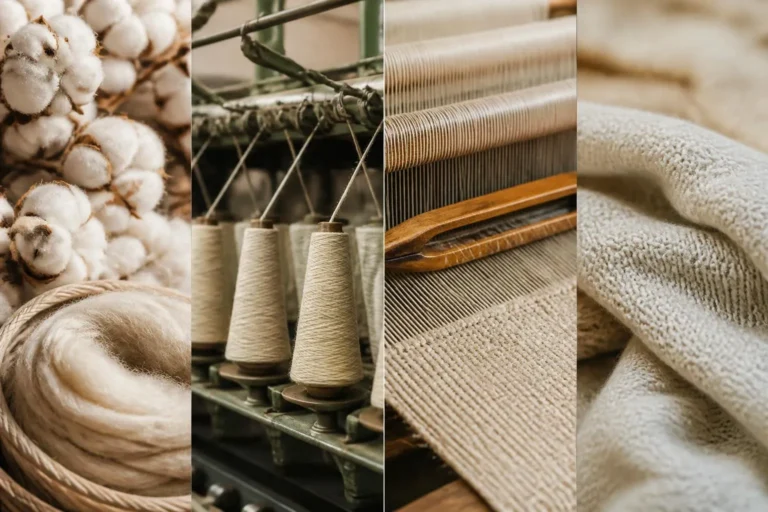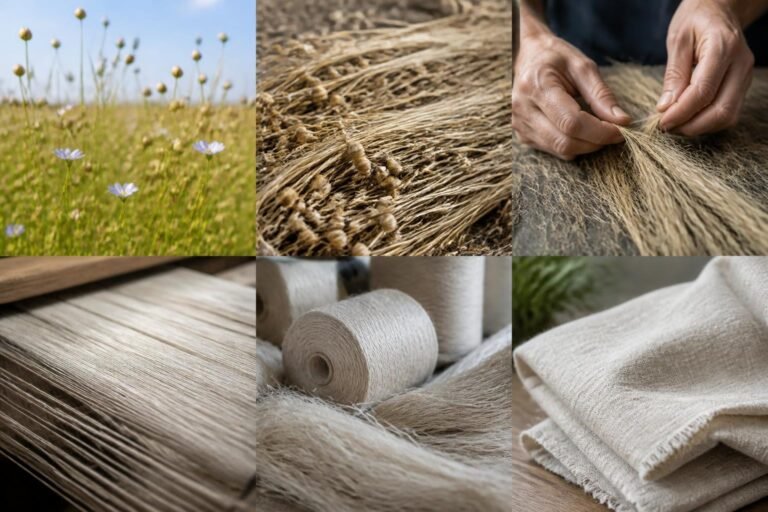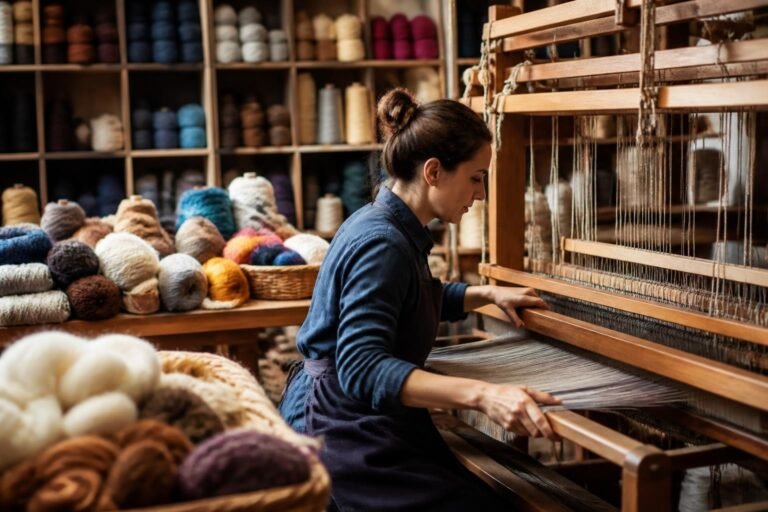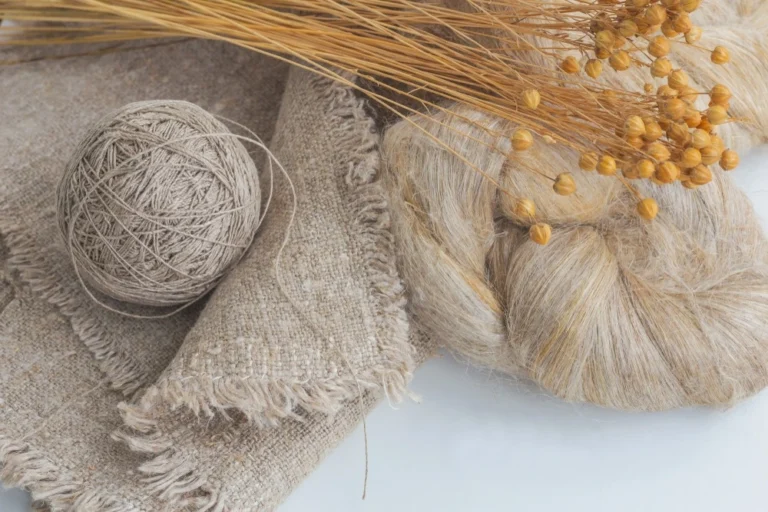
Egyptian linen has long been regarded as the “fabric of the gods” – of such high quality that it passes as a benchmark of excellence anywhere around the globe. The superiority of this luxury fabric lies in its unique combination of softness, durability and eco-friendliness.
From its first cultivation along the rich banks of the Nile to its contribution to modern sustainable-lifestyle movements, the appeal of Egyptian linen to design and manufacturing interests worldwide has only just begun.
Seven reasons make Egyptian linen a benchmark: 7,000 years of heritage, the naturally fertile Nile Delta, careful traditional-plus-modern farming, extra-long fibres that outclass European, Canadian and Chinese linen, genuine sustainability, versatile applications and deep cultural significance.
The ancient legacy of Egyptian linen
Egyptian linen dates to the cradle of civilisation over 7,000 years ago. Flax originated as an integral part of life and culture for the ancient Egyptians – a lightweight, breathable fabric well suited to the dry desert climate.
Linen also carried spiritual significance: in ancient Egypt it represented purity and was used in religious rituals. Priests wore white linen robes, and textiles played a great role in burial – the linen shroud in which mummies were wrapped ensured their preservation in the afterlife. The quality of textiles unearthed from archaeological sites speaks of craftsmanship that inspires admiration even today.
The Nile Delta: a land fit for flax to flourish
The exceptional quality of Egyptian linen can be explained by this land. Every year in the Nile Delta, fresh land is regained as the river overflows and fills the plains with fertile sediments. Ideal soil combined with warm Egyptian sunshine makes for perfect flax.
Unlike regions whose climates change from season to season, Egypt’s constant temperatures and scarce rainfall give a uniform crop. The consistency of the flax grown here is what gives Egyptian linen its legendary softness, strength and sheen.
Find out more: 7 irresistible reasons to love natural linen yarn
Traditional and modern flax farming practices
Traditional methods
Flax cultivation has historically been performed manually in Egypt. Harvesting involved careful hand-pulling to prevent damage to the fibres. Retting – soaking flax stalks in water – loosens the fibres from the stems, and the Nile’s slow-moving water is ideal for high-quality retting, leaving the fibres with their natural shine and strength.
Present practices
Technology in flax farming has been mechanised, yet Egyptian producers retain traditional methods to maintain the integrity of the fabric. Modern advances focus on responsible farming – safe water use and reduced pesticide applications – while improved seed selection ensures even greater fibres.
What makes Egyptian linen so unique
Egyptian linen vs European linen
- Fibre length and softness: long fibres in Egyptian linen assure softer, more durable fabrics than European linen made of many shorter fibres.
- Weaving techniques: both emphasise craftsmanship, but Egypt’s handwoven tradition produces a distinctive finish.
- Environmental impact: both are sustainable, but natural irrigation gives Egyptian linen a smaller carbon footprint.
Egyptian linen vs Canadian linen
- Fibre characteristics: Canadian flax, grown for a shorter period, results in coarser fibres.
- Production level: Canadian linen relies on machine mass production, potentially compromising quality compared with the Egyptian manual process.
Egyptian linen vs Chinese linen
- Consistency in quality: Egyptian climatic conditions guarantee consistent fibre quality; China’s vast regions and variable climates yield inconsistent fibres.
- Mass production: Chinese linen is more prevalent, potentially less refined in texture and less durable than Egyptian linen.
Egyptian linen: a sustainable choice
Egyptian linen has earned the right to boast of environmentally friendly production. Natural Nile flooding means artificial irrigation is not needed, and age-old farming methods limit chemical applications. The fabric biodegrades and can be reused – an environmentally sound cycle.
It also takes less input to produce linen than cotton, making it even friendlier to the environment. Wearing Egyptian linen supports better farming and contributes to a greener textile industry.
Wide application of Egyptian linen
The utilisation of Egyptian linen is remarkably diverse:
- Clothing: the favourite material for summer dresses thanks to softness and durability – high-class fashion that is both charming and comfortable.
- Home textiles: easy-care bedsheets, curtains and household fabrics that are strong and durable.
- Accessories: linen purses, scarves and even shoes are just the tip of the iceberg of this fabric’s versatility.
- Specialised uses: the world’s most luxurious hotels use high-thread-count Egyptian linen sheets to give guests a truly luxurious stay.
Find out more: Best linen yarn for knitting
Cultural importance & how to identify genuine Egyptian linen
Linen is not only a fabric but a key to Egypt’s national heritage. The meanings of purity, light and life are transcriptions of ancient doctrines that still make themselves felt in the present – and linen remains a showcase of Egyptian invention and art in the modern world.
To distinguish genuine Egyptian linen from products merely labelled “made in Egypt” of dubious quality:
- Check whether GOTS (Global Organic Textile Standard) and OEKO-TEX® certifications are available.
- Look for a label that says “Manufactured in Egypt” or “100% Egyptian Linen” on the product.
- Buy from reputable stores that carry authentic Egyptian items.
Care for your Egyptian linen products
Proactive care optimises the lifespan of your Egyptian linens:
- Wash: use cold water and a mild detergent to keep the fibres from breaking.
- Dry: drying in sun and breeze extends life; alternatively use a tumble dryer on a low setting.
- Iron: if required, iron while the cloth is still partly damp for the best finish.
Frequently asked questions
?Why is Egyptian linen so expensive?
?Is linen suitable for all seasons?
?Can Egyptian linen be dyed?
?Is all linen hypoallergenic?
?How can I tell the difference between Egyptian and regular linen?
Egyptian linen is an emblem of elegance, ecological balance and craftsmanship. By choosing it you invest not merely in a product but in a sustainable future – for home use, fashion or professional work.
The information on fibre length, retting and processing is based on El Nawawy’s own practice in cultivation and spinning since 1974. The textile testing standards mentioned are GOTS (Global Organic Textile Standard) and OEKO-TEX® – both are independent and can be verified with the respective certificate holder.
Price, quantity and delivery details are valid as of publication and are confirmed on request.