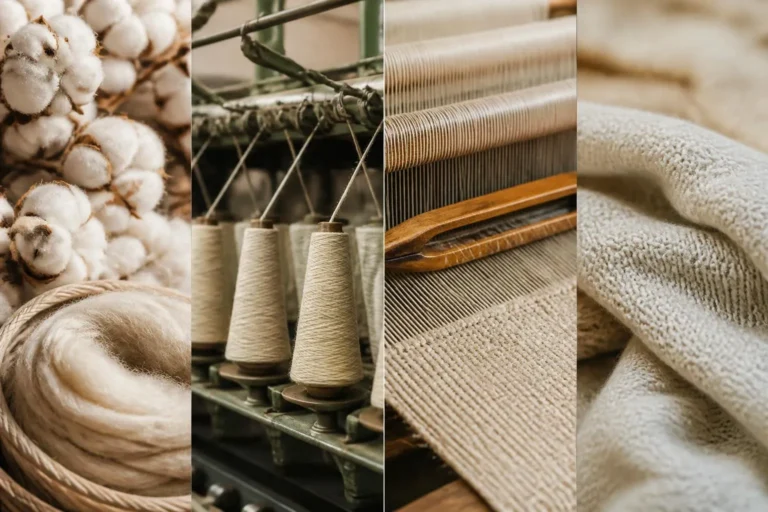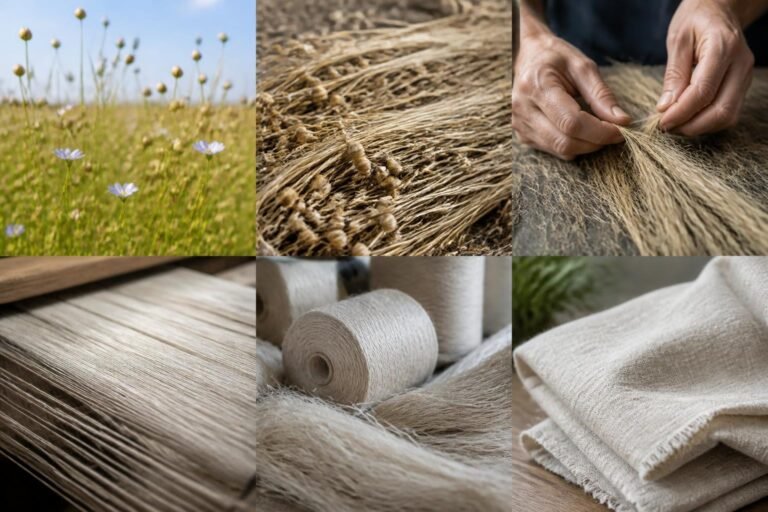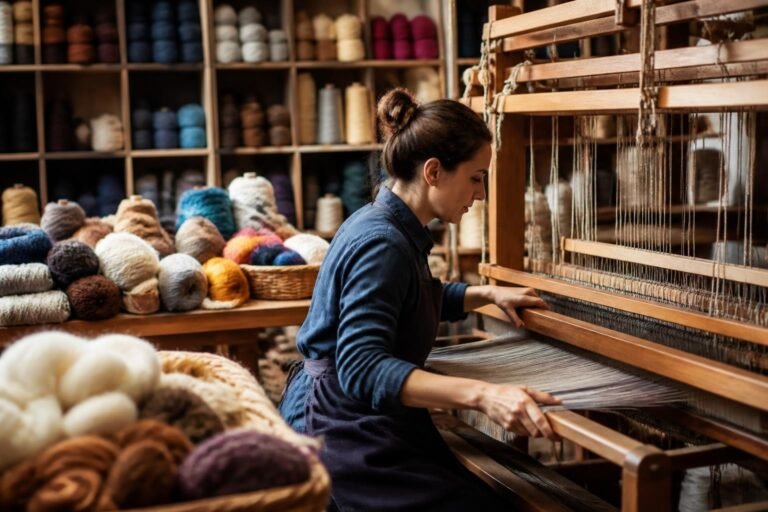
Linen and cotton are two of the most popular and beloved natural fibres in fabrics. Rooted thousands of years deep in history, culture and daily life – but which is better in comfort, durability and sustainability?
Some love cotton for its softness, others love linen for its durability and beautiful texture. Beyond the feel there is much to consider: how they are made, how long they last, their environmental impact and everything that sets them apart. Let’s get into the ultimate battle so you can make the best choice for your next clothing, bedding or home décor.
Linen is up to three times stronger, more breathable, faster-drying and far more sustainable; cotton is softer from day one, cheaper and lower-maintenance. For quality, longevity and the planet, linen takes the crown.
A look into their history
Each fabric carries lots of history, although linen is by far the older.
History of linen: among the oldest textiles
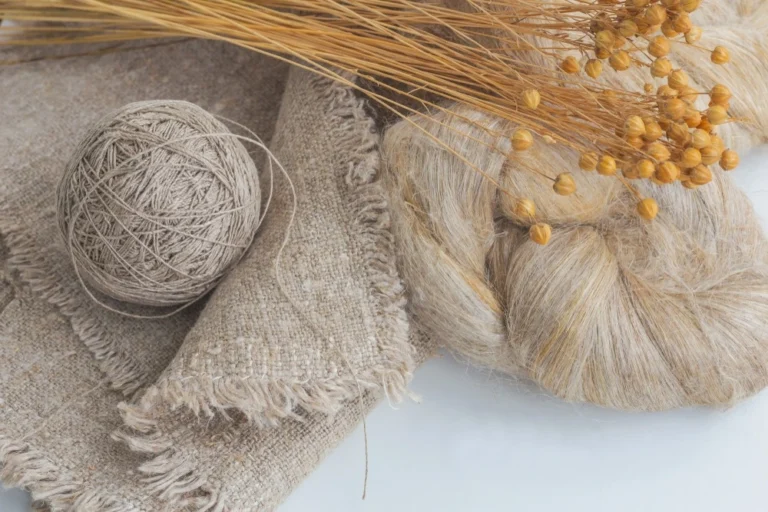
Linen is over 30,000 years old – one of the oldest textiles in the world. To ancient Egyptians, linen served for everything from garments to mummification wrappings and symbolised purity and wealth. Highly valued for its breathability in the heat, it has retained its luxury status to this day, associated with high-end fashion, quality home textiles and eco-sensitive consumers.
The story of cotton: the world’s most popular fabric
Though much younger than linen, cotton has been around for more than 5,000 years. Grown in ancient India, Egypt and Peru, it gained huge popularity during the Industrial Revolution when cotton mills enabled mass production. Its softness, affordability and versatility made it the world’s most commonly used fabric – from T-shirts and jeans to bed sheets and upholstery. But cotton’s environmental impact is much higher than linen’s, as we’ll see.
Find out more: Hemp vs linen: a sustainable showdown
Linen vs cotton: what sets them apart?
Both come from plants, but their fibres have different structures affecting texture, strength and performance.
1. Texture & feel: softness vs crispness
Cotton is soft, smooth and comfortable from day one. Linen is somewhat crisp when brand new but softens with wear – the more you wash it, the richer it feels, with a structured look of elegance. Verdict: instant softness → cotton; a fabric that improves with time → linen.
2. Durability & longevity
Linen is up to three times stronger than cotton: its long, tightly woven fibres resist wear and tear, while cotton degrades faster – clothes and sheets wear out sooner. Verdict: linen outlasts cotton, the better long-term investment.
3. Breathability & comfort
Linen is one of the most breathable fabrics on Earth – its hollow fibres allow complete aeration, making it the favourite for hot climates. Cotton is also breathable but releases moisture less well, cooling less in humid conditions. Verdict: linen wins, especially in warm climates.
4. Moisture absorption & drying time
Linen absorbs moisture and dries quickly – perfect for sweaty summer days, towels and bedding. Cotton retains moisture longer and can feel damp in humid weather. Verdict: linen dries much faster.
5. Wrinkling
Linen wrinkles fairly easily, but those wrinkles are part of its natural beauty – the relaxed, slightly rumpled look beloved in high fashion and home décor. Cotton wrinkles less, though 100% cotton still needs ironing to stay crisp. Verdict: relaxed luxury → linen; wrinkle-smooth → cotton.
Find out more: Linen vs wool: the complete guide
Ecological impact: which fabric is more eco-friendly?
On sustainability, linen is far and away the winner.
Linen’s environmental advantages
Flax requires very little water to grow, needs no pesticides since it thrives naturally in many climates, and linen’s longevity reduces textile waste.
Cotton’s environmental drawbacks
Cotton is among the most water-consuming crops – about 2,700 litres of water for enough cotton to make a single T-shirt. Conventional cotton farming applies heavy pesticides that harm ecosystems, and cotton wears out faster, contributing more waste to landfills.
If you are eco-conscious and looking for a fabric with lower environmental impact, linen is the better choice.
Which fabric is better for you?
Choose linen if you want:
- A durable, long-lasting fabric
- Superior breathability, especially in hot weather
- An eco-friendly, sustainable textile
- A fabric that gets softer and better with time
Choose cotton if you want:
- A soft, comfy fabric right from the beginning
- A budget-friendly and highly available textile
- Less wrinkling and easy maintenance
- A versatile material for everyday use
Final verdict: linen takes the crown
While cotton is the world’s most used fabric, linen is the better investment in quality, durability and sustainability. If you’re looking for a fabric that lasts for years, gets softer with time and is better for the planet, linen is the way to go.
Everything you need to know about linen vs cotton
?Which is more expensive, linen or cotton?
?Does linen shrink like cotton?
?Is linen better than cotton for summer?
?Does linen get softer over time?
?Which is better for bedding – linen or cotton?
?Is linen more high maintenance than cotton?
Our commitment is to sustainable, durable, beautifully made natural fibres that inspire your creativity. Contact us for more about our portfolio and how it can enhance your products.
The information on fibre length, retting and processing is based on El Nawawy’s own practice in cultivation and spinning since 1974. The textile testing standards mentioned are GOTS (Global Organic Textile Standard) and OEKO-TEX® – both are independent and can be verified with the respective certificate holder.
Price, quantity and delivery details are valid as of publication and are confirmed on request.