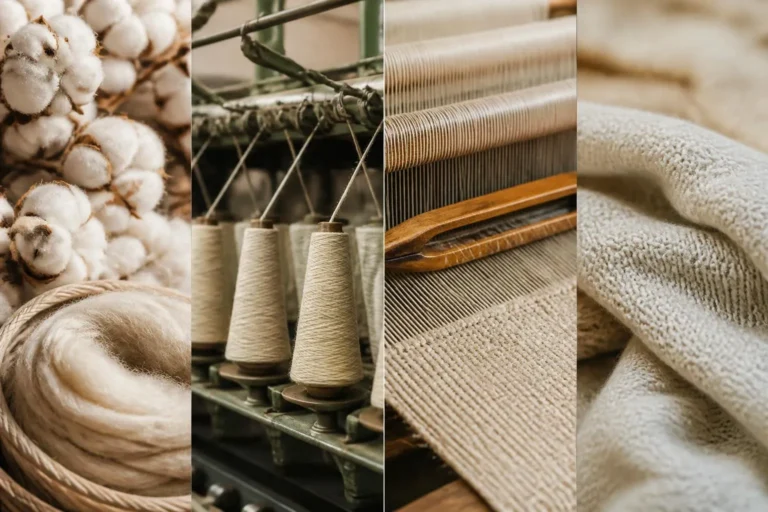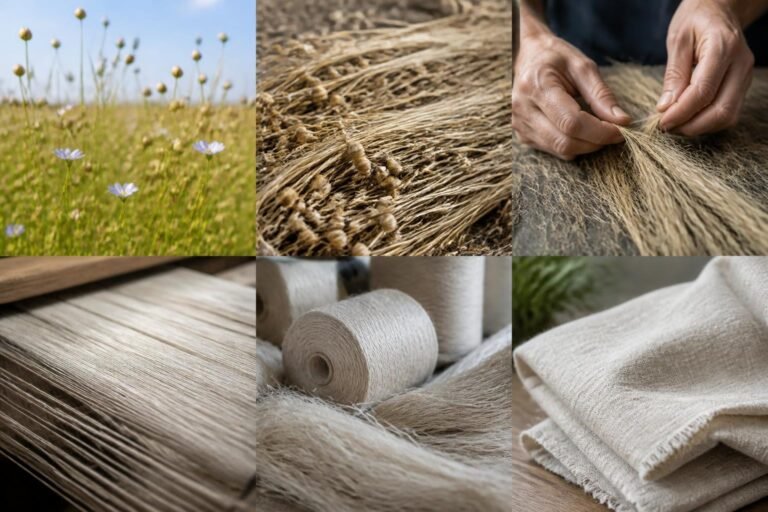
Hemp shoes never make lovers of sustainable, durable and comfortable footwear compromise. As the fashion industry turns towards eco-friendly materials, hemp is proving a game-changer: a natural, breathable and biodegradable fibre that presents a superior option over synthetics.
At El Nawawy, we produce high-quality, sustainable natural-fibre products so that every step taken creates a greener future – bringing comfort, style and eco-friendliness together for people who think with the world in mind.
Hemp fibres are naturally strong, moisture-wicking and odour-resistant, offering comfortable, durable footwear that benefits both the wearer and the planet – vegan, hypoallergenic, temperature-regulating and fully biodegradable.
The history of hemp shoes: a timeless classic
Did you know that hemp has been used for making shoes for over 2,000 years? Archaeologists have found ancient hemp shoes in China – proof that this durable material has long been a staple of human civilisation.
Originally, hemp’s applications were cloth and rope-making, but shoemaking found its place in the early 19th century. Today, with sustainable fashion on the rise, hemp shoes are making a comeback that brings tradition together with innovation.
What is industrial hemp?
Industrial hemp is quick-growing, non-invasive, requires minimal water and needs no pesticides. It is one of the most eco-friendly materials there is – which explains why it will be big in the future of sustainable fashion.
Compared to cotton, hemp fibres are strong and resilient – very good for shoes that face daily rigours. The material is also comfortable and well-ventilated, pleasant to wear all day.
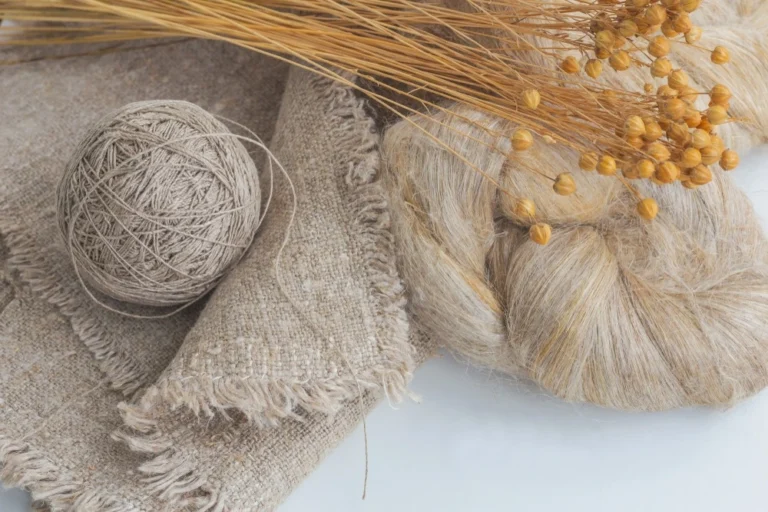
Find out more: Hemp vs linen
Hemp vs cannabis: what’s the difference?
Many people perceive hemp and marijuana to be the same. Though both come from the species Cannabis sativa, they differ in usage and chemical make-up:
- Hemp is grown with less than 0.3% THC – no psychoactive effect.
- Hemp is used for textiles, food and building materials.
- Marijuana contains significantly more THC and is used medicinally or recreationally.
- Hemp is fully legal in most countries – and footwear is arguably the most exciting application of the crop in modern eco-fashion.
The 12 benefits of hemp shoes
Find out more: The timeless appeal and benefits of hemp rope
Are hemp shoes good for health?
Many traditional shoes invite foot problems – blisters, fungal infections and excessive sweating. Hemp shoes are healthy for your feet: they let the feet breathe, support natural posture and prevent moisture build-up.
How are hemp shoes manufactured?
Hemp footwear is made in a genuinely sustainable process:
- Harvesting hemp fibres
- Weaving them into a strong fabric
- Manufacturing the upper part of the shoe
- Using recycled rubber or other biodegradable material for the soles
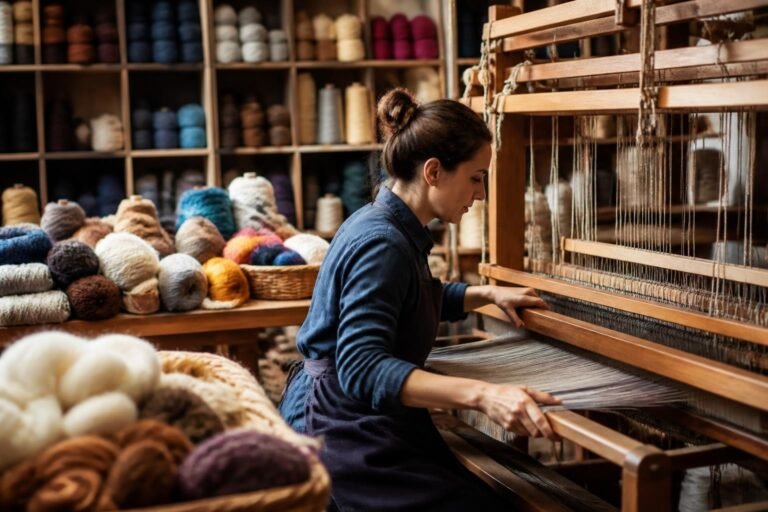
These processes cut down on environmental damage without compromising on quality. At El Nawawy Companies, we produce natural-fibre yarns and ropes in a wide range of thicknesses, twists and yarn counts from linen, hemp, jute and cotton – delivered on spools, balls, cones, dolls and dispensers, with colour and polishing customised on request.
Common questions about hemp shoes
?Are hemp shoes washable?
?Do hemp shoes stretch over time?
?Can I wear hemp shoes in the rain?
?Are hemp shoes expensive?
?Where can I purchase hemp shoes?
Choosing hemp means supporting eco-friendly fashion while enjoying unmatched comfort and style. Ask us about hemp yarns and fibres for your production.
The information on fibre length, retting and processing is based on El Nawawy’s own practice in cultivation and spinning since 1974. The textile testing standards mentioned are GOTS (Global Organic Textile Standard) and OEKO-TEX® – both are independent and can be verified with the respective certificate holder.
Price, quantity and delivery details are valid as of publication and are confirmed on request.