Hemp Yarn Guide: Quality, Uses and Benefits
Hemp yarn is a natural plant-based material used in textiles, weaving, crafts, packaging and industrial applications. This guide explains how it is made, where it performs best and how B2B buyers can choose the right specification for reliable production.
Hemp Yarn Article Navigation
Use this guide to understand fiber properties, applications, production steps and the main quality points to check before ordering.
What Is Hemp Yarn?
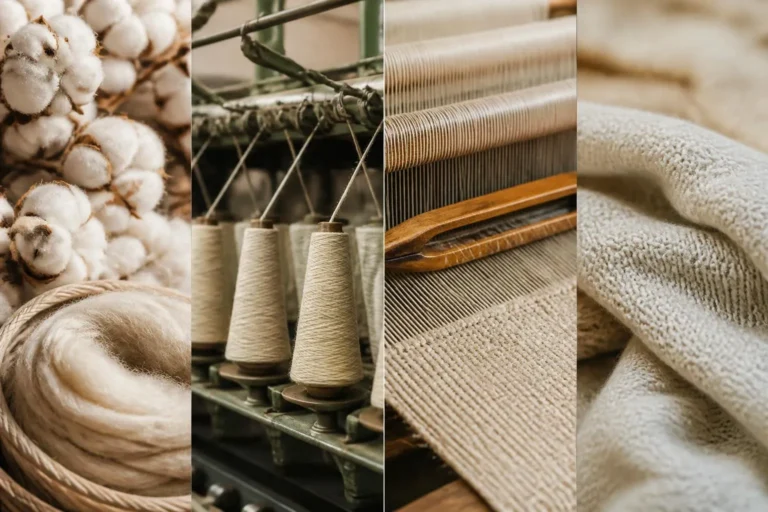
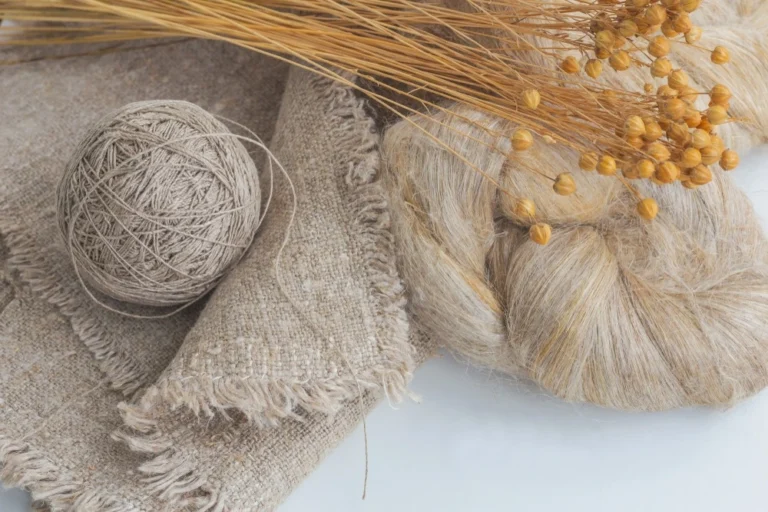
Hemp yarn is made from natural fiber extracted from the plant stalk. The fibers are cleaned, aligned and spun into a continuous thread. Depending on the intended use, the final material can be supplied in different counts, twist levels, ply structures, colors and package formats.
For B2B buyers, hemp yarn offers a balance of strength, firm texture and sustainable material identity. It is used by textile producers, craft brands, packaging buyers and manufacturers that need a renewable fiber with a clear natural appearance.
Main Characteristics
- Natural bast fiber structure with a firm touch.
- Suitable for weaving, craft, textile and light industrial applications.
- Available in different counts, twists and winding formats.
- Strong rustic appearance for eco-focused product lines.
- Can be used alone or blended with linen, cotton or other fibers.
Best Buyer Fit
- Textile mills needing natural fiber yarn.
- Craft brands selling macramé, crochet or handmade products.
- Packaging companies looking for natural tying materials.
- Industrial buyers needing stable yarn or twine specifications.
- Export buyers needing samples, documentation and repeat quality.
How This Natural Yarn Is Made
Production must protect the natural strength of the fiber while improving cleanliness, alignment and spinning consistency.
Harvesting the Stalk
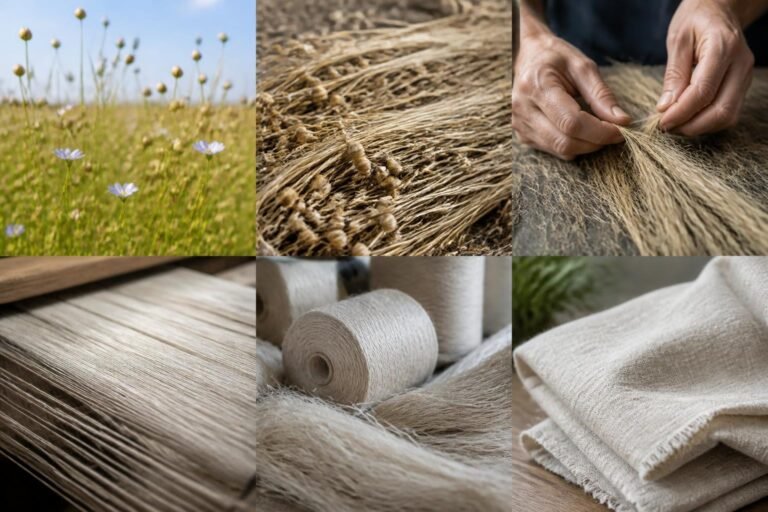
The plant is harvested when the stalk contains usable bast fiber. The quality of the stalk affects fiber length, cleanliness and final performance.
Retting and Fiber Separation
Retting helps separate the fiber from the woody core. Correct processing improves separation, while poor processing can create weak, dirty or inconsistent material.
Cleaning, Opening and Alignment
The fibers are cleaned, opened, combed and aligned. This stage improves spinning behavior and helps produce a more regular thread.
Spinning and Winding
The prepared fibers are twisted into yarn and wound into the required package. Final quality depends on raw fiber, count, twist level, ply structure and winding quality.
Benefits of Hemp Yarn
Hemp yarn is selected when buyers need a natural material with strength, breathable textile behavior and a strong sustainability message.
Durable Natural Fiber
It is known for strength and long service life, making it useful for products that need structure and durability.
Breathable Textile Feel
When the right count and fabric construction are selected, the material can support breathable and comfortable textile products.
Eco-Friendly Positioning
Plant-based yarn supports product lines built around natural materials, renewable fibers and plastic reduction.
Industrial Versatility
It can serve textile, craft, agriculture, packaging, décor and industrial tying applications depending on its specification.
Natural Appearance
Undyed material gives an authentic rustic appearance suitable for eco-conscious, handmade and natural product categories.
Blend Potential
It can be blended with cotton, linen or other fibers to balance strength, touch, flexibility, appearance and cost.
Hemp Yarn Uses by Industry
The best specification depends on the final product, production method and required balance between strength, softness, appearance and cost.
Textiles and Apparel
Used in natural textile projects where durability, fiber identity and breathable fabric behavior are important.
Weaving and Fabric Production
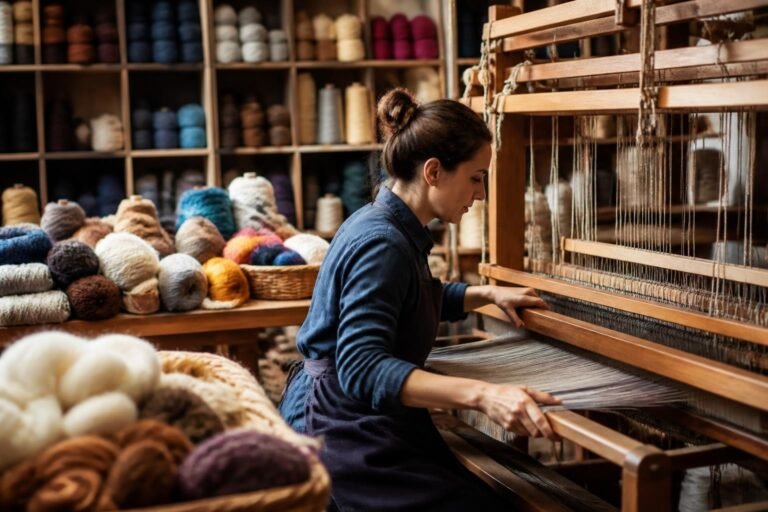
Hemp weaving yarn can support natural fabrics, upholstery, décor textiles and specialty woven goods.
Crafts and DIY Products
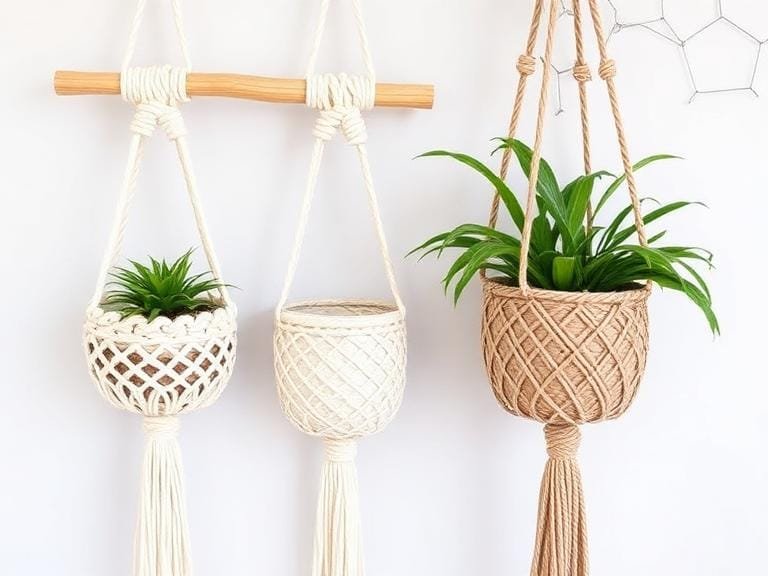
Craft buyers use this material for macramé, crochet, handmade décor, jewelry, plant hangers and natural creative products.
Packaging and Tying
The yarn or stronger twine versions can be used for packaging, bundling, labels, tags and eco-friendly tied goods.
Agriculture and Horticulture
Natural plant fiber products can be used for plant support, garden tying and horticultural applications where biodegradability is preferred.
Furniture and Upholstery
Heavier natural yarns and cord forms can support upholstery, decorative stitching and interior textile products.
Hemp Yarn vs Hemp Cord vs Hemp Rope
These three terms are related, but they serve different search intents and product requirements.
Yarn
Best for textile production, weaving, craft yarn uses, knitting, lightweight tying and B2B sourcing.
Cord
Best for macramé, jewelry, decorative tying, handmade goods and thicker craft applications.
Rope
Best for heavier applications where larger diameter, rope handling or stronger construction is required.
How to Choose High-Quality Hemp Yarn
High-quality material should be selected according to the application, not appearance alone. Define the final use before confirming the specification.
For Textile Mills
Focus on count, twist, strength, cone winding, regularity and compatibility with weaving or knitting machines.
For Craft Brands
Focus on touch, visible texture, natural color, retail packing format and stable repeat-order quality.
For Packaging Buyers
Focus on tensile behavior, abrasion resistance, knot holding, spool size and cost per meter.
For Export Buyers
Focus on sample approval, export packing, documentation, communication and long-term consistency.
Choosing a Hemp Yarn Supplier
A reliable supplier should understand natural fiber behavior and industrial production needs. Before ordering, confirm count, ply, twist, color, winding format, packing method and quality-control process.
Ask Before Ordering
- What count and ply options are available?
- Can hemp yarn samples be supplied before bulk production?
- Is the material suitable for weaving, craft, packaging or industrial use?
- What packaging format is available for export?
- How is consistency checked between batches?
Why Work With El Nawawy
El Nawawy Company manufactures and exports natural yarns, twines and fiber-based products. Our experience in linen, hemp, cotton and industrial yarn products helps buyers choose practical specifications for real production use.
Learn more about our quality standards and our spinning process.
Related Natural Fiber Guides
Continue through the hemp, yarn and natural fiber cluster without mixing the search intent of each page.
Technical Research on Hemp Fiber
Textile research discusses hemp fiber in relation to breathable textile behavior, thermal comfort and moisture response. For buyers developing technical or comfort-focused products, it is important to test the selected material under real production and end-use conditions.
Reference: Thermal comfort properties of hemp-based biodegradable textiles.
FAQ
Is hemp yarn good for weaving? +
Is it the same as hemp cord? +
What is this material used for? +
Is this natural yarn eco-friendly? +
How do I choose it for industrial use? +
Need Natural Yarn Specifications?
Contact El Nawawy Company for hemp yarn guidance, samples, export packing information and technical specification discussion for textile, craft, packaging or industrial applications.