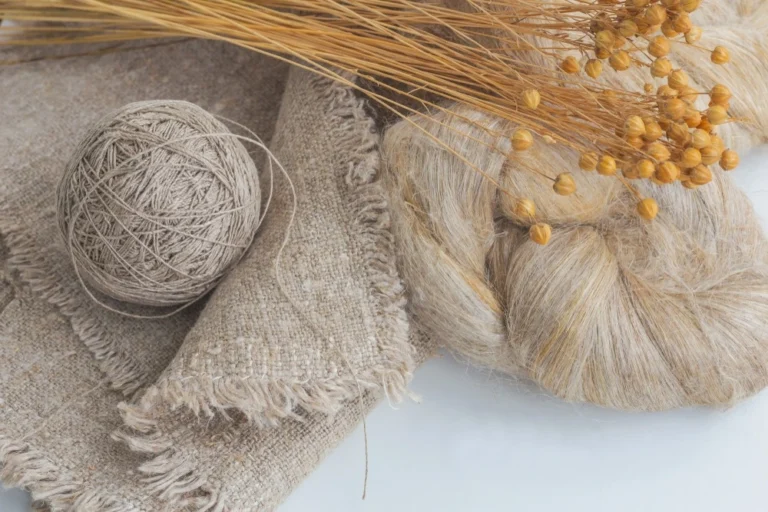
The best linen yarn for knitting is made from the fibres of the flax plant, obtained from its stem. Flax fibres are bast fibres – strong, lightweight, breathable, absorbent and durable. Knitting and crocheting with linen and linen-blend yarns are popular for a wide variety of projects.
Linen is roughly three times stronger than cotton, naturally antibacterial and antifungal, and develops a beautiful relaxed drape. It softens with every wash – making it the ideal yarn for summer garments, shawls, bags and home accessories.
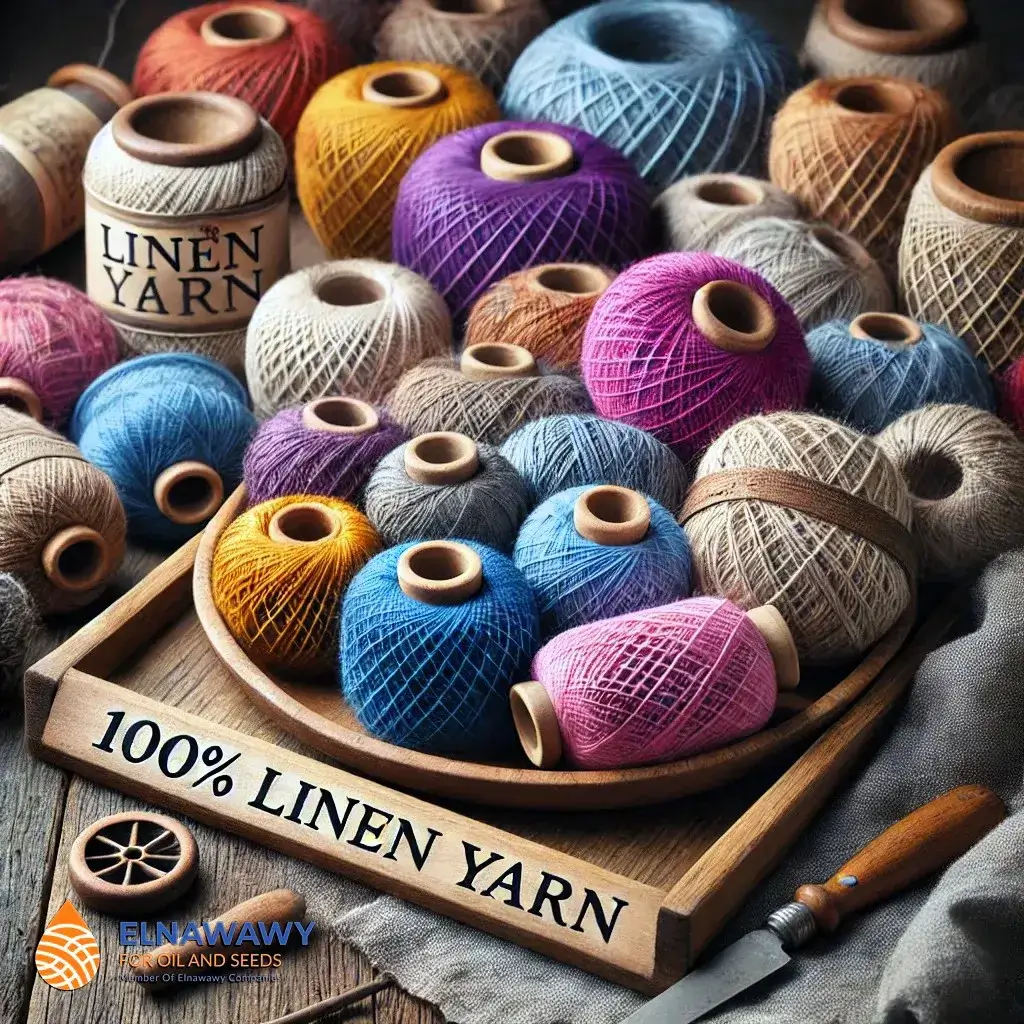
100% linen yarn
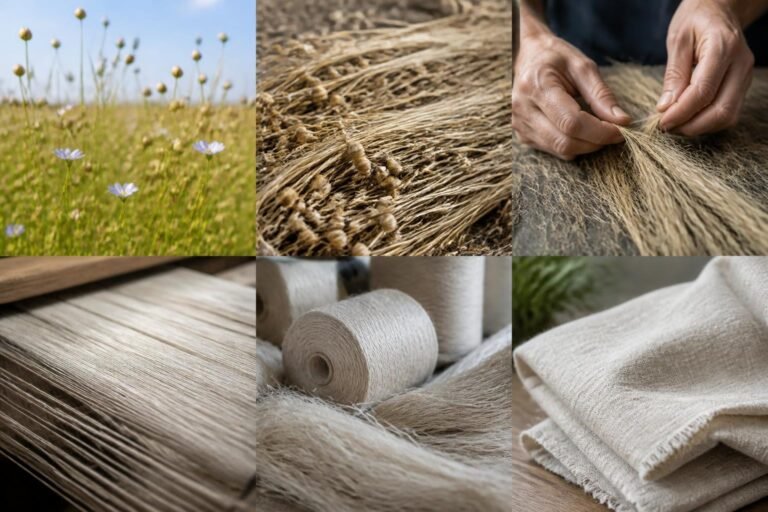
Linen has a great heritage – its history dates back thousands of years, and it has maintained its strength to this day. Linen is extracted from the stalk of the tall flax plant; its fibres are about three times stronger than cotton, though less strong than silk.
Linen is characterised by a long production process, which contributes to making it the best fabric for lightweight garments with a lustrous sheen – perfect for knitting summer clothes. Its natural antifungal and antibacterial properties make it even more desirable. It’s no surprise linen has existed for so long.
A vibrant colour selection of natural, lightweight linen yarn is available. Men’s jackets, between-season waistcoats and openwork jumpers all look refreshed and summery in 100% linen. Pure linen also offers a soft feel and relaxed drape, which makes it ideal for elegant, easy-to-wear summer knits – and a wonderful yarn for bags, hats and decorative cushions.
Find out more: Linen butcher’s kitchen twine: 5 irresistible benefits
Knitting with linen yarn
As summer approaches, it’s the best time to plan what to knit and wear during the sunny months. Linen is an especially beautiful fibre for those who knit throughout the year – wear it when it becomes too hot for full wool.
Some tips to help you knit with linen yarn:
- Hold a little extra tension, as linen is a slippery yarn.
- Use wooden needles for better grip.
- Use duplicate stitch to weave in ends securely.
- Adjust the way you hold the yarn until it flows evenly.
- Take pauses – linen has no stretch, so hands tire faster.
Linen brings many properties that make it perfect for summer clothing:
- Gentle and soft
- Durable
- Moisture-wicking
- Cooling
- Easy to clean and care for
- Antibacterial
Because linen produces an unparalleled drape, it is particularly suitable for summer clothing – you can keep cool wearing a linen top over a linen dress or camisole. Many people think linen yarn is rough; in truth it depends on the specific yarn, and most linen becomes noticeably softer after washing. Feel the yarn and choose the softest one.
Linen is easy to clean and machine-washable: use a gentle cycle and dry flat to keep the pattern – leaving it in the machine causes wrinkles.
Find out more: 7 irresistible reasons to love natural linen yarn
Linen yarn knitting patterns
El Nawawy Company can provide all patterns and types of linen. Popular projects for linen yarn include:
Shawls and wraps
In this type, your stitches will look their best. Linen produces the loveliest drape, and because it is lightweight and airy, it is perfect for knit accessories worn over the shoulders.
Fashion scarves
You can knit beautiful fashion scarves just like shawls. Linen is not the warmest fibre for deep winter – but if you want to accessorise your outfit with an elegant scarf that never makes you sweat, linen is the one.
Loose sweaters and tees
Although linen is not an elastic yarn, it is the best choice for flowy, drapey sweaters and tees – a relaxed boho look that keeps you comfortable in hot weather.
Bags and purses
Linen is sturdier than cotton for bags: it withstands almost anything you throw at it and resists damage and tearing. And since linen is washable, a spill in the bottom of the bag is no cause for worry.
Find out more: 7 reasons Egyptian linen is a benchmark of quality
Worsted linen yarn
Because of its versatility, worsted linen yarn is popular among knitters and crocheters. Worsted weight is frequently identified by a number 4 on the yarn label and falls in the centre of the yarn-weight family.
Many people assume "yarn weight" refers to how heavy the yarn is – it actually describes the thickness of the strand, which is crucial when choosing yarn for a project.
Worsted linen yarn is loved by knitters, crocheters, weavers and textile artists for its ease of handling. Its adaptability makes it ideal for a wide range of tasks: afghans, handkerchiefs, caps, toys and home décor.
Its main advantages make it an excellent option for novices and professionals alike:
- Durability: the thread withstands a lot of wear and tear, so your work endures the test of time.
- Cost-effective: one ball of worsted-weight yarn covers a wide range of crafts.
- Many projects: thanks to its popularity, countless designs, kits and patterns exist for this weight.
El Nawawy Company offers a variable selection of yarns for many different projects – including the best linen yarn for knitting.
Frequently asked questions about linen yarn
?What is the best linen yarn for knitting?
?Is linen yarn difficult to knit with?
?Does linen yarn soften over time?
?Which projects suit linen yarn best?
?What is worsted linen yarn used for?
Send us yarn count, colour, quantity and destination – we’ll recommend the right linen yarn for your knitting or crochet production.
The information on fibre length, retting and processing is based on El Nawawy’s own practice in cultivation and spinning since 1974. The textile testing standards mentioned are GOTS (Global Organic Textile Standard) and OEKO-TEX® – both are independent and can be verified with the respective certificate holder.
Price, quantity and delivery details are valid as of publication and are confirmed on request.