For a long time the tide has been turning towards sustainability and eco-friendliness in the fashion and textile industries. Two natural fibres have emerged at the forefront: hemp and linen. Both have been in use for many centuries and boast strength, versatility and eco-friendly qualities – yet despite these similarities, they show striking differences that continue to shape their uses.
This article looks in depth at the comparison between hemp and linen: production, history, properties, environmental impact and their recent role in sustainable applications.
Both are bast fibres obtained by retting: hemp is longer, thicker and more rugged; linen smoother and crisper. Both are breathable, durable, biodegradable, hypoallergenic and dye well. Hemp edges ahead on water use and carbon sequestration; linen remains the synonym for luxury and comfort.
How the fabrics are made
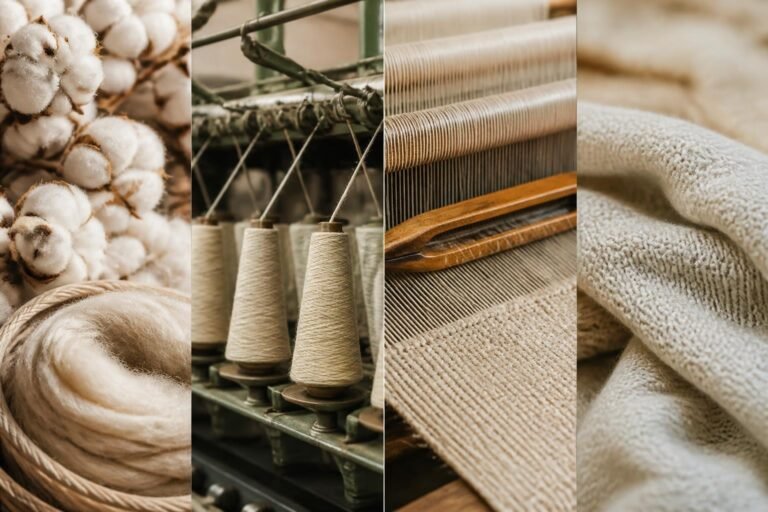
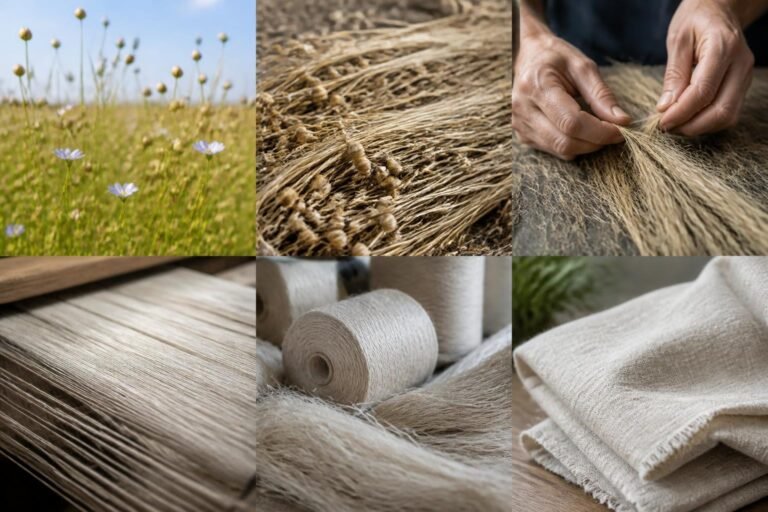
Bast fibres obtained from the stalks of the hemp plant (Cannabis sativa) and the flax plant (Linum usitatissimum) form the origin of hemp and linen fabrics. They are released through retting, whereby the plant material is submerged in water; the fibrous outer layer of the stalk then undergoes several processes to become fabric. The production reveals key differences in texture, softness and sustainability.
Hemp fabric
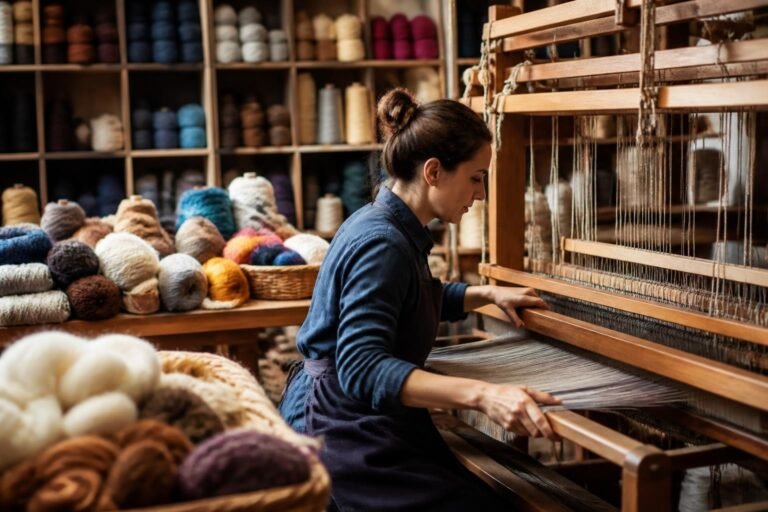
Hemp fabric is woven from fibres that are generally longer, thicker and more rugged than flax. It usually has a coarser texture, though modern manufacturing has made hemp fabrics much softer and comfortable to wear. The processed fibres are spun into yarn and woven into fabrics for garments, accessories and other textiles – and hemp requires no pesticides, as it is naturally pest-resistant.
Linen fabric
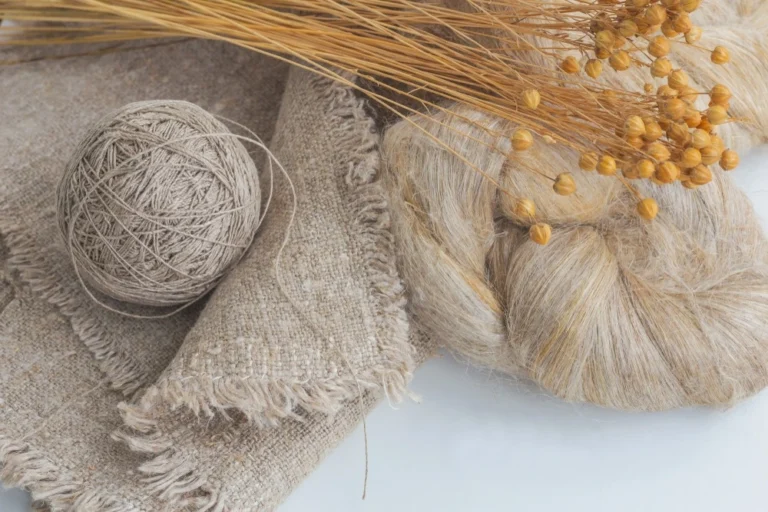
Linen comes from the flax plant, processed much like hemp: fibres are retted, spun into yarn, then woven. Linen is generally smoothly and crisply textured, prized for its cool feel and elegant drape.
Find out more: 12 reasons to choose hemp shoes
Hemp vs linen: a brief background
Hemp was cultivated over 10,000 years ago for textiles, ropes, paper and even sails – its toughness made it a vital material through the ages. Industrial hemp cultivation was severely restricted for decades in the United States; only after the 2018 Farm Bill lifted the ban did hemp textiles re-emerge as a fashionable, ecologically conscious alternative to synthetics.
Linen boasts an even richer heritage: ancient Egyptians, Romans and Greeks wore it, slept under it and wrapped wounds with it. Extremely cooling, it historically represented wealth and royalty. The coming of synthetic fibres in the 20th century set production back, but the inclination toward sustainability is powering its strong comeback.
Find out more: 7 irresistible reasons to love natural linen yarn
Common features of hemp and linen fibres
Hemp and linen originate from different plants but share many features, especially in physical properties and ecological friendliness:
- Natural & breathable: both are highly breathable, well suited to hot climates – air passes through the material and prevents heat build-up.
- Durable: hemp is one of the strongest natural fibres and does not tear easily; linen is strong but wrinkles more. Well cared for, both last years, even decades.
- Break in comfortably: both are rather stiff initially but soften considerably with repeated use and washing.
- Biodegradable and recyclable: unlike polyester or nylon, which take centuries to decompose, both break down naturally.
- Hypoallergenic & antibacterial: ideal for sensitive skin; neither supports the growth of bacteria and fungi, reducing unwanted smells.
- Dyeability: both dye well across a wide colour gamut, from vivid to pastel shades – for fashion and interior textiles alike.
Diverse products & applications
Applications of linen
- Fashion: light and airy – ideal for summer shirts, dresses, trousers, skirts and jackets that absorb moisture and keep you cool.
- Home textiles: bedding and tableware combining strength with grace; breathable, temperature-regulating sheets and absorbent, stain-resistant tablecloths, napkins and towels.
- Interior design: cushions, curtains and upholstery that bring a fresh, country feel indoors – especially in minimalist or Scandinavian themes.
Applications of hemp
- Fashion: a sustainable alternative to cotton and synthetics – durable T-shirts, jeans, jackets and dresses with natural UV resistance for outdoor wear.
- Accessories: handbags, wallets, belts and shoes with a tough but stylish look.
- Home textiles: towels, bed linens and rugs; natural resistance to mildew and mould suits moist areas like bathrooms and kitchens.
- Sustainable building materials: hemp stalks mixed with lime form "hempcrete", an environmentally friendly construction alternative.
Find out more: Best linen yarn for knitting
Environmental impact: hemp vs linen
Both fibres are friendly to the environment, but they contribute towards sustainability in different ways.
Hemp’s impact on the environment
- Water efficiency: hemp thrives with minimal water – roughly half of what cotton needs.
- Soil health: deep roots prevent erosion and improve soil structure, with fewer chemical inputs than cotton – great for organic farming.
- Carbon sequestration: fast growth absorbs large amounts of CO₂, reducing greenhouse gases.
- No pesticides: naturally pest-resistant, unlike crops that need chemical protection.
Linen and the environment
- Water usage: flax requires much less water than cotton, though it needs a temperate climate.
- Soil health: like hemp, flax roots break up the soil and create better structure, preventing erosion.
- Biodiversity: flax cultivation can support biodiversity, especially under organic conditions – more habitat diversity than cotton monoculture.
- Pesticides: flax can be more pest-susceptible if not grown organically, but is often grown sustainably with fewer chemical inputs than most textile crops.
Find out more: Linen: 10 must-know tips to transform flax into luxury
Fabrics of the future
Looking ahead, hemp and linen will be two of the most important fabrics of the future as consumers demand greener products. Innovations in both materials are producing more comfortable, durable and versatile fabrics.
Hemp plays a growing role in sustainable construction, biodegradable packaging and eco-friendly fashion, while linen remains a synonym for luxury and comfort. Both fibres carry huge potential to make the textile industry more sustainable and responsible – not only rivals but complementary partners in a sustainable future.
FAQs about hemp vs linen
?Is hemp fabric softer than linen?
?Is hemp more durable than linen?
?How does hemp stand against linen on the sustainability aspect?
?Is hemp and linen fabric good for sensitive skin?
?Which fabric is better for hot weather - Hemp vs Linen?
?How easily can hemp and linen fabrics be dyed?
?Are hemp and linen fabrics biodegradable?
?Does hemp fabric find its application area like that of linen?
?Is hemp fabric eco-friendly in terms of production?
For samples, bulk orders or technical specifications, contact El Nawawy Company to discuss custom options and delivery to your region.
The information on fibre length, retting and processing is based on El Nawawy’s own practice in cultivation and spinning since 1974. The textile testing standards mentioned are GOTS (Global Organic Textile Standard) and OEKO-TEX® – both are independent and can be verified with the respective certificate holder.
Price, quantity and delivery details are valid as of publication and are confirmed on request.