Hemp Rope vs Jute Rope for Real-World Use
Hemp rope vs jute rope is not just a style question. It is really a choice between higher strength and longer service life on one side, or lower cost and a softer decorative look on the other. If you need a rope for packaging, gardening, retail presentation, craft work, or heavier-duty handling, the right answer depends on how the rope will actually be used.
This guide keeps the comparison simple. You will see where hemp usually performs better, where jute makes more sense, and how to choose the better fit for budget, appearance, durability, and day-to-day handling.
What really changes in hemp rope vs jute rope?
At a glance, both materials look natural, earthy, and versatile. That is why buyers sometimes treat hemp rope vs jute rope as if the difference is small. In practice, the gap becomes obvious once the rope is used in real conditions.
Hemp rope generally feels more robust. It handles heavier tasks better, resists wear more confidently, and tends to stay useful longer. Jute rope usually feels more lightweight and more decorative. That makes it attractive for packaging, displays, gift presentation, and lighter tying tasks where appearance matters as much as performance.
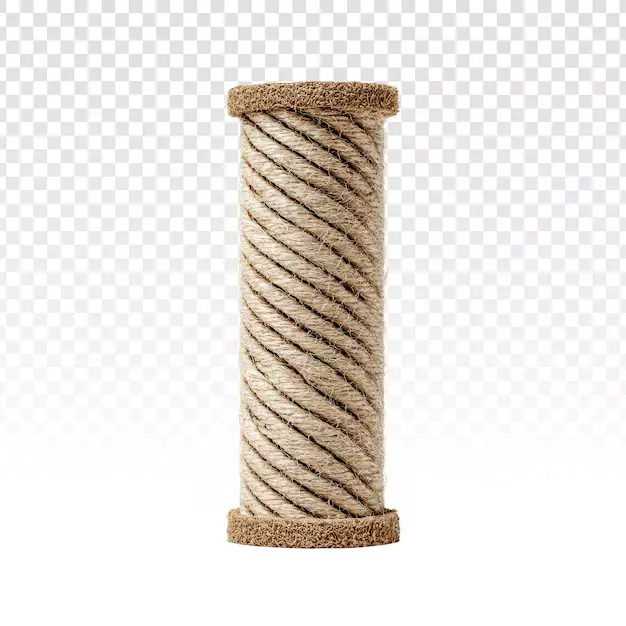
A cleaner side-by-side view of hemp rope vs jute rope
Usually the stronger choice for heavier work, tighter tying, and situations where long-term reliability matters.
Good for lighter jobs, but usually not the first pick when heavier loads or repeated stress are involved.
Tends to last longer in demanding environments and usually keeps its value better over time.
Works well for short-term or light-use tasks, but usually wears out faster under rough handling.
More work-oriented in feel, with a rugged natural appearance that suits utility-focused use.
Often chosen for decorative packaging and crafts because the surface feels visually warm and naturally rustic.
Usually costs more up front, but may offer better value when durability reduces replacement frequency.
Usually the more economical choice for bulk decorative or light-duty applications.
Better for agriculture, outdoor work, practical tying, heavier packaging, and applications where performance leads the decision.
Better for crafts, retail presentation, floral work, wrapping, event styling, and other visually led uses.
When hemp is the better choice
Heavier-duty handling
If your rope will be pulled, tightened, handled often, or used in more demanding day-to-day conditions, hemp usually offers the more confident answer.
Longer service life
In many hemp rope vs jute rope buying decisions, the higher initial cost of hemp is balanced by better longevity.
More practical than decorative
When function matters more than softness or gift-style presentation, hemp often becomes the more sensible working material.
For readers who want a wider material overview, you can continue with our benefits of hemp rope guide or the more practical hemp cord guide.
When jute makes more sense
Retail packaging and visual display
Jute is often selected when the rope is part of the product presentation itself. It works well for wrapping, tags, store displays, floral tying, and gift-ready finishes.
Craft and DIY projects
In many craft-led situations, hemp rope vs jute rope comes down to mood and finish. Jute usually feels more decorative and more budget-friendly for creative work.
Sustainability, sourcing, and the material story
Both materials belong to the wider world of natural bast fibres and both can support more natural-looking, lower-plastic product decisions when they are matched to the right application. That is one reason the hemp rope vs jute rope discussion keeps returning in packaging, craft, and industrial buying.
The better environmental choice is often the one that fits the job properly. A rope that lasts longer and needs fewer replacements may be the better practical decision, while a lighter, lower-cost rope may still be the right choice where the load is low and the visual finish matters more.
If you want to compare another nearby natural-fibre choice, see our article on hemp vs linen.
Buyer questions about hemp rope vs jute rope
Hemp rope is usually the stronger option. In most hemp rope vs jute rope comparisons, hemp is the safer choice for heavier-duty work, tighter tying, and longer-term use.
Very often, yes. Jute rope is commonly preferred where the rope supports presentation, wrapping, event styling, decorative display, or lighter craft projects.
In rougher use, hemp usually lasts longer. That is why buyers comparing hemp rope vs jute rope for working applications often end up choosing hemp despite the higher price.
The better option depends on the job. If your goal is lower upfront cost and decorative use, jute can be attractive. If your goal is stronger performance and fewer replacements, hemp may offer better long-term value.
Need help choosing the right natural rope?
If you are comparing hemp rope vs jute rope for bulk supply, packaging, industrial work, or a more specific end use, send your required diameter, application, and quantity. A clear recommendation is much easier when the rope’s real job is known.