Difference Between Linen and Flax
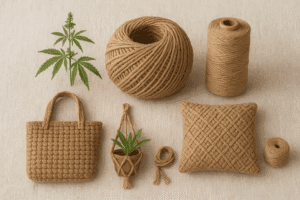
The difference between linen and flax is simple but important: flax is the plant, while linen is the finished textile made from processed flax fibers. Although the two terms are often used interchangeably, understanding the difference between linen and flax helps explain how natural flax becomes premium fabric, yarn, and twine for everyday and industrial use.
For a botanical overview of flax and its scientific classification, see Britannica’s flax reference. For a concise explanation of how linen is made from flax fibers, see Britannica’s linen overview.
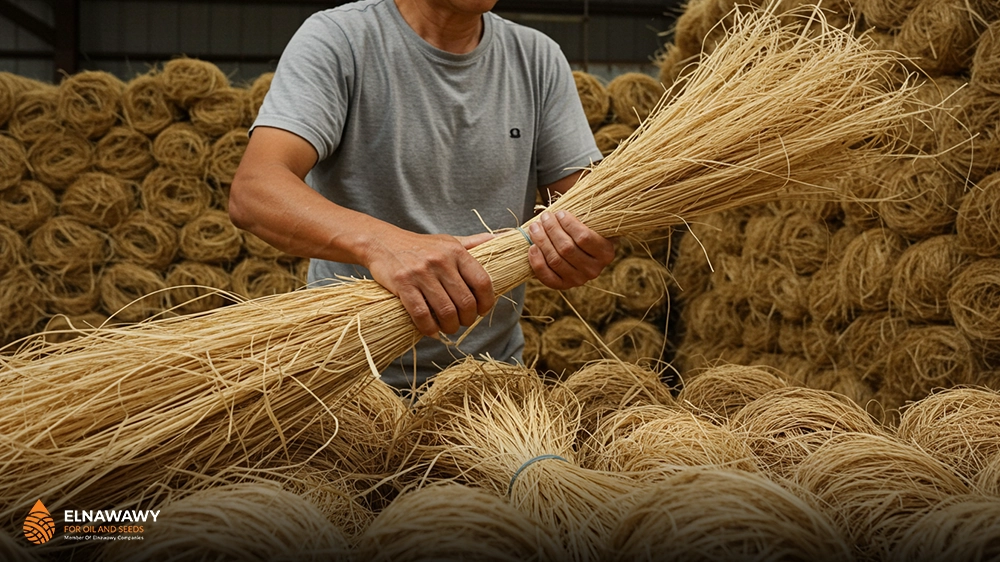
Table of Contents
Jump to a section
What Is Flax?
Flax is a flowering plant, scientifically known as Linum usitatissimum, valued for both its strong fibers and nutritious seeds. The plant is used in textiles, food, oil production, and natural-fiber applications, making flax one of the most versatile crops in the textile world.
Related internal reading: Flax Fiber for Textile and Wet Spun Linen Yarn.
What Is Linen?
Linen is the textile made from fibers extracted from the inner part of the flax stalk. After retting, breaking, scutching, heckling, spinning, and weaving, these fibers become linen fabric or linen yarn known for durability, breathability, and a natural refined texture.
Explore more: Linen and Natural Linen Yarn.
What Is the Difference Between Linen and Flax?
In simple terms, flax is the raw agricultural source, while linen is the processed textile result. This distinction matters in manufacturing, sourcing, and product selection because the difference between linen and flax affects how buyers describe fibers, yarns, fabrics, and finished products.
Flax
Linen
From Flax to Linen: The Production Process
Flax is cultivated and carefully pulled at harvest to preserve maximum fiber length.
Natural moisture or water helps break down pectin so the fibers can separate from the stem.
The woody stem is broken and cleaned away, leaving usable flax fibers.
The fibers are combed, aligned, and cleaned to prepare them for spinning.
The processed fibers are spun into yarn and woven or twisted into linen-based products.
You may also like Flax Yarn for fiber-to-yarn context.
Flax in History & Today
Flax is one of the oldest fiber plants used by humans and has played an important role in textiles for thousands of years. In ancient Egypt, linen symbolized purity, value, and refinement. Today, flax and linen still stand out for their natural appeal, durability, and sustainable potential.
Compare related material choices in Linen vs Cotton.
Applications of Flax & Linen
Flax Applications
- Ropes, sacks, and natural-fiber crafts
- Flax seeds and nutritional products
- Linseed oil for industrial and consumer uses
- Raw fibers for spinning, insulation, and specialty materials
Linen Applications
- Apparel, sheets, and home textiles
- Table linens, napkins, and premium household use
- Bookbinding, insulation, and technical textile use
- Linen thread, yarn, cord, and decorative applications
Why Linen Is Special
- Strength & Durability: Linen is among the strongest natural textile fibers and can last for years with proper care.
- Temperature Regulation: It feels breathable in warm weather and comfortable across seasons.
- Moisture Management: Linen absorbs moisture well while remaining comfortable to wear or use.
- Natural Comfort: Its texture, breathability, and low static make it popular in both fashion and interiors.
- Sustainable Potential: Flax-based linen is widely valued as a more environmentally conscious textile choice.
For product-side examples, see Wet Spun Linen Yarn and Linen Butcher’s Kitchen Twine.
Care & Sustainability
Care
- Wash: Use a gentle cycle and mild detergent, and avoid harsh bleach.
- Dry: Air drying is ideal, though low heat can also be used carefully.
- Iron: Linen can be ironed for a crisp finish or left with its natural texture.
Sustainability
- Flax can be a relatively low-input crop compared with many other textile sources.
- Linen is biodegradable and valued for durability, which supports longer product life.
- Responsible sourcing and production can make linen a strong sustainable textile option.
Final Thoughts on the Difference Between Linen and Flax
The difference between linen and flax comes down to origin and processing: flax is the plant, while linen is the refined textile created from flax fibers. Understanding the difference between linen and flax helps buyers, manufacturers, and textile professionals choose the right material for fabrics, yarns, twines, and sustainable product applications.
El Nawawy Company: Tradition & Innovation
El Nawawy Company has more than 50 years of experience in flax and linen, offering a broad range of yarn and twine products for Egypt and international markets with a strong focus on quality, consistency, and craftsmanship.