Hemp rope is proof that nature is the best engineer. Associated with strength, durability and sustainability that synthetic materials rarely match, it has earned its place in workshops, harbours and homes for thousands of years.
What makes it historically important? Its many uses across industries and its environmentally friendly character are the primary reasons. This article covers the evolution, rare properties, practical modern uses and ecological impact of hemp rope – and shows why it remains such a healthy option for the present and the future.
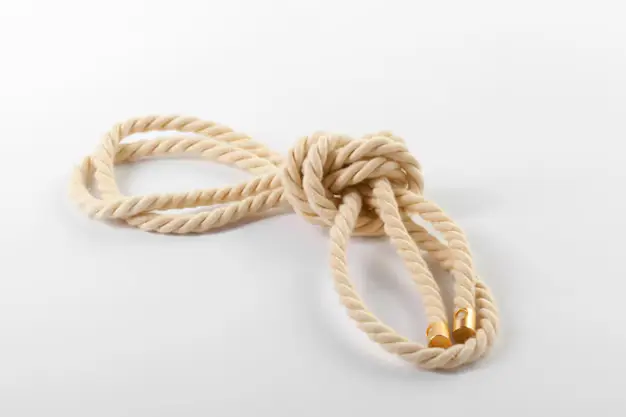
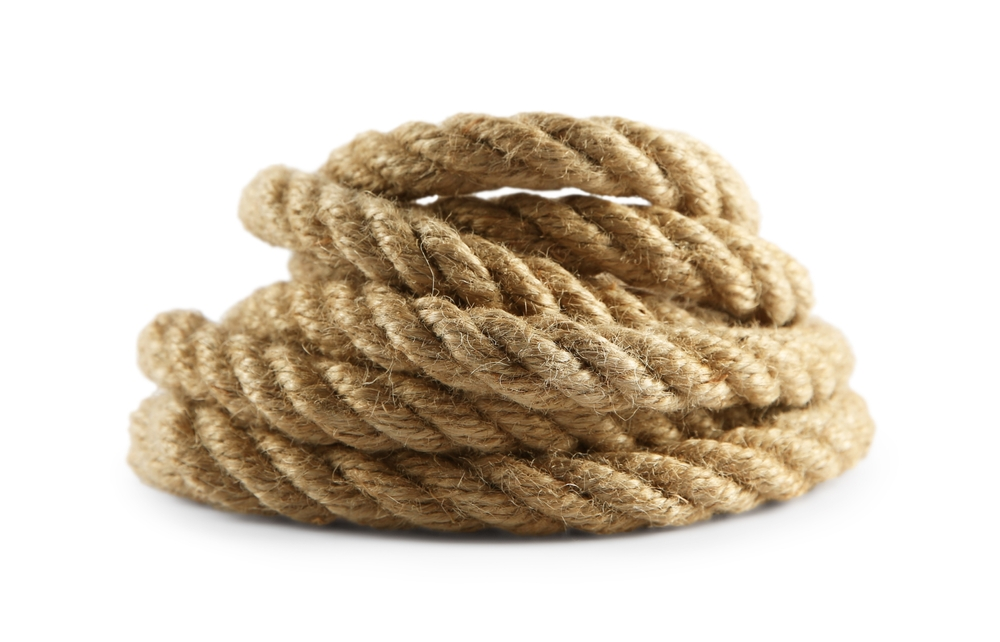
Hemp rope is spun from the bast fibres of industrial hemp. It combines high tensile strength with natural resistance to UV light, mould and mildew, is grown with little water and no pesticides, and is fully biodegradable – unlike synthetic ropes, it leaves no microplastics behind.
What is hemp rope made from?
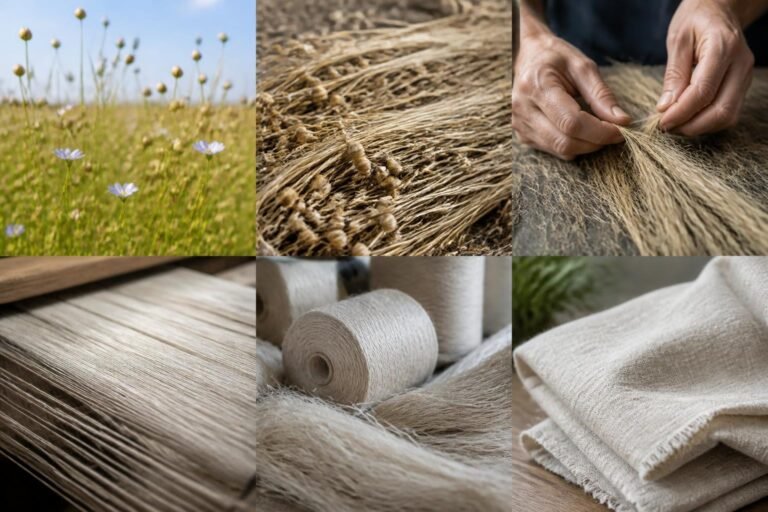
Hemp rope is made from the long, stiff fibres of the Cannabis sativa plant – industrial hemp:
- Industrial hemp is cultivated for the stalk, which contains bast fibres.
- Bast fibres are stiff, cellulose-based strands that grow between the woody core and the plant’s exterior bark.
- They are released by a process called retting, which uses microbial activity and water to break down the plant’s pectin.
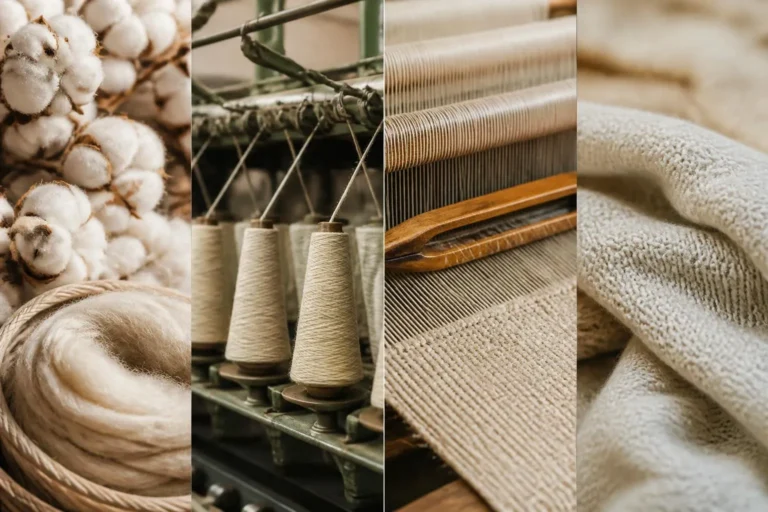
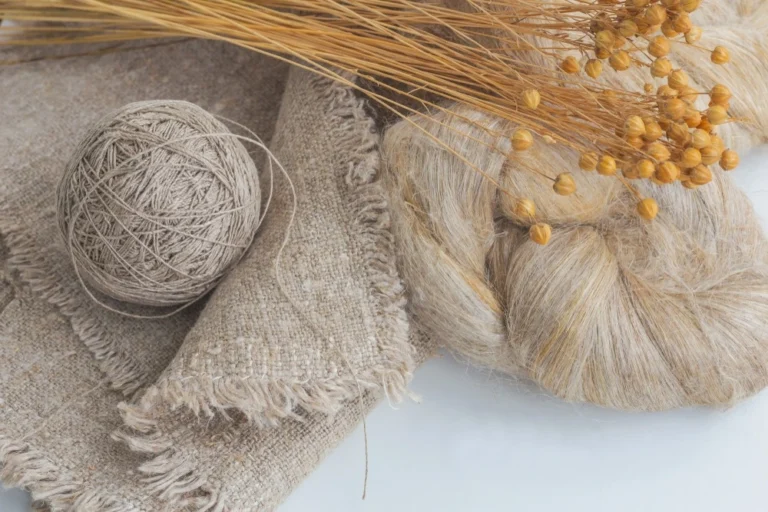
Once separated, the fibres are washed, combed and spun into yarn, which is then twisted or braided into rope. The twisting motion, or “laying”, is crucial – it determines the strength, flexibility and fraying resistance of the finished rope. Hemp rope is naturally light brown or beige but may be dyed for cosmetic or practical purposes.
What makes it special is that hemp grows very fast, consumes little water and can be cultivated without pesticides or artificial fertilisers – making hemp fibre rope not only robust but one of the most eco-friendly rope options available.
The historical significance of hemp rope
Hemp has been used for thousands of years. Some of the earliest known applications were made by the ancient peoples of Mesopotamia, Egypt and China, who recognised that hemp fibres were among the strongest available and used them for ropes in building, transport and agriculture.
Hemp rope in maritime history
During the Age of Exploration, hemp rope was the main material of every navy. Its popularity came from its strength and its resistance to saltwater and rot – for centuries it held shipbuilding, trade routes and maritime exploration together. Even today, some vintage sailing boats and fishing vessels prefer hemp for its nostalgic look and smooth handling.
Industrial revolution and decline
The industrial revolutions expanded the use of hemp once more, but with the entry of synthetic fibres in the 20th century, hemp ropes were largely substituted. With growing concern for the environment, however, the need for natural and biodegradable materials has caused a rebirth of hemp rope as an alternative to nylon.
Find out more: Hemp vs linen – a sustainable showdown in natural fabrics
Uncommon properties
The distinctiveness of hemp rope is inherited from the fibres themselves – qualities that set it apart from synthetic counterparts and most other natural ropes:
The diverse uses of hemp rope
The applications of hemp rope are as varied as its history. Thanks to its durability under load, UV resistance and natural friction, it has served for centuries – from nautical navigation to home décor.
1. Marine and nautical use
Hemp rope was the sailor’s best companion in the bygone era, used for anchoring, mooring and rigging because of its immunity to seawater. Traditional sailing vessels and fishing communities still rely on it today in harsh marine conditions.
2. Construction and heavy-duty tasks
In construction, hemp rope is used to hoist and bind materials and to secure scaffolding and temporary structures. Its excellent tensile strength lets it carry heavy loads without damage, making it well-suited to safety-critical roles at busy worksites.
3. Agriculture and farming
Farmers favour hemp fibre rope for holding crops in place, tethering livestock and bundling hay. It is mould-resistant, effective outdoors and keeps its suppleness even when reused.
4. Outdoor recreation
Climbers, campers and adventure-seekers love its grip and strength – for tying up tents, building shelters or creating rope ladders. Its natural, secure texture makes it safer and more comfortable than many man-made ropes, and it remains earth-friendly at end of life.
5. Home décor and crafting
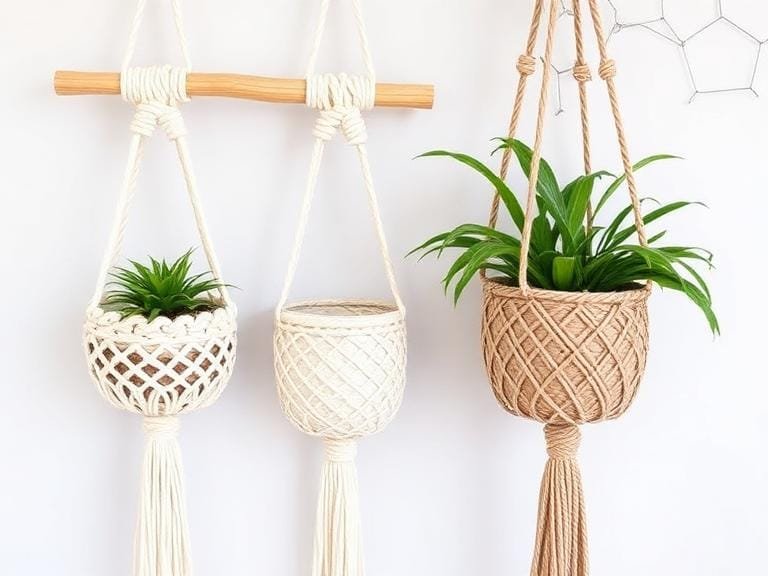
Interior designers and crafters use hemp rope for macramé, rustic furniture trim, curtain tiebacks, hammocks and nautical crafts. The natural appearance adds warmth, character and a vintage, earthy feel to a room.
6. Industrial applications
Hemp rope is used in industrial binding, lifting work, packaging, warehousing and safe transport. Explore our high-quality natural fibre products.
Ecological benefits of hemp rope
Its popularity today rests mainly on its ecological effect. Here is how hemp rope brings us closer to a more eco-friendly future:
- Carbon sequestration: hemp absorbs far more carbon dioxide than most crops, lowering greenhouse-gas levels and helping fight climate change.
- Minimal resource use: hemp grows quickly with less water and without chemical fertilisers or pesticides.
- Biodegradable: unlike synthetic ropes that cause microplastic pollution, hemp degrades without leaving toxic residues.
- Soil improvement: its deep roots condition the soil, preventing erosion and enriching subsequent crops.
- Alternative to petroleum-based products: a renewable option for industries replacing fossil-based materials.
Synthetic nylon and polyester ropes dominate the market on cost, but they carry real disadvantages: they are made from petroleum products, contribute to pollution and carbon emissions, release harmful microplastics into ecosystems as they degrade, and their slippery surfaces offer less grip and safety. The natural qualities of hemp make it the favourite of users who value sustainability as well as reliability.
Care for hemp rope
Hemp rope lasts long if kept in good condition. These tips maintain its strength and beauty:
- Storage: keep it in a cool, dry place away from direct sunlight, which causes unnecessary wear.
- Cleaning: if dirty, wash with mild soap and water – strong chemicals weaken the fibres.
- Drying: allow the rope to air-dry completely, as trapped moisture is where mould or mildew starts.
- Inspection: routinely inspect for fraying or weakening, especially after strenuous tasks.
Innovations and the future of hemp rope
The future looks bright as industries transform towards sustainability. Innovations in hemp processing keep enhancing its strength, flexibility and resistance to modern challenges – and hemp is increasingly used in renewable energy, sustainable construction and biodegradable packaging as a replacement for less sustainable materials.
Find out more: Hemp cord: 7 powerful reasons to love it for every project · 12 reasons to choose hemp shoes
Frequently asked questions about hemp rope
?Can hemp rope be used outdoors?
?Will hemp rope be able to support my heavy weight?
?How do I keep hemp rope?
?Is hemp rope pet and child-friendly?
?Can I dye hemp rope?
?What makes hemp rope different from jute or sisal?
Hemp rope stands for sustainability and resilience. By opting for it, you choose a high-performing material – and a greener, cleaner planet. Send us diameter, quantity and destination for a tailored offer.
The information on fibre length, retting and processing is based on El Nawawy’s own practice in cultivation and spinning since 1974. The textile testing standards mentioned are GOTS (Global Organic Textile Standard) and OEKO-TEX® – both are independent and can be verified with the respective certificate holder.
Price, quantity and delivery details are valid as of publication and are confirmed on request.