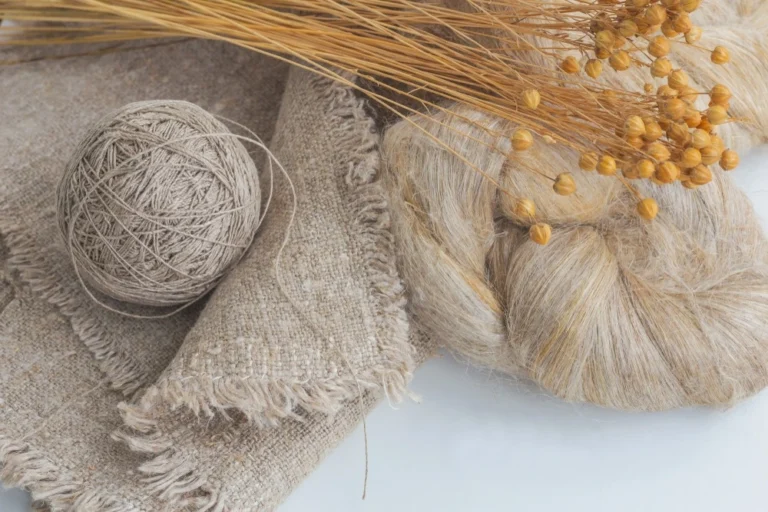
Natural linen yarn is a plant-based yarn made from flax fiber. Crafters usually choose it when they want a yarn that feels breathable, looks naturally refined, softens with use, and works beautifully in knitting, crochet, weaving, and lightweight handmade projects.
It behaves differently from springier yarns. Linen has lower elasticity, clearer stitch definition, and a drier hand feel, which makes it especially appealing for summer garments, table linens, openwork pieces, woven textiles, and projects that benefit from structure.
This guide explains what natural linen yarn is, why people use it, how to handle it well, and where it fits best when you are choosing yarn for craft or textile work.
What Is Natural Linen Yarn?
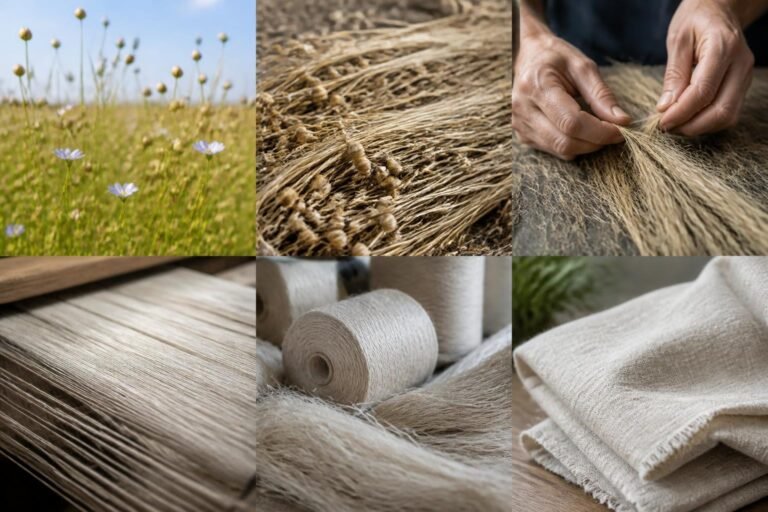
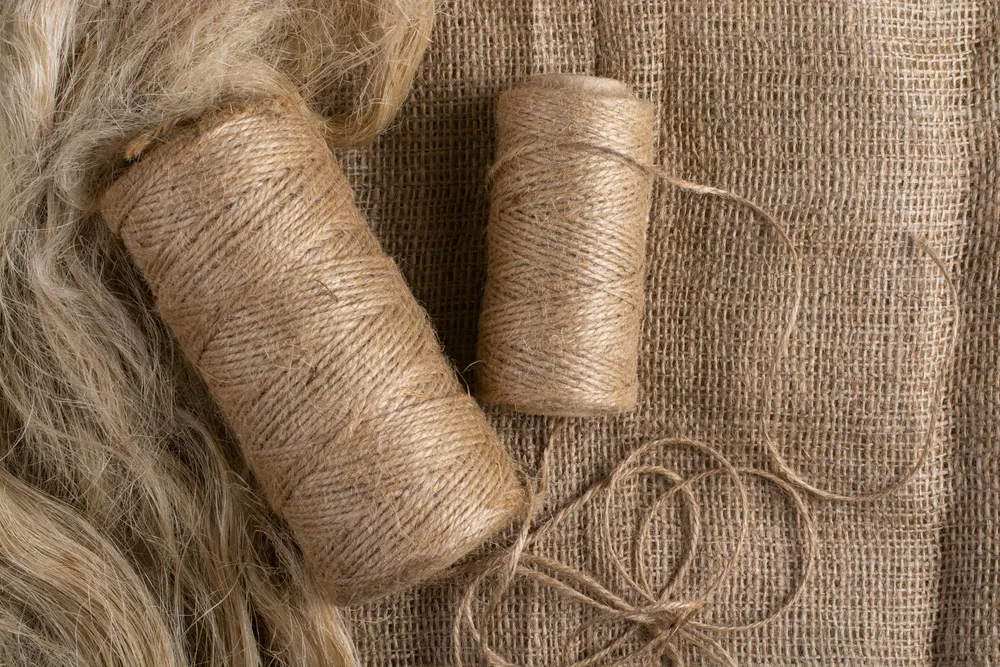
Natural linen yarn is made from the bast fiber of the flax plant. After flax is harvested and processed, the long fibers are cleaned, prepared, and spun into yarn. That origin is what gives linen yarn its distinctive strength, crisp hand, and elegant natural look.
Unlike woolier or stretchier yarns, linen does not try to puff up or bounce back in the same way. It tends to sit more cleanly in the hand and on the needle, which is why many crafters reach for it when they want drape, sharp stitch lines, and a more refined surface.
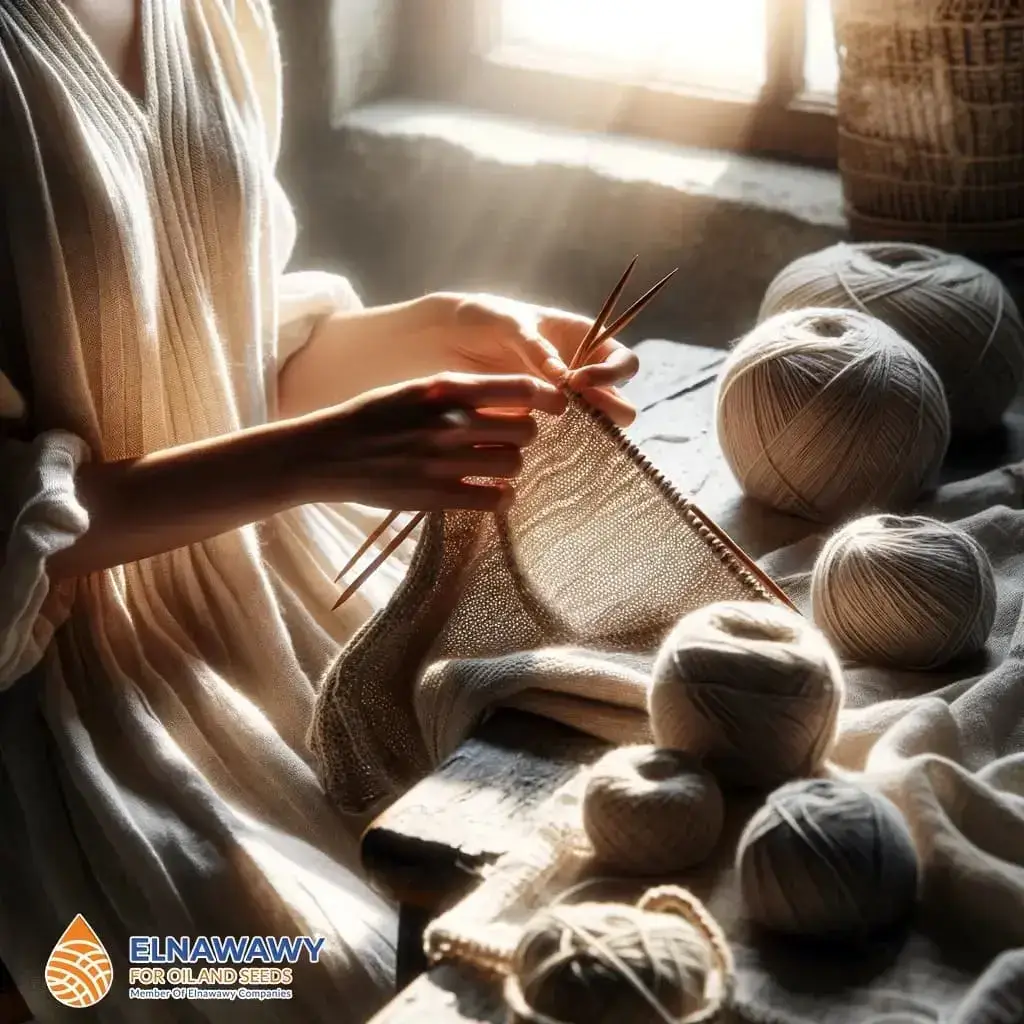
Key Properties of Natural Linen Yarn
People rarely choose linen yarn for only one reason. They usually choose it because several qualities come together in the same material.
Strength and Durability
Linen fiber is known for its strength. In finished projects, that can translate into good long-term wear and pieces that hold up well with use.
Clean, Defined Texture
Natural linen yarn usually gives stitches a neat, visible outline. That can make textured crochet and openwork details look especially crisp.
Breathable Feel
Linen is often chosen for lightweight garments and warm-weather pieces because it does not feel overly insulating.
Softens Over Time
Fresh linen yarn can feel firm at first, but many crafters enjoy how it relaxes and softens with washing, wear, and repeated handling.
Natural Appearance
Linen yarn has a quiet elegance. Its subtle sheen and plant-fiber texture make it a strong fit for minimalist, refined, or rustic craft aesthetics.
Low Elasticity
Linen does not behave like highly elastic yarns. That can be a benefit for structure and drape, but it also means tension and handling matter more.
Natural Linen Yarn for Knitting and Crochet
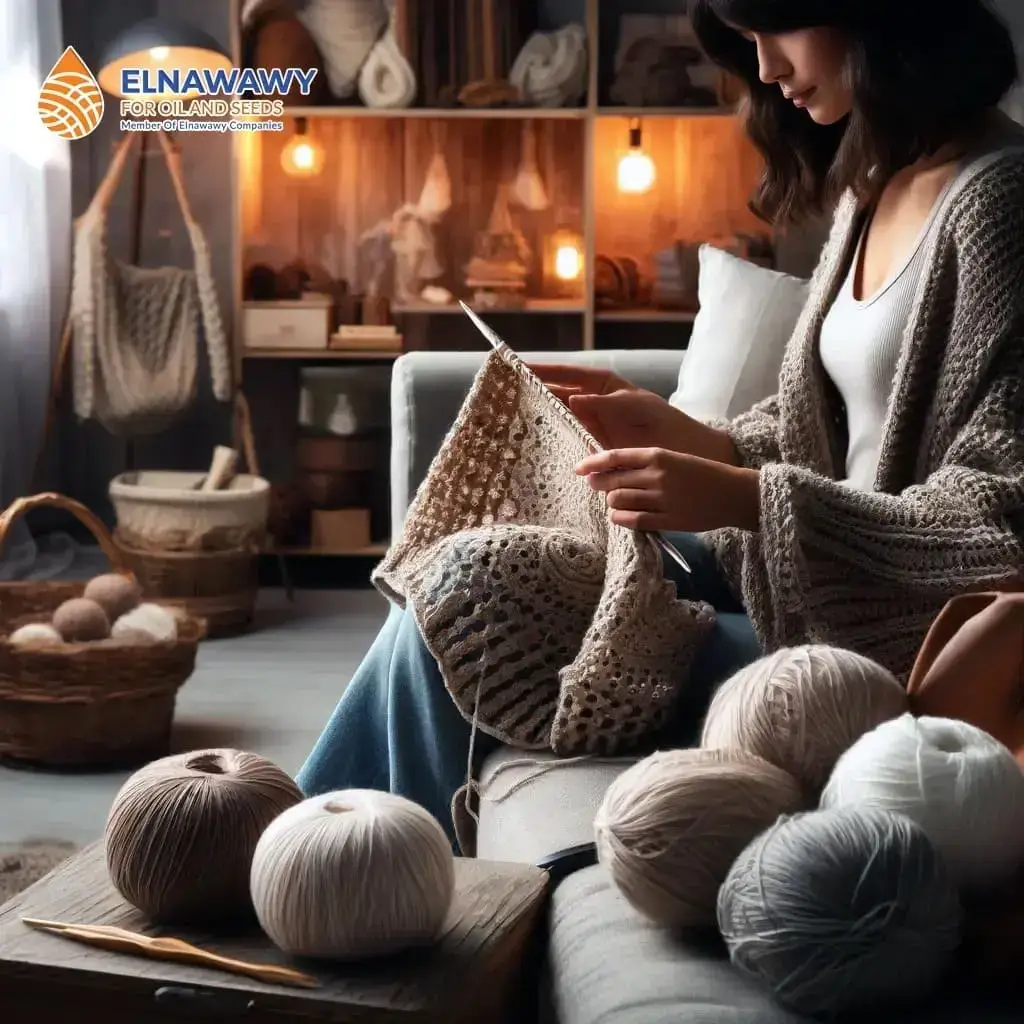
Natural linen yarn is a strong fit for makers who want summer tops, airy layers, shawls, accessories, table pieces, or decorative projects with a clean plant-fiber look.
For Knitting
Knitting with linen yarn can produce breathable garments with graceful drape. It works especially well when the goal is a lighter finished fabric rather than a plush one.
For Crochet
Crochet often shows linen yarn’s stitch clarity beautifully. Openwork patterns, summer accessories, placemats, market bags, and decorative home pieces can all benefit from that defined surface.
What to Expect in the Hand
Because linen has less stretch, it can feel firmer while working. Many makers find it easier once they let the yarn guide the motion instead of forcing tight tension.
Where It Shines Most
It is especially useful when you want structure, breathability, a natural look, and a finished piece that feels more polished than fuzzy.
Natural Linen Yarn for Weaving
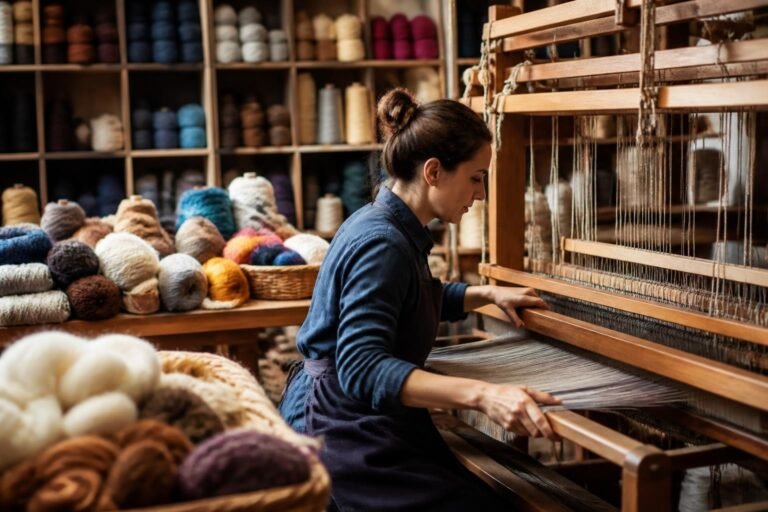
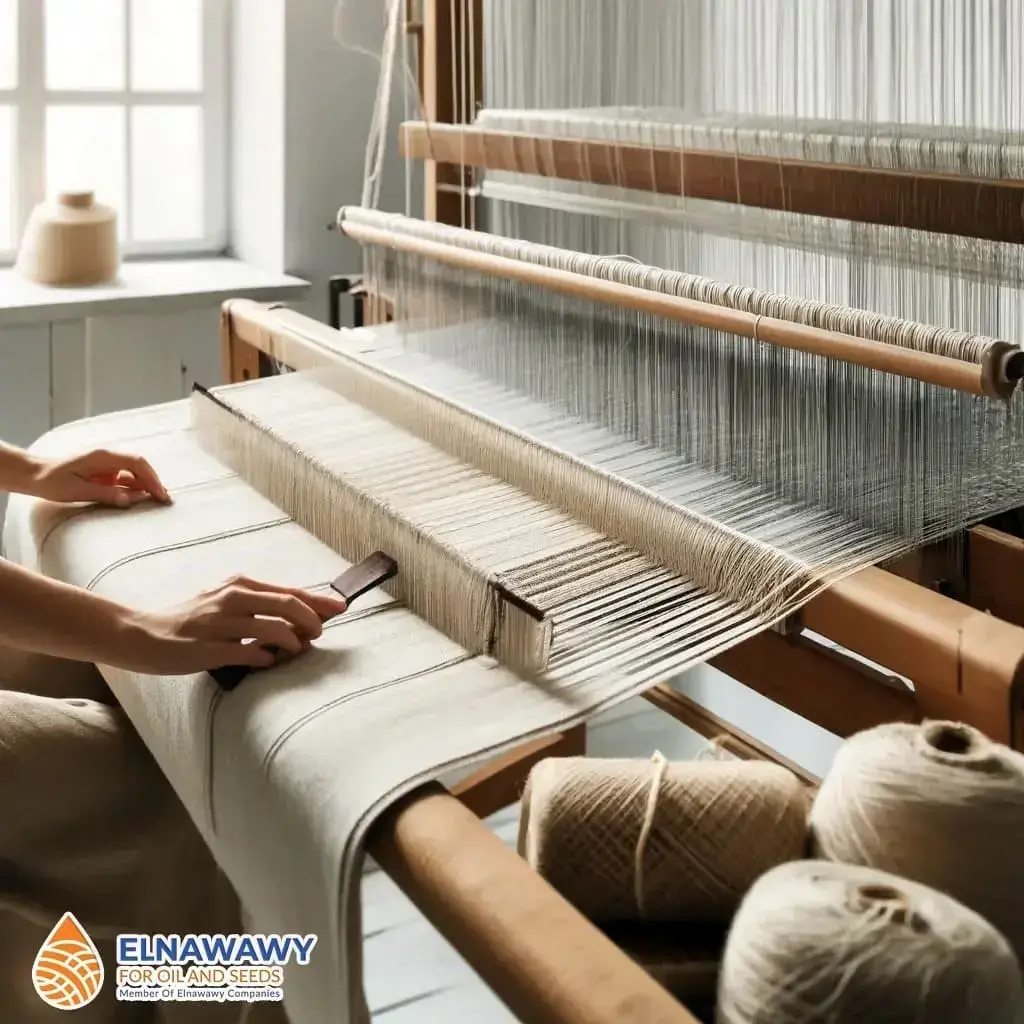
Weaving is one of the places where natural linen yarn can feel especially rewarding. Its strength, dry hand, and refined texture can support projects that need a crisp, lasting textile character.
Makers often use linen in table runners, napkins, wall hangings, decorative cloth, and other woven pieces where they want a plant-based material with visible texture and a clean finish.
Why Weavers Like It
Linen can bring depth and character to woven cloth. It often looks more interesting with age rather than less.
Best Project Types
It suits household textiles, decorative fabric, and structured woven work where a natural, crisp finish matters.
Caring for Natural Linen Yarn
Caring for linen yarn is less about overcomplication and more about gentle consistency. Good handling makes a visible difference in the final fabric.
Wash Gently
Finished pieces usually respond best to gentle washing, mild detergent, and lower agitation.
Let It Relax
Linen often improves after washing. Many projects feel softer and more settled once they have been cleaned and blocked.
Avoid Rough Heat
Extra heat and harsh handling can make any natural-fiber project age less gracefully, so a calmer routine is usually the better choice.
Store with Care
Keep finished projects clean and dry, and avoid crushing delicate handmade pieces under heavy storage weight.
Is Natural Linen Yarn Sustainable?
Many people are drawn to natural linen yarn because it comes from flax, a plant fiber with a long textile history and a strong natural-material identity. For makers who want to move away from more synthetic-feeling craft choices, linen often feels like a thoughtful step.
It also helps that linen yarn fits projects that age well. Durable, breathable, reusable handmade textiles often stay useful longer, which adds to the appeal of choosing a natural fiber in the first place.
Frequently Asked Questions
What is natural linen yarn made from?
Is natural linen yarn good for knitting?
Is natural linen yarn good for crochet?
Does linen yarn feel stiff at first?
Is natural linen yarn suitable for weaving?
What should I read next?
Need Help Choosing the Right Linen Yarn Route?
If you are comparing flax-based materials, exploring yarn options, or looking for a more product-focused next step, tell us what you are making and we can point you toward the most relevant page or product direction.