Yarns and Fabrics: Essential Guide for Industry Experts

The textile industry has evolved dramatically over the past five decades, yet the fundamental relationship between yarns and fabrics remains the cornerstone of textile manufacturing. Understanding this connection is essential for manufacturers, suppliers, and procurement professionals who demand quality, consistency, and performance in their textile products. From ancient Egyptian linen production to modern synthetic materials, the journey from fiber to finished fabric requires precision at every stage. This comprehensive guide examines the critical aspects of yarn production, fabric construction, and quality considerations that define excellence in the textile sector.

Understanding Yarn Structure and Classification

Yarns form the building blocks of all woven and knitted fabrics. The structure, composition, and processing methods used in yarn production directly influence the characteristics of the final textile product.

Single Yarns Versus Ply Yarns

The most fundamental distinction in yarn types separates single yarns from their more complex counterparts. Single yarns consist of fibers twisted together in one direction, creating a simple yet versatile structure suitable for many applications. Ply, cord, and novelty yarns offer enhanced strength and unique aesthetic properties through multiple twisting operations.

Key differences include:

  • Single yarns: one strand of twisted fibers, economical production, suitable for lightweight fabrics
  • Ply yarns: two or more single yarns twisted together, increased strength and durability
  • Cord yarns: multiple ply yarns combined, maximum strength for industrial applications
  • Novelty yarns: decorative variations with irregular thickness or texture

The choice between these structures depends on intended use, required strength, and desired appearance. Industrial applications typically favor ply or cord constructions, while decorative textiles may incorporate novelty elements.

Natural Fiber Yarns in Modern Production

Natural fiber yarns continue to dominate segments of the textile market where sustainability, breathability, and traditional craftsmanship matter most. Linen, hemp, and cotton each bring distinct properties to yarn production.

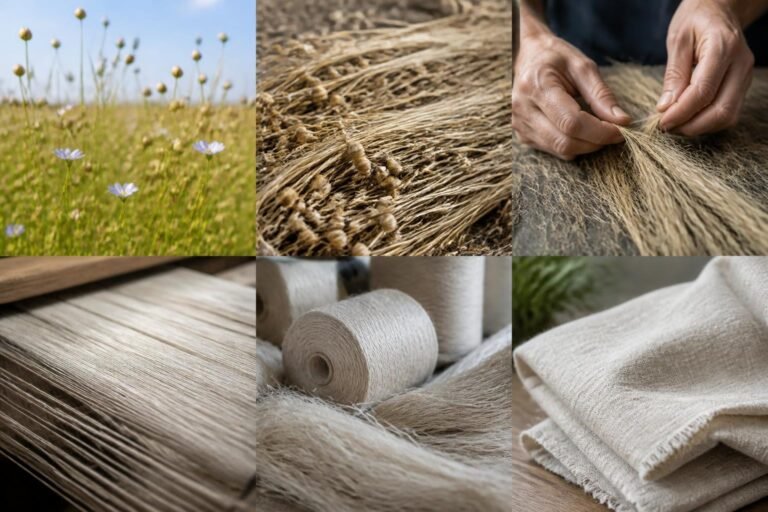
Wet spun linen yarn exemplifies the precision required in natural fiber processing. The wet spinning process smooths fibers and produces yarns with superior strength and luster compared to dry spinning methods. Hemp yarns offer exceptional durability and resistance to degradation, making them ideal for rope, twine, and industrial textile applications.

Cotton remains the most widely used natural fiber globally, valued for its softness, absorbency, and versatility. Each natural fiber requires specific processing techniques to maximize its inherent qualities while minimizing weaknesses.

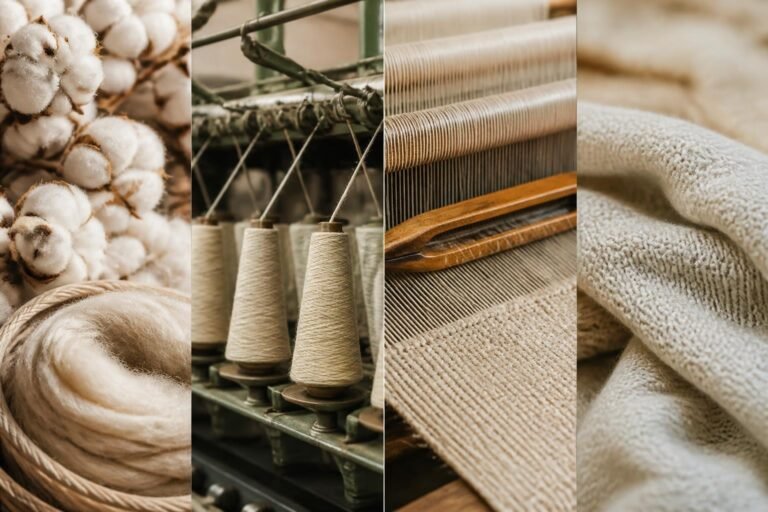
Natural fiber transformation process

Fiber TypeTensile StrengthMoisture AbsorptionPrimary Applications
LinenHigh12%Apparel, home textiles, specialty fabrics
HempVery High8%Industrial textiles, rope, sustainable fashion
CottonModerate8.5%Apparel, home goods, medical textiles
PolypropyleneModerate to HighNearly ZeroPackaging, agriculture, outdoor applications

Fabric Construction Techniques

The transformation of yarns into fabrics involves precise mechanical processes that determine the final textile's performance characteristics. The two primary methods are weaving and knitting, each producing distinctly different fabric structures.

Weaving Fundamentals and Fabric Properties

Weaving interlaces warp and weft yarns at right angles to create stable, dimensionally consistent fabrics. The warp yarns run lengthwise through the fabric under tension, while weft yarns pass over and under the warp threads in various patterns.

Basic weave structures include:

  1. Plain weave: weft passes over one warp, under the next, creating maximum intersections
  2. Twill weave: diagonal patterns formed by systematic offsetting of intersections
  3. Satin weave: long floats on the surface produce smooth, lustrous fabrics

The relationship between yarns and fabrics becomes especially evident in weave selection. Tighter weaves with frequent intersections produce firmer, more durable fabrics suitable for workwear and industrial applications. Looser weaves create softer, more drapeable textiles for apparel and decorative purposes.

Thread count, which measures the number of yarns per square inch, significantly impacts fabric quality. However, thread count alone does not determine quality; yarn size, fiber type, and finishing processes equally contribute to fabric performance.

Knitting Methods and Stretch Properties

Knitting creates fabrics by interlocking loops of yarn, producing textiles with inherent elasticity and dimensional flexibility. Unlike woven fabrics, knitted structures can stretch significantly in multiple directions while maintaining their integrity.

Weft knitting forms horizontal rows of loops, with each new row pulled through loops from the previous row. This method produces most everyday knitted fabrics, from t-shirts to sweaters. Warp knitting creates vertical columns of interlocking loops, generating fabrics with superior dimensional stability and run resistance.

The topology of knitted structures presents unique engineering challenges. Research into yarn-level fabric modeling demonstrates the complexity of predicting knitted fabric behavior based on yarn properties and knitting patterns.

Quality Standards and Specification

Professional textile procurement requires precise terminology and standardized testing methods to ensure consistency across suppliers and production runs. Industry standards provide the framework for quality assurance throughout the supply chain.

Terminology and Testing Protocols

Standardized yarn and fiber terminology ensures clear communication between manufacturers, suppliers, and end users. Specifications must address yarn count, twist level, tensile strength, elongation, and uniformity to fully characterize a product.

Testing protocols evaluate both yarn properties and finished fabric performance:

  • Yarn count accuracy: mass per unit length measurement
  • Twist per inch: rotational turns affecting strength and hand
  • Tensile strength: maximum force before breaking
  • Elongation at break: stretch before failure
  • Evenness testing: variation in yarn diameter

Fabric testing extends these measurements to include dimensional stability, colorfastness, abrasion resistance, and specific performance characteristics relevant to the intended application. Quality standards at manufacturing facilities establish benchmarks that protect both producers and consumers.

Quality testing parameters

Fiber Content and Blend Optimization

Pure fiber yarns deliver predictable properties based on the constituent fiber's characteristics. However, blended yarns combine multiple fiber types to achieve performance profiles impossible with single fibers alone.

Blend CompositionAdvantagesCommon Applications
Cotton/PolyesterDurability with comfortWorkwear, uniforms
Linen/CottonSoftness with structurePremium apparel
Wool/AcrylicWarmth with easy careOuterwear, blankets
Hemp/CottonStrength with softnessSustainable fashion

Blending ratios directly affect fabric behavior. A 65/35 polyester/cotton blend emphasizes durability and wrinkle resistance, while a 35/65 ratio prioritizes natural fiber comfort. Natural fiber blends require careful consideration of processing compatibility, as different fibers respond differently to dyeing, finishing, and care procedures.

Industrial Applications and Technical Textiles

Beyond apparel and home furnishings, yarns and fabrics serve critical functions in industrial, medical, and agricultural sectors. These technical applications demand specialized yarn constructions and fabric treatments.

Specialty Yarn Products for Industrial Use

Polypropylene raffia strings exemplify purpose-designed yarns for specific industrial applications. These synthetic yarns resist moisture, chemicals, and biological degradation while maintaining consistent strength across wide temperature ranges.

Industrial twine applications require precise balancing of multiple properties. Premium butchers twine must be food-safe, strong enough to secure large cuts, and resistant to moisture without imparting flavors or chemicals to food products.

Hemp sliver finds applications beyond traditional textiles. Plumbers’ hemp sliver provides reliable thread sealing in pipe fittings, leveraging hemp's natural fiber structure to create water-tight seals when combined with appropriate sealant compounds.

Industrial yarn requirements often include:

  • Specific tensile strength thresholds
  • Resistance to UV degradation
  • Chemical compatibility
  • Temperature stability
  • Biological inertness
  • Controlled elongation properties

Agricultural and Packaging Solutions

Agricultural textiles represent a growing segment where the relationship between yarns and fabrics directly impacts crop yields and supply chain efficiency. Polypropylene yarns woven into shade cloth, ground cover, and crop protection fabrics must withstand extended outdoor exposure while maintaining structural integrity.

Packaging applications demand yarns and fabrics that balance strength with cost efficiency. Woven polypropylene bags, commonly called FIBC (Flexible Intermediate Bulk Containers), rely on precisely engineered yarns to safely transport materials weighing up to two tons.

The modern textile industry continues advancing through innovations in fiber development, production efficiency, and quality control systems that ensure consistent product performance across global supply chains.

Sustainable Production and Traditional Craftsmanship

Environmental consciousness increasingly influences yarn and fabric selection across all market segments. Natural fibers offer renewable, biodegradable alternatives to petroleum-based synthetics when sourced and processed responsibly.

Egyptian Textile Heritage and Contemporary Production

Egypt's textile tradition spans millennia, with archaeological evidence of sophisticated linen production dating to ancient dynasties. This heritage continues through modern manufacturers who combine traditional knowledge with contemporary quality systems.

Traditional wet spinning techniques for linen yarn exemplify sustainable processing methods that maximize fiber quality without excessive chemical treatment. The process uses water to soften and align fibers during spinning, producing smooth, strong yarns with minimal environmental impact compared to chemical-intensive alternatives.

Classification systems for yarns acknowledge both staple and filament constructions, with natural fibers typically processed as staples due to their finite fiber lengths. This fundamental characteristic influences every subsequent processing decision.

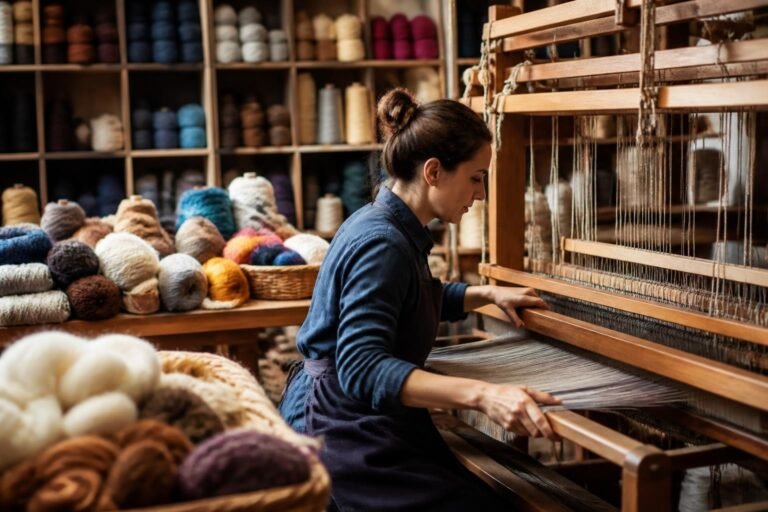
Sustainable yarn production

Regional Specialization and Supply Chain Transparency

Geographic specialization in fiber production and processing creates global supply networks where specific regions excel in particular yarn types. Egyptian linen, for instance, benefits from ideal growing conditions and generations of processing expertise.

Supply chain transparency has become essential for brands and manufacturers committed to sustainable sourcing. Complete traceability from field to finished fabric requires documentation at each processing stage, verifying fiber origin, processing methods, and labor practices.

Modern consumers and procurement professionals increasingly demand this transparency, recognizing that yarns and fabrics carry environmental and social footprints extending far beyond their physical properties. Manufacturers who document and communicate their practices gain competitive advantages in markets where sustainability drives purchasing decisions.

Advanced Material Science and Future Developments

Textile research continues exploring the fundamental physics and mechanics governing yarn and fabric behavior. Understanding these principles enables prediction and optimization of fabric performance before physical prototyping.

Computational Modeling of Textile Structures

Fine-grained physics models for fabrics examine yarn-level interactions that determine how fabrics drape, stretch, and respond to stress. These models help designers and engineers predict fabric behavior in specific applications, reducing development time and material waste.

The symmetry, topology, and mechanics of woven and knitted materials reveal complex relationships between yarn properties and resulting fabric characteristics. Small changes in yarn twist, tension during weaving, or finishing treatments can dramatically alter final fabric performance.

Emerging research areas include:

  • Biomimetic yarn structures inspired by natural materials
  • Smart textiles incorporating conductive yarns
  • Self-healing fabrics with embedded repair mechanisms
  • Phase-change materials for thermal regulation
  • Antimicrobial treatments integrated at the fiber level

Innovation in Natural and Synthetic Fiber Development

While synthetic fibers dominate by volume, innovations in natural fiber processing continue expanding their application range. Enzyme treatments, plasma modification, and nanotechnology surface treatments enhance natural fiber performance without compromising biodegradability.

Recycled and upcycled fibers represent another frontier where waste textiles are reprocessed into new yarns. Mechanical recycling cuts fabrics into short fibers suitable for spinning, while chemical recycling breaks materials down to molecular components for regeneration into virgin-quality fibers.

The relationship between yarns and fabrics will continue evolving as material science advances, yet fundamental principles of fiber selection, yarn construction, and fabric formation remain constant. Professional knowledge of these foundations enables informed decision-making regardless of specific materials or applications.

Procurement Considerations for Industrial Buyers

Organizations sourcing yarns and fabrics for manufacturing or resale must balance multiple factors including price, quality, delivery reliability, and supplier capability. Effective procurement strategies consider both immediate needs and long-term supply chain stability.

Supplier Evaluation and Partnership Development

Evaluating potential yarn and fabric suppliers requires assessment beyond quoted prices. Production capacity, quality control systems, technical support capabilities, and financial stability all impact supplier suitability for long-term partnerships.

Critical evaluation criteria include:

  1. Production capacity and scalability for volume changes
  2. Quality management certifications and testing capabilities
  3. Technical expertise and product development support
  4. Lead times and inventory management practices
  5. Communication responsiveness and problem resolution
  6. Sustainability practices and compliance documentation

Long-term supplier relationships often deliver better value than transactional purchasing approaches. Suppliers who understand customer requirements and application needs can recommend optimizations and alert buyers to potential issues before they impact production.

Specification Development and Sample Testing

Clear, comprehensive specifications prevent misunderstandings and quality disputes. Effective specifications define all critical parameters including fiber content, yarn count, twist direction and level, color matching standards, and acceptable variation ranges.

Sample testing before committing to production quantities protects against costly mistakes. Physical samples should undergo the same testing and application conditions as production materials will experience. For yarn products, this might include strength testing, knot performance evaluation, and compatibility verification with existing equipment.

Documentation of specification acceptance, test results, and approval processes creates accountability and provides reference standards for future orders. This systematized approach ensures consistency across multiple orders and production runs.


Understanding the intricate relationship between yarns and fabrics empowers textile professionals to make informed decisions that balance performance, cost, and sustainability. Whether sourcing natural fiber yarns for premium applications or synthetic materials for industrial use, knowledge of fiber properties, construction methods, and quality standards ensures optimal outcomes. El Nawawy For Oil & Seeds brings over five decades of expertise in premium yarn production, combining authentic Egyptian craftsmanship with modern quality systems to deliver linen, hemp, cotton twine, and polypropylene products that meet the demanding standards of global industrial and creative markets.


Article written using RankPill.

Related Articles

Get in touch now