Natural fiber guide
Difference between linen and flax is a common question because the two terms are often used as if they mean the same thing. They do not. Flax is the plant and the raw fiber source. Linen is the textile made after those fibers are retted, cleaned, combed, spun, and turned into yarn or fabric.
People usually search this topic when they want to understand labels, compare natural materials, or move from general research into more specific fiber and yarn pages. This article answers the question first, because the difference between linen and flax needs to be clear before a reader moves deeper into fiber or yarn pages.
For external reference, see Britannica on flax and Britannica on linen.
Quick overview
Difference Between Linen and Flax: Quick Answer
The difference between linen and flax is stage. Flax belongs to the crop and fiber stage. Linen belongs to the processed textile stage. In other words, flax is the source material, while linen is the refined result used in fabrics, threads, cords, and twines.
That distinction explains why searchers also use phrases like flax vs linen, linen vs flax, fabric made from flax, and are flax and linen the same. All of those questions point back to the same answer: one term refers to the plant and fiber source, the other refers to the finished textile.
What flax means
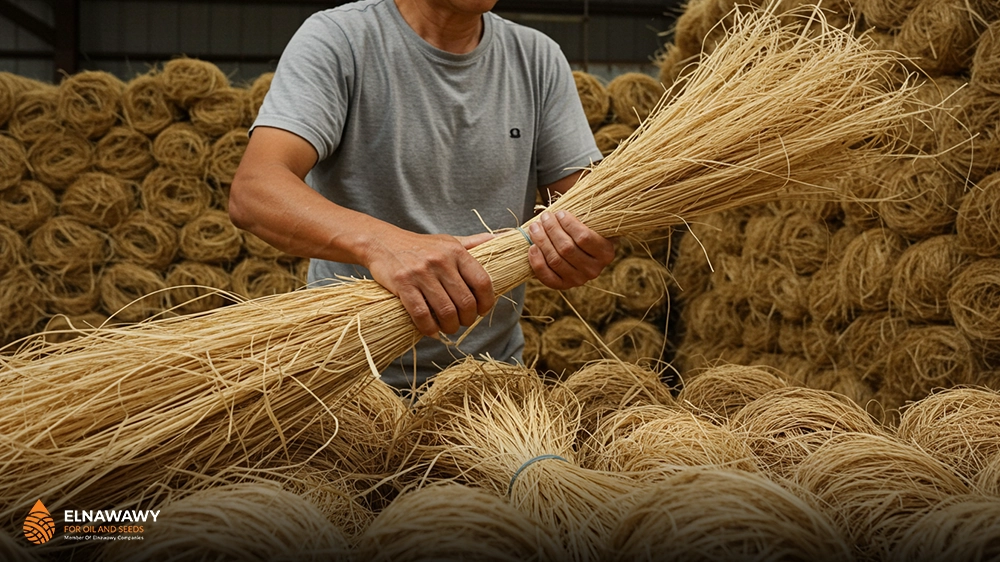
Flax is a bast-fiber crop, scientifically known as Linum usitatissimum. Its stalk contains the long fibers used in textile production, while its seeds are used in food and oil applications. When a page talks about raw stalks, line fiber, tow, or upstream natural-fiber input, it is usually talking about flax rather than linen.
For readers who want the material side first, Flax Fiber for Textile and Flax Fiber Raw Material are the most relevant next steps.
What linen means
Linen is the textile made from processed flax fibers. Once the fibers have been retted, broken, scutched, hackled, spun, and woven or twisted, they move into the linen stage. That is why linen appears in yarn, fabric, thread, and specialty product discussions.
If the goal is to move from raw material into textile performance, the most natural follow-up pages are Linen, Natural Linen Yarn, and Wet Spun Linen Yarn.
From plant to textile in 8 steps
The difference between linen and flax becomes much clearer when the process is visible.
Cultivation
Flax is grown with attention to stem quality and fiber length.
Harvesting
The crop is usually pulled rather than cut so the fibers stay long.
Retting
Moisture loosens the natural binders around the fiber.
Drying
The stalks are prepared for the next mechanical stages.
Breaking
The woody core is fractured so the useful fiber can be separated.
Scutching
Broken shive and woody fragments are cleaned away.
Hackling
The fibers are combed, aligned, and refined for spinning.
Spinning and forming
The processed fibers become linen yarn, thread, twine, or fabric.
This is where the difference between linen and flax stops being abstract. Flax exists before the textile process is complete. Linen exists after that process has shaped the fibers into a usable product. For a deeper manufacturing explanation, see What Is the Spinning Process?.
Why this distinction matters
The difference between linen and flax matters because readers do not always arrive with the same intent. Some want a basic definition. Others want to understand production. Others are already comparing materials for knitting, weaving, packaging, or food-contact twine.
It also matters for internal linking and product education. A comparison article should explain the material journey, while commercial pages should go deeper into specs, applications, and supply options. That is why this page should bridge naturally into related resources such as flax fiber for textile, linen vs cotton, and linen butcher’s kitchen twine without trying to rank for those product or comparison intents itself.
Visual explanation and quality notes
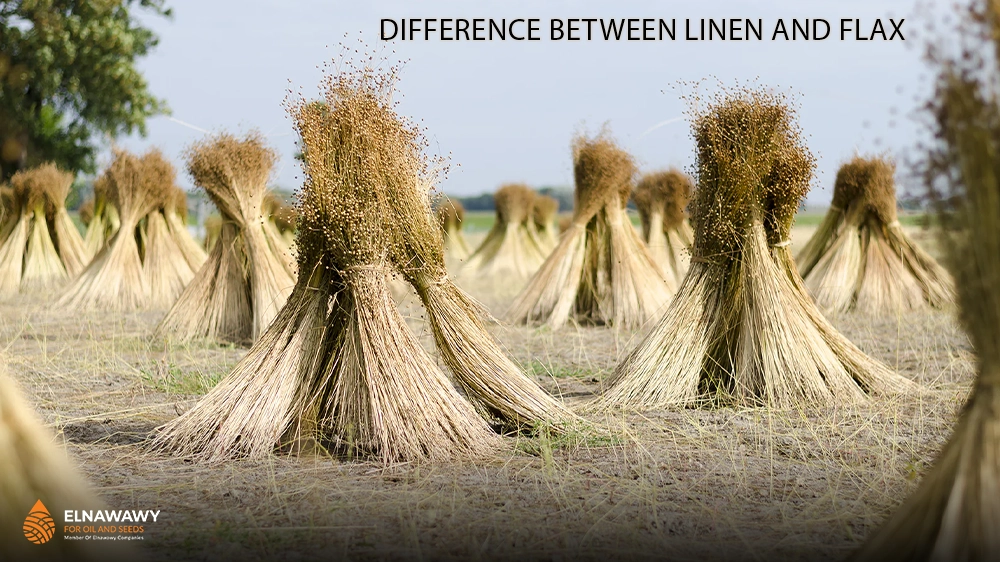
A quick visual rule helps: if the material still looks like agricultural fiber, it is flax. If it is already a spun, woven, or twisted textile product, it is linen. Process quality then shapes performance. Fiber length, retting control, cleaning, combing, and spinning all affect the final handle, strength, and consistency of the linen.
That is also why the difference between linen and flax matters in buying conversations. One word points to upstream raw material. The other points to a finished textile with its own performance expectations.
Related reading
Readers who begin with the difference between linen and flax usually move next into one of four directions: raw flax material, linen yarn, textile processing, or another material comparison. These are the cleanest next clicks in the same cluster.
Frequently asked questions
Most FAQ searches still circle back to the same core point: the difference between linen and flax is the difference between source material and finished textile.
Is linen made of flax?
Yes. Linen is made from fibers taken from the flax plant.
Are flax and linen the same?
Not exactly. They are closely related, but flax is the source plant and linen is the finished textile.
What fabric is made from flax?
Linen is the best-known fabric made from flax fibers.
Why do people mix the two terms?
Because both belong to the same material chain, and everyday language often collapses the raw source and the finished textile into one idea.
Ready for the next step?
Now that the difference between linen and flax is clear, the next step depends on need: raw fiber, spun yarn, finished textile, or direct contact with the team. In short, the difference between linen and flax is the difference between source and finished textile.