Weaving Shops for Better Material Choices
Weaving shops can shape the success of a fabric before the first thread reaches the loom. The right supplier helps you choose yarns and fibers that behave well, repeat consistently, and suit the final textile.
Whether you weave by hand, run a small workshop, or buy for production, the safest choice starts with material behavior — not only color, softness, or price. Reliable weaving shops make this decision more predictable because they connect material choice with real fabric performance.
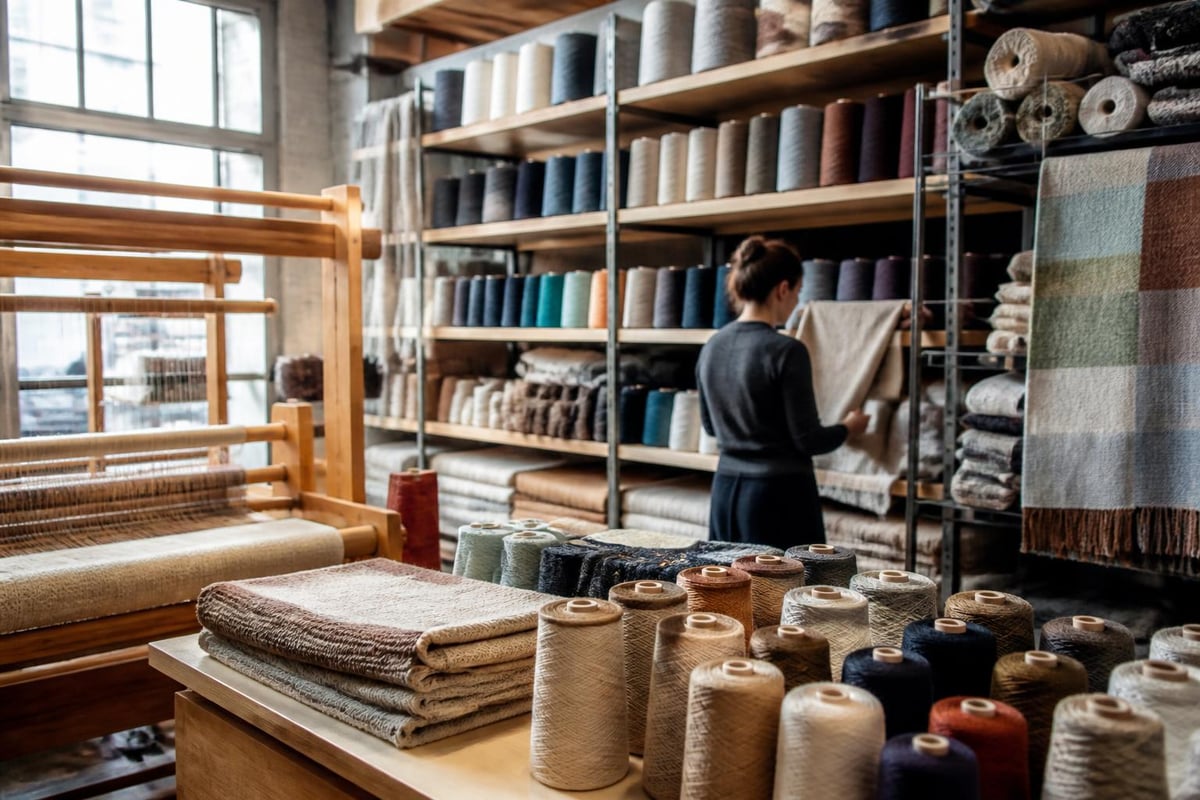
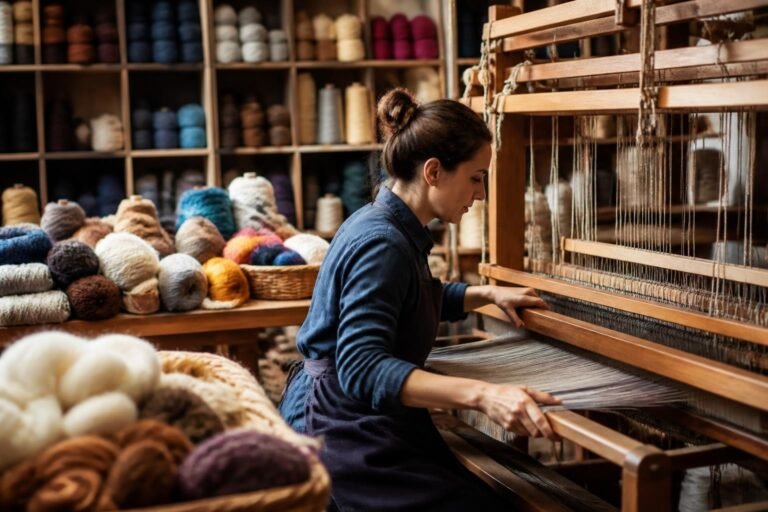
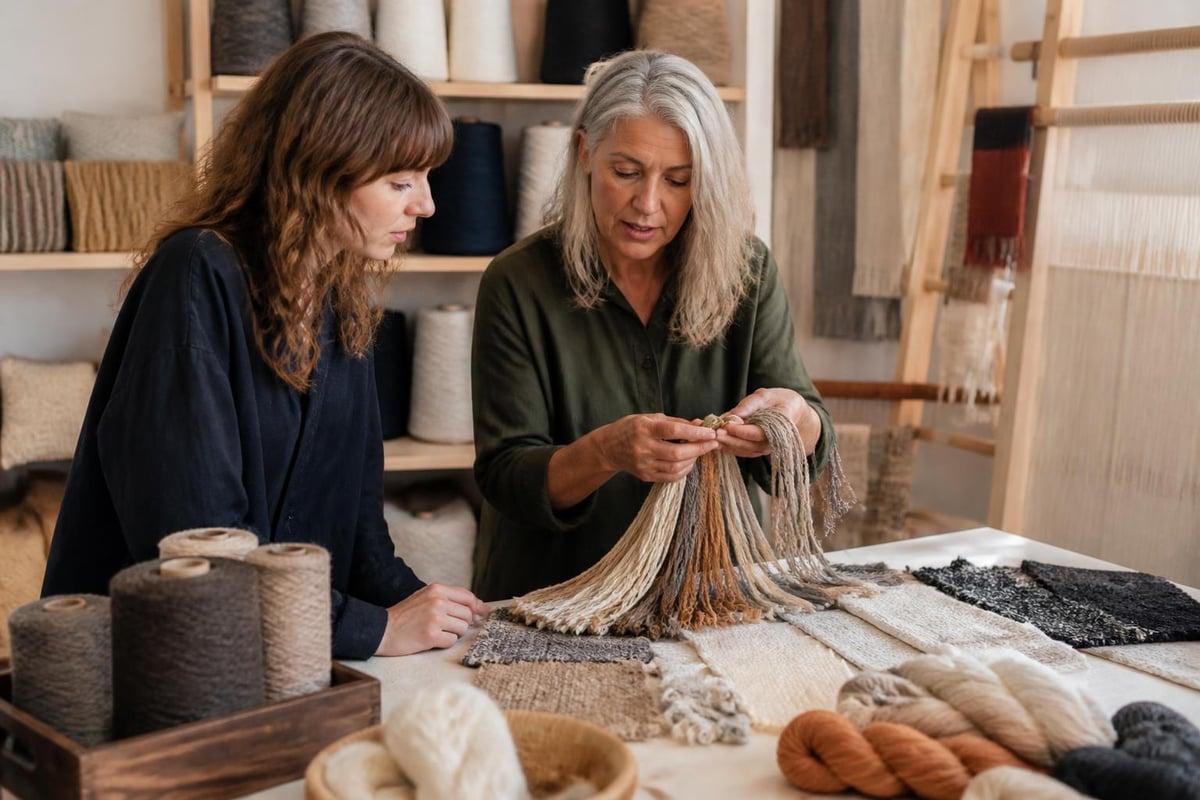
Good weaving shops do more than place yarn on a shelf. They help buyers understand fiber behavior, yarn count, twist, strength, packing, availability, and the difference between a beautiful sample and a material that can be repeated safely in real work.
For a small studio, weaving shops may help identify a linen yarn that holds tension cleanly. For a textile manufacturer, they may support a stable supply of natural fibers or yarn products with the same feel, count, and quality from one order to the next.
El Nawawy works from the production side of this decision. Our product range includes wet-spun linen yarn, flax fiber raw material, and broader yarn products, so this guide focuses on practical material selection rather than generic craft advice.
Why Weaving Shops Matter Before Production Starts
They reduce material risk
The wrong yarn can break, stretch, shed, shrink, or change the hand of a fabric. Useful weaving shops help buyers narrow the choice before money is spent on the wrong material.
They explain practical differences
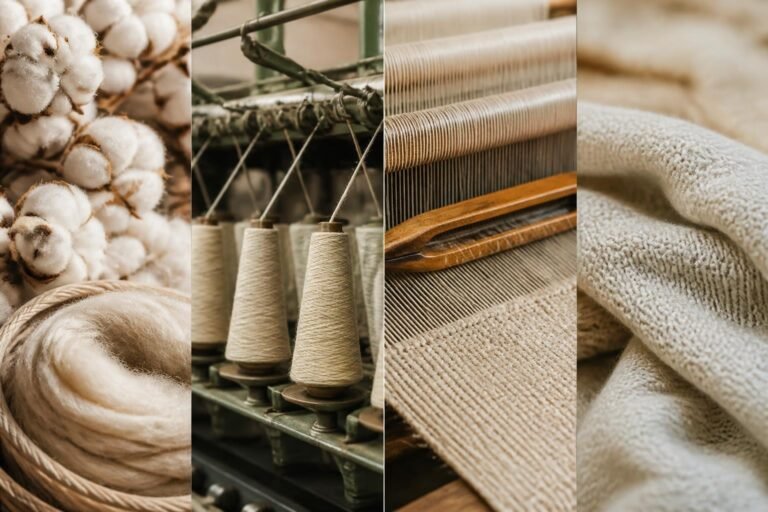
Linen, cotton, hemp, wool, and polypropylene do not behave the same way. A strong supplier can explain where each material works well and where it may disappoint.
They support repeat orders
For commercial buyers, the second order matters as much as the first. Consistency in count, color, packing, and supply timing protects the buyer’s own customer relationships.
Important buying point: a supplier may look attractive because it has many materials, but the stronger test is whether it can explain which material is right for your fabric, your loom, and your order size.
Materials Commonly Found in Professional Weaving Shops
In professional weaving shops, most material decisions begin with a simple question: what must the finished textile do? A decorative wall hanging, table linen, upholstery fabric, apparel fabric, packaging textile, and outdoor material each require a different balance of strength, softness, weight, color, and durability.
Linen and flax
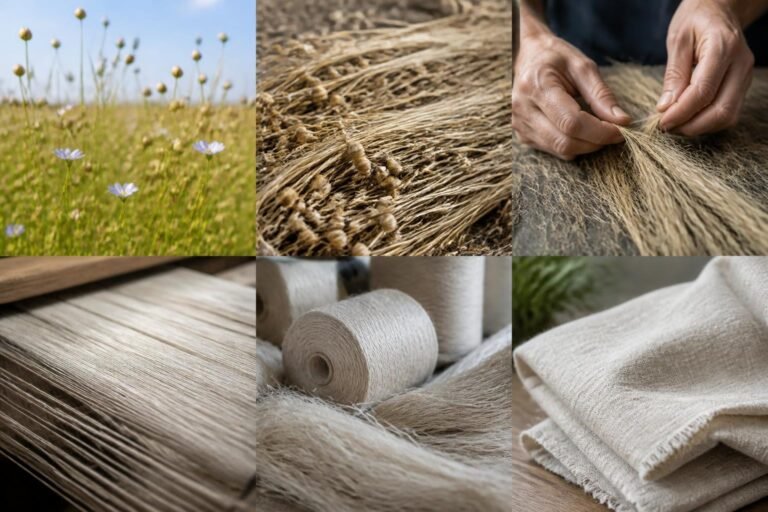
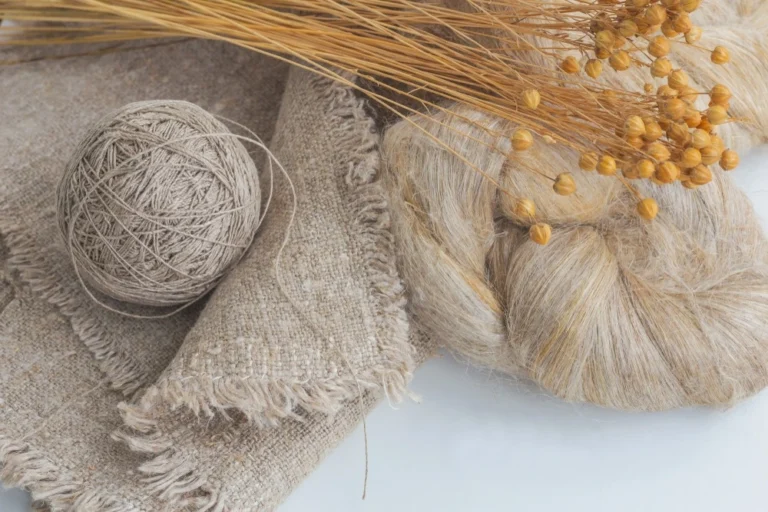
Linen and flax are valued for strength, natural luster, breathability, and a crisp handle. They are suitable for premium home textiles, upholstery, apparel, and decorative fabrics. If the terminology feels confusing, this guide on the difference between linen and flax helps clarify the language used in sourcing.
Cotton
Cotton is soft, familiar, and versatile. It works well for many garment, towel, household textile, and craft applications where comfort and easy handling matter.
Hemp
Hemp brings durability and a rustic natural surface. It can be attractive for textured designs, cords, industrial-inspired fabrics, and buyers who want a stronger natural-fiber character.
Polypropylene and blends
Polypropylene and selected blends can be useful when buyers need moisture resistance, lower cost, light weight, or industrial performance. See El Nawawy’s polypropylene raffia strings and the related article on polypropylene raffia twine.
Find the Right Weaving Material
Select your use case and get a practical direction:
How to Choose a Reliable Weaving Supplier
The best weaving shops begin with the final fabric. Will it be washed often, pulled under tension, exposed outdoors, dyed, softened, brushed, or used in contact with skin? Once the end use is clear, the supplier can recommend a safer material path.
Start with the fabric: define the end use before asking for price. The right yarn depends on the work it must perform.
Request a sample: touch alone is not enough. The yarn should be tested on your loom or production setup.
Ask for repeatability: a good first shipment is not enough if the second order changes without explanation.
Check the technical language: ask about count, twist, packing, lead time, and suitable use.
Keep an approved reference: save a sample from the approved lot to compare future orders.
Buyers comparing natural yarns can continue with natural linen yarn for material character and flax yarn for a broader sourcing perspective. If you want to understand why yarn structure matters, read what the spinning process means.
Small Buyers and Wholesale Production Needs
For industrial buyers, weaving shops must do more than respond quickly. They should help protect the buyer from production stops, quality disputes, inconsistent lots, and unclear material substitutions.
Small buyers: 20–100 kg
Small trial quantities help shops, workshops, designers, artisans, and small factories test feel, handling, customer response, and practical suitability before scaling.
- Small trial orders accepted
- DHL, FedEx, or air cargo options
- Door-to-door shipping possible where available
- Material guidance before larger orders
Wholesale buyers: 500 kg+
Larger orders test the supplier’s production discipline, packing control, documentation, and communication across repeat shipments.
- LCL and full-container export options
- Wholesale pricing discussion
- Private label or custom packing available
- Samples and specifications before bulk order
Buyers who need company-level assurance can review El Nawawy’s quality philosophy and certifications.
Quality Checks That Matter in Weaving Materials
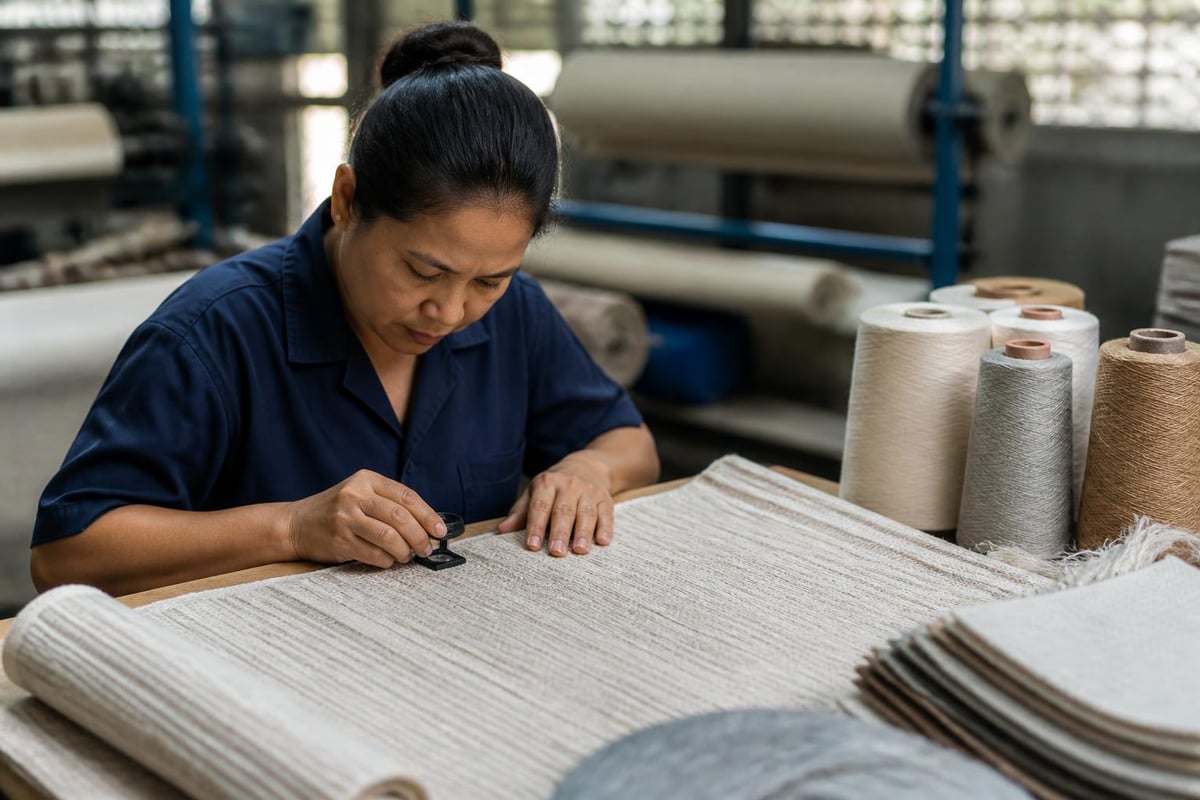
Quality problems in weaving often appear late. This is why professional weaving shops should help buyers look beyond the cone. A yarn may look acceptable at first, then show its weakness during warping, tensioning, weaving, finishing, washing, or customer use.
Yarn count or size
Controls fabric weight, density, coverage, and hand feel. Ask for count, tolerance, and a reference sample.
Twist consistency
Affects strength, abrasion, drape, and behavior under tension. Test the yarn on the intended loom or process.
Tensile behavior
Critical for warp yarns and demanding production work. Breakage during tensioning is a warning sign.
Cleanliness and packing
Influence machine behavior, surface appearance, storage, and buyer confidence after delivery.
For broader textile context, Britannica’s weaving overview explains woven structure, while the V&A tapestry guide gives useful historical and material context.
Compare Fibers
Linen vs cotton: linen is stronger and crisper; cotton is softer and more familiar for general comfort. Deep dive: linen vs cotton.
Global Sourcing with a Practical Buyer’s Eye
Textile materials often move through several countries before they become finished fabric. Fibers may be grown in one place, processed in another, spun elsewhere, then woven and finished in a final market.
The safest weaving shops make that chain easier to understand. They explain what they sell, what they make directly, what they can repeat, and which product is best for each buyer type.
Buyers who want to understand El Nawawy’s background can visit About El Nawawy Company. For a complete product overview, start from our products.
Questions People Ask About Weaving Shops
What do weaving shops usually sell?
Weaving shops usually sell yarns, fibers, loom accessories, shuttles, reeds, heddles, warping tools, pattern resources, and sometimes finished textile supplies. More professional weaving shops may also provide technical specifications, samples, wholesale quantities, and export support.
How do I choose yarn for weaving?
Start with the finished fabric. Consider whether the yarn will be used as warp or weft, how much tension it must handle, how the fabric will be washed, and whether the final piece needs softness, structure, strength, or a natural textured look.
Is linen yarn good for weaving?
Yes, linen yarn is valued for strength, natural luster, absorbency, and long service life. It is often used in table linen, upholstery, apparel fabrics, home textiles, and decorative woven pieces where a premium natural character is important.
Can small buyers order weaving materials internationally?
Yes. Small buyers can often start with trial quantities before moving to larger orders. Air shipment may be suitable for shops, designers, artisans, workshops, and small factories that want to test material quality before committing to wholesale volume.
What should manufacturers ask before a bulk yarn order?
Manufacturers should ask for specifications, sample approval, packing method, lead time, repeat availability, export documentation, and the supplier’s process for keeping future batches consistent with the approved sample.
Request Yarn or Fiber Specifications
El Nawawy For Oil & Seeds supports textile buyers with natural fibers, yarn products, product guidance, export packing, and long-term supply capability.
For bulk orders, custom specifications, samples, or export inquiries, contact El Nawawy today.