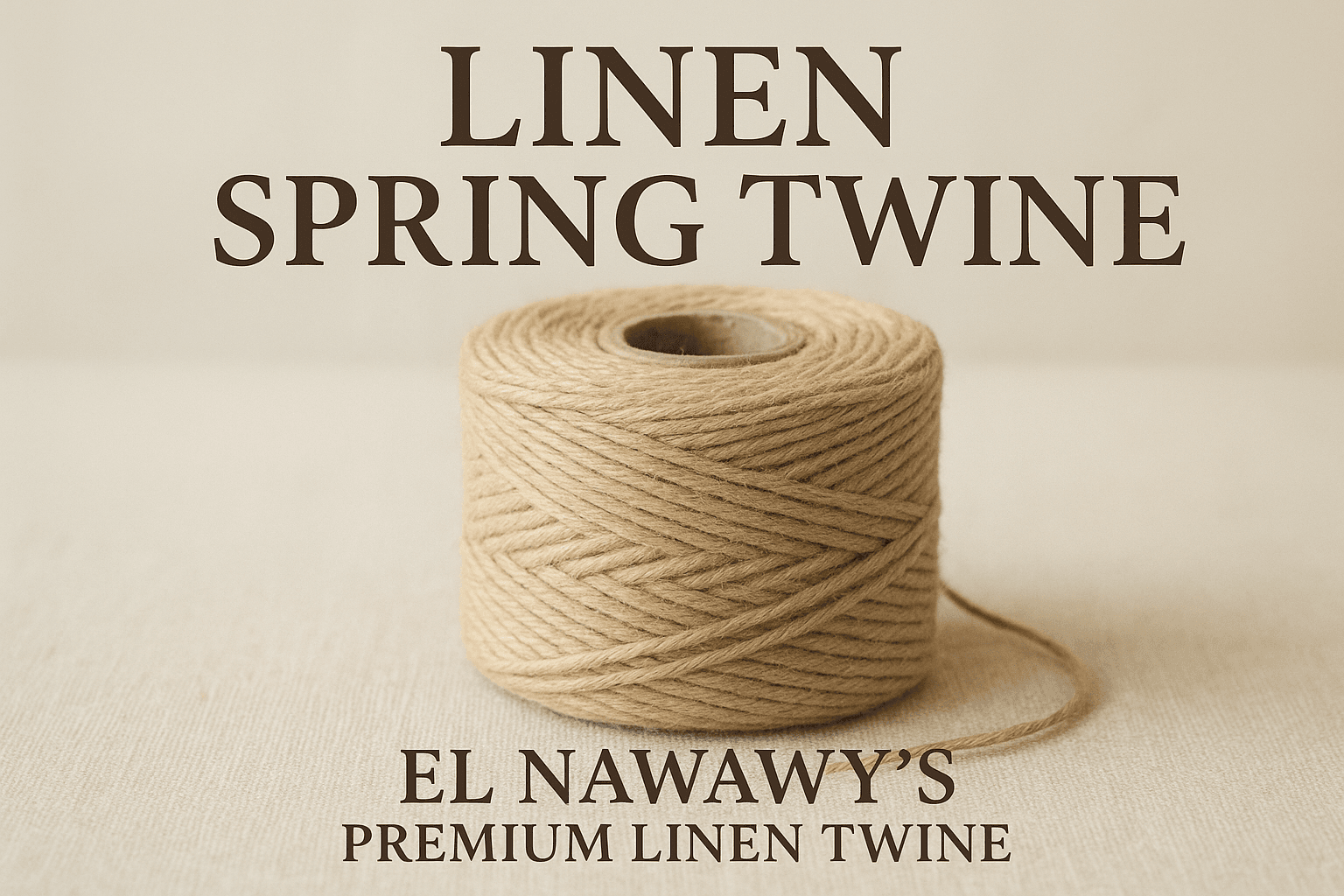
Linen Spring Twine
When it comes to upholstery conservation and DIY restoration, the tying material you choose directly affects long-term seat stability. El Nawawy’s linen spring twine is designed for clean knot hold, controlled tension, and workshop-friendly handling—making it a premium alternative to Italian ruby twine.
This guide explains practical differences between linen and ruby twines, why natural fibers often outperform synthetics in upholstery tying, and how to choose the right thickness based on your spring unit and working method. If you’re restoring antique chairs, tying eight-way hand-tied springs, or preparing workshop supplies, you’ll find a clear answer here.
On this page
Why Linen Spring Twine Linen vs Italian Ruby Twine Why Not Synthetic Twine Top Uses How to Choose Thickness FAQ Order & ContactWhy Upholstery Pros Choose Linen
Linen twine is made from flax fiber—known for strong, long fibers that perform well under tension. In upholstery, your twine isn’t decorative; it becomes part of the structure. During spring tying, you apply repeated pulling and knotting across multiple anchor points. A good twine must resist abrasion, settle into knots cleanly, and keep consistent tension after the job is done.
Knot hold: Helps reduce slipping and keeps tying patterns stable.
Cleaner tying: Lower fuzz and fraying for a premium finish.
Better handling: Smooth pull and controlled tensioning.
Eco advantage: Natural and biodegradable for sustainable workshops.
Many restorers also prefer linen because it “feels predictable” while working—especially for traditional patterns like eight-way hand tying. That predictability reduces rework, improves speed, and results in a seat that feels firm and evenly supported.
Linen Twine vs Italian Ruby Twine
Italian ruby twine is common in upholstery, but linen spring twine often wins for durability and cleaner tying. If you want fewer re-ties, better stability, and a more premium finish, linen is usually the stronger option.
| Aspect | Linen Spring Twine | Italian Ruby Twine |
|---|---|---|
| Material | Flax fiber (linen), often wax-treated for smoother handling. | Often jute-based; typically rougher texture. |
| Strength & Durability | Strong knot grip, stable under tension, less fraying. | More prone to fraying and wear over time. |
| Versatility | Spring tying, restoration, crafts, packaging, workshop tasks. | Mainly furniture assembly and reupholstery. |
| Aesthetics | Cleaner, premium look and neater finish. | More rustic; usually natural only. |
Why Not Synthetic Twine?
Synthetic twines can work for some general tying, but upholstery often rewards natural fibers. Workshop handling, knot behavior, and long-term stability can be better with linen because it grips and settles into knots naturally.
Environmental impact: Many synthetics are petroleum-based and non-biodegradable.
Behavior changes: Some synthetics react differently under heat, UV, or moisture.
Grip and feel: Natural twines often provide better friction for tying patterns.
Professional finish: Linen tends to look cleaner in restoration and premium craft work.
Top Uses of Linen Spring Twine
Upholstery: spring tying, edge support, button tufting.
Restoration: conservation work needing stable tension.
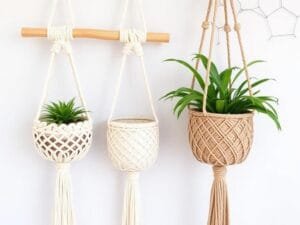
Crafts: macramé, wrapping, décor, handmade projects.
Gardening: plant support and bundling.
Packaging: premium eco-friendly wrapping for samples.
Workshop use: organizing materials and tying tasks.
For bulk buying, the key is consistency: the same feel, strength, and finish across batches—especially if multiple upholsterers in your workshop rely on the same twine behavior for repeatable results.
How to Choose the Right Thickness
Choose thickness based on spring gauge, seat load, and your tying method. Thicker twine can feel more confident for heavy-duty seating, while a slightly finer twine may be easier to control for detailed tying patterns. If you are uncertain, start with a mid-range option and test knot hold on a sample spring unit before committing to a full workshop order.
Tip: Send us a WhatsApp message with your project type and preferred tying method and we’ll guide you to the best option for your use case.
Frequently Asked Questions
Is linen spring twine stronger than Italian ruby twine?
In many upholstery use cases, linen offers strong knot hold and long-term durability with less fraying.
Can linen twine be used outdoors?
Yes for many outdoor tying tasks. Store it dry when not in use for best lifespan.
Is linen twine eco-friendly?
Linen is a natural, biodegradable fiber and is widely used in sustainable projects.
How do I store linen spring twine?
Keep it in a cool, dry place away from moisture to maintain strength and handling quality.
Order Linen Spring Twine
For bulk orders, custom packaging, or specifications, contact us today. We can recommend the best linen twine option for your upholstery method and production requirements.