Hemp Yarn: A Complete Guide to Quality, Uses, and Benefits
Hemp yarn has become one of the most sought-after natural fibers in recent years thanks to its durability, sustainability, and versatility. Whether you’re working in textiles, crafts, packaging, or industrial manufacturing, hemp yarn provides an eco-friendly and long-lasting solution that outperforms many traditional materials. This guide explores everything you need to know about hemp yarn — from how it’s made to why it’s ideal for modern production.What Is Hemp Yarn?
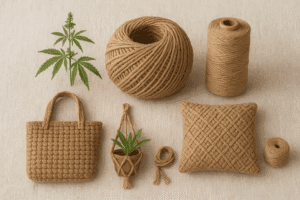
Hemp yarn is a natural fiber spun from the stalks of the hemp plant. It is known for its strength, resistance to stretching, and long-lasting performance. As a plant-based fiber, it offers a perfect combination of softness and structure, making it suitable for both delicate crafts and heavy-duty industrial applications.Main characteristics of hemp yarn:
- High tensile strength
- Natural resistance to mold and bacteria
- Breathable and moisture-wicking
- Biodegradable and sustainable
- Suitable for industrial and craft use
How Hemp Yarn Is Made
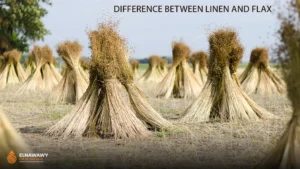
Hemp yarn is produced through a multi-stage process designed to maintain the fiber’s natural strength while improving softness and usability.Harvesting the Hemp Plant
The stalks are collected at peak maturity to ensure strong fibers.Retting the Fibers
A natural or water-based method is used to separate fibers from the woody core.Fiber Processing
The fibers are combed, cleaned, and aligned for consistent spinning quality.Spinning into Yarn
The fibers are twisted into strong, uniform threads ready for industrial or craft use.
Top Applications of Hemp Yarn
Textiles and Clothing
Soft, breathable, and hypoallergenic — ideal for garments, towels, and upholstery.Crafts and DIY Projects
Perfect for macramé, crochet, weaving, jewelry, and handcrafted décor.Industrial Packaging
Strong enough for tying, wrapping, and eco-friendly packaging solutions.Agricultural Use
Biodegradable support for plants, trellises, and horticultural structures.Benefits of Using Hemp Yarn
- Durability: Stronger than cotton and many synthetic fibers.
- Eco-Friendly: Requires minimal water and no pesticides.
- Moisture Resistant: Naturally antibacterial and mold-resistant.
- Comfortable: Breathable and softens with repeated use.
- Temperature Regulating: Cool in summer, warm in winter.
How to Choose High-Quality Hemp Yarn
Fiber Purity
Select yarn made from clean, chemical-free hemp fibers.Tensile Strength
Required for industrial applications that demand superior durability.Softness
Craft and textile users often prefer pre-softened or blended versions.Eco Certification
Ensures sustainable farming and environmentally responsible processing.Frequently Asked Questions
Is hemp yarn good for clothing?
Yes, hemp yarn is excellent for clothing because it is breathable, hypoallergenic, and becomes softer with every wash.
Is hemp yarn environmentally friendly?
Absolutely. Hemp requires very little water, grows quickly, and enriches the soil. It is one of the most sustainable fibers available.
Where is hemp yarn commonly used?
Hemp yarn is used in macramé, packaging, textile production, ropes, furniture upholstery, and eco-friendly product manufacturing.